Battery storage key to Great Britain’s winter energy supply security

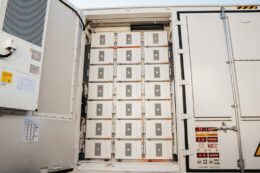
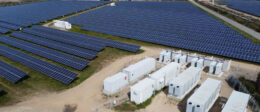
BESS will play a key role in ensuring the lights stay on across Great Britain over winter 2025/2026. System operator NESO’s 2025/26 Winter Outlook forecasts electricity margin of 6.1 GW for the period, the highest since 2019/20 and equivalent to 10% of average peak demand.
NESO’s Winter Outlook 2025/26 presents the grid operator’s view of electricity security of supply for the coming winter. The latest report has found operational margins are 900 MW greater than the previous year, equivalent to roughly three gas power stations. This extra capacity is the result of new electricity generation from BESS connecting to Great Britain’s national and regional electricity networks, alongside greater gas and interconnector capacity, according to the system operator.
Despite improvements to margin, NESO has warned some tighter periods for generation remain possible over the winter months. When the system operator is faced with these situations, standard tools include issuing notices to the market instructing generators to increase output. Capacity market notices and electricity market notices represent the “lowest level of warning” from NESO’s control room.
BESS is a key technology in Great Britain’s capacity market, securing capacity agreements in auctions dating back to 2015. The UK government is consulting on changes to the rules governing its capacity market auctions in a bid to secure stability of supply as the generation mix increasingly relies on intermittent renewable sources.
In a press release accompanying the Winter Outlook report, Deborah Petterson, director of resilience and emergency management at NESO, said it is critical the system operator continues to work with the wider energy industry to prepare for winter, “to build on this foundation and maintain our world leading track record of reliability.”
NESO’s full Winter Outlook report is available from the energy system operator’s website.
Written by





Popular Posts