California adopts battery storage safety legislation following Moss Landing fire

Governor Gavin Newsom has signed Senate Bill 283, authored by Senator John Laird, introducing new safety requirements for the development of battery energy storage systems (BESS) in California. While the bill enhances oversight and safety, it is also expected to increase the cost of battery storage development in the state.
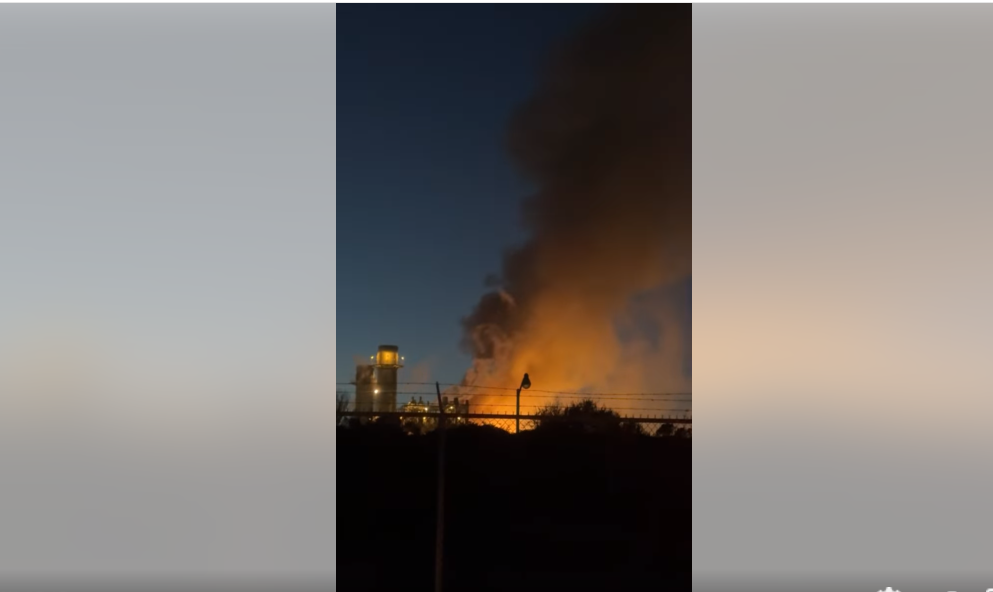
The legislation, co-sponsored by the California Professional Firefighters and the California State Association of Electrical Workers, is aimed at strengthening coordination with fire authorities and preventing safety incidents. It is introduced in the aftermath of a major fire at the Moss Landing battery storage facility in Monterey County.
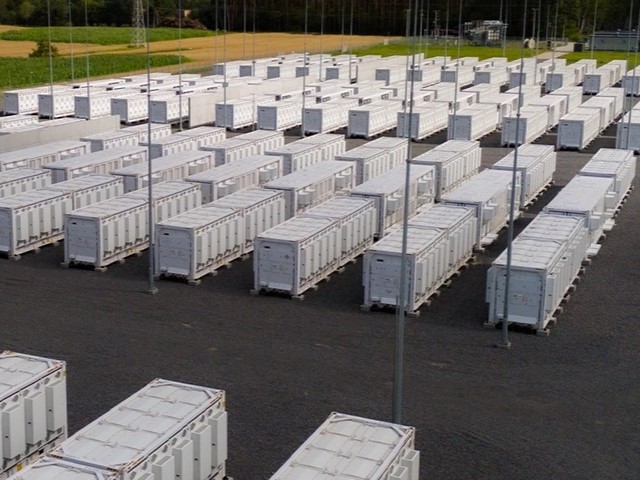
The site, part of the Vistra Power Plant, is the largest operational battery project in the United States.. The fire at a 300 MW lithium-ion storage system triggered the evacuation of more than 1,200 residents and led to the temporary closure of surrounding roads. While all on-site personnel were safely evacuated and no injuries were reported, the event raised significant concerns about the safety of large-scale energy storage facilities.
“California must prioritize safety at every step when expanding battery storage to meet its clean energy goals,” said Senator Laird. “SB 283 ensures that future battery storage facilities are developed with safety and the community in mind, and that our fire officials are involved in every step along the way. I thank Governor Newsom for signing this bill to protect first responders, local communities, and the integrity of our renewable energy transition.”
Under SB 283, battery storage developers will be required to meet with the local fire authority at least 30 days prior to submitting an application for a new project. This consultation must cover key safety aspects, including facility design, risk assessments, and emergency response planning, in alignment with requirements under SB 38. In addition, developers will be required to arrange and pay for a post-installation inspection of the facility by the local fire authority before the system is allowed to begin operation.
The bill also directs the state to review building standards related to battery storage. As part of the next update to the California Building Standards Code after July 1, 2026, the Office of the State Fire Marshal will be required to evaluate and potentially propose siting restrictions. This may include limiting installations to dedicated-use, noncombustible buildings or outdoor locations to reduce fire risk.
Initially, SB 283 included a provision requiring battery storage projects to comply with the National Fire Protection Association’s NFPA 855 standards. However, this requirement was removed from the final bill after the Office of the State Fire Marshal independently adopted the latest NFPA 855 standards in March 2025. These standards are scheduled to take effect on January 1, 2026, making further legislation on the matter unnecessary.
“Senate Bill 283 is a critical step forward in protecting both our firefighters and the communities they serve,” said Brian K. Rice, president of the California Professional Firefighters. “By strengthening safety standards for battery storage facilities and ensuring local fire authorities have a seat at the table through the meet-and-confer process, this law puts responsibility where it belongs — on the owners and operators of these facilities — and helps prevent disasters before they start.”
Senate Bill 283 will go into effect on January 1, 2026.
Written by



Popular Posts