Romania’s Hidroelectrica to install battery storage at its hydro power plants

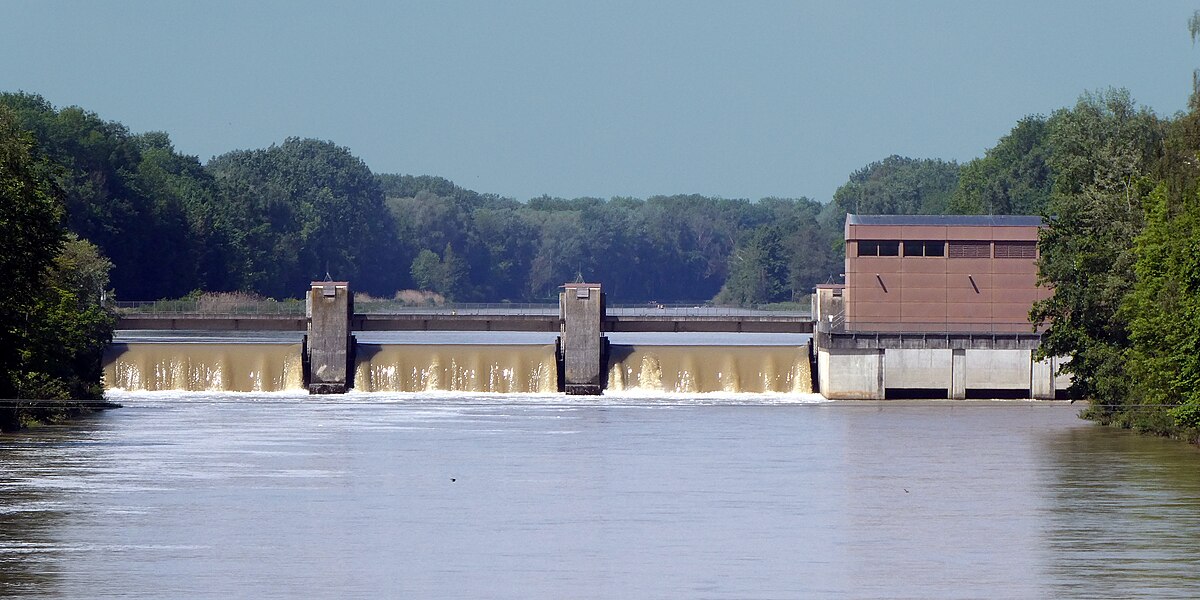
Romania’s Hidroelectrica plans to install energy storage systems across all its run-of-river hydropower plants to shift surplus daytime electricity to evening peak demand periods.
The announcement was made by Bogdan Nicolae Badea, president of the board of directors at Hidroelectrica, who emphasized the critical role energy storage must play in balancing Romania’s power system and improving outcomes for consumers.
“Today, Romania’s energy system is unbalanced. We’ve seen the exit of many baseload capacities, and even in a free market impacted by external crises, electricity costs for consumers could have been lower if the country had adequate storage infrastructure,” said Badea, noting that energy storage is essential to synchronizing production peaks with consumption peaks.
Unlike impoundment hydropower plants, which feature large reservoirs behind dams and can store significant amounts of water for controlled release, run-of-river hydro plants offer only limited dispatchability and are highly dependent on real-time river flow. Their electricity output is inherently variable and influenced by both seasonal patterns and short-term fluctuations in river discharge.
“Currently, we see 7 to 8 time slots in a single day with very low — or even negative — electricity prices, while other intervals experience excessively high prices,” said Badea. “The key is to shift the surplus energy from those low-price periods to the evening peak. This is where storage comes in. That’s why we plan to implement storage systems across all of our operational run-of-river hydropower plants.”
In April 2025, Hidroelectrica announced a €16 million investment in a 36 MW/72 MWh battery energy storage project at the Crucea Nord Wind Farm. The project will be delievred by a consortium of two Romanian companies, Prime Batteries Technology and Enevo Group.
Additionally, the utility plans to install a 64 MW/ 256 MWh battery storage project at Porțile de Fier II (Iron Gates II) on the Danube – Romania’s second-largest hydropower plant. Estimated at €61.2 million, the project will be used for balancing services and hydro production optimization within the national electricity system.
Hidroelectrica is the largest green energy producer in Romania. It operates 188 hydropower plants with a total installed capacity of 6.4 GW, along with the 108 MW Crucea wind farm. The utility also plans to add rooftop solar PV systems at some of its hydropower facilities as part of its broader renewable strategy.
Romania is one of Europe’s rising energy storage markets, with its fleet projected to grow to around 2,200 MW by the end of next year.
Written by




Popular Posts