Indian state launches 500 MWh battery storage tender

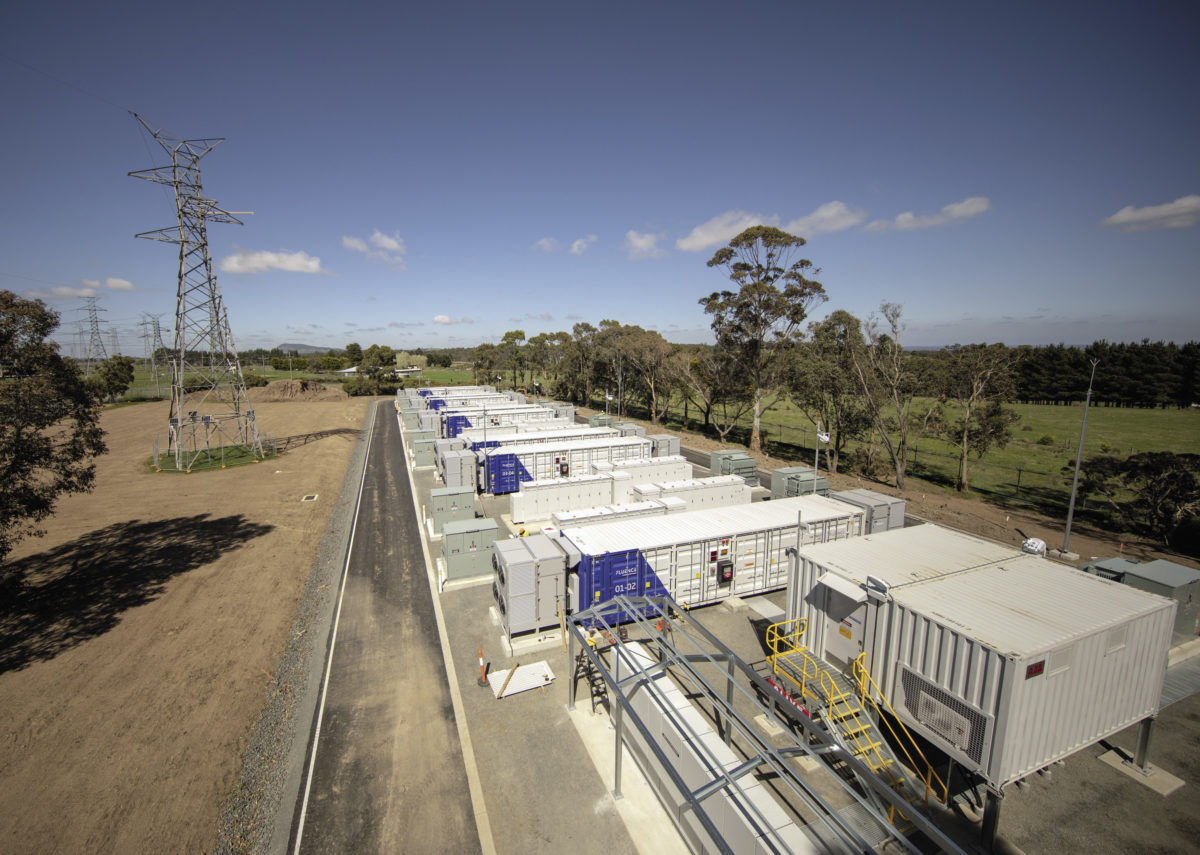
NTPC Vidyut Vyapar Nigam Ltd (NVVN), appointed as the authorised representative by Kerala State Electricity Board Ltd (KSEBL), has invited bids for the development of 500 MWh (250 MW x 2 hours) of standalone battery energy storage systems (BESS) in Kerala for on-demand usage by KSEBL.
The selected developers will set up the BESS connected to the state grid on a build-own-operate (BOO) basis and provide energy storage services as per KSEBL’s requirements during peak and off-peak hours. The BESS must be capable of single-cycle charging/discharging operations, with provisions for occasional dual cycles per day, subject to an annual limit of 400 cycles.
These projects are eligible for central financial assistance under the Viability Gap Funding (VGF) scheme.
The selection of BESS developers for a total capacity of 250 MW / 500 MWh will be carried out through an e-bidding process followed by an e-Reverse Auction. The minimum bid size is 500 MWh (250 MW x 2 hours). For the 250 MW / 500 MWh project, approximately 9 acres of land will be allotted to the selected developer (BESSD).
KSEBL will enter into a battery energy storage purchase agreement (BESPA) with the successful bidders to procure energy storage services. Charging power will be provided by KSEBL.
The bidder is required to design the BESS to meet the performance specifications under the BESPA. The BESS must support charging and discharging at a C-rate of 0.5, and it must be capable of operating at variable capacities, starting from 20 MW / 40 MWh and scaling smoothly up to the full rated capacity of 250 MW/500 MWh, as specified in the agreement.
From pv magazine India
Written by