NextStar’s Canadian battery plant shifts gears to stationary storage

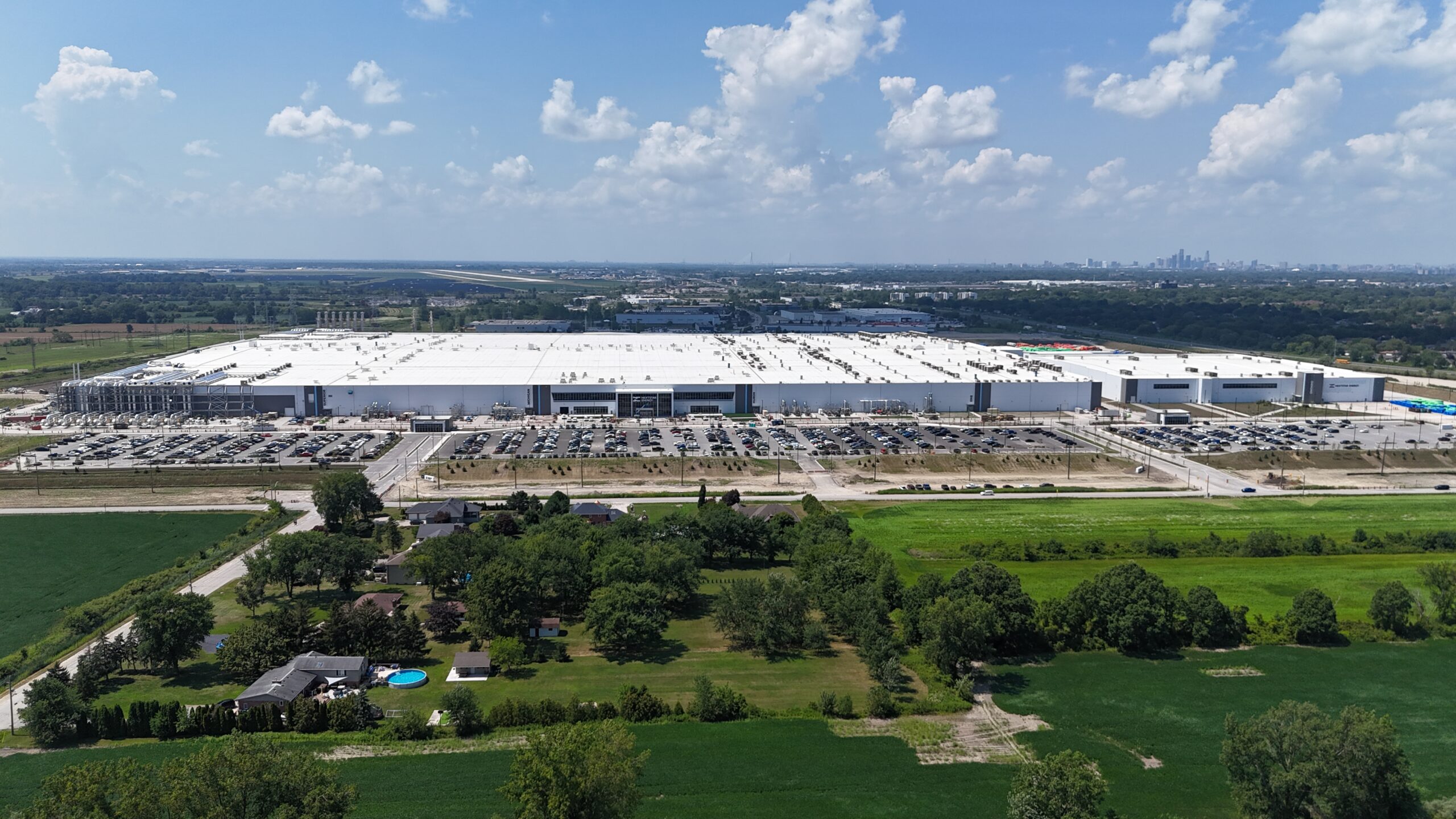
Canada’s most prominent recent entry into large-scale battery manufacturing is entirely redirecting its early output toward grid-scale storage. The NextStar Energy facility in Windsor, located across the border from Detroit in the US, established as a joint venture between LG Energy Solution and Stellantis, has announced that it will begin manufacturing lithium-ion cells for battery energy storage systems (BESS) and ESS applications this month, despite the heritage and original plans to supply electric vehicles (EVs).
According to the company, the shift, starting with commercial production of the facility expected for December 2025, involves adding a lithium iron phosphate (LFP) chemistry line alongside the previously announced nickel manganese cobalt (NMC) line the plant was built for.
Yet the plant will only manufacture LFP cells for stationary storage, not EVs, for now, though the plant can produce both once EV demand is deemed sufficient again.
The move plays into the healthy growth for ESS in the total battery market, with local manufacture in North America also potentially being able to claim domestic-content incentives. But the move can’t help but expose a slowdown in EV sales. Even in the past week, the Wall Street Journal reported that Ford executives are considering scrapping the electric version of the F-150 pickup truck, a much hyped vehicle dubbed the Lightning, after pausing production of the truck in October.
Bright side: ESS
“NextStar Energy’s expansion into energy storage reflects the company’s ability to respond and adapt to changing markets,” said Danies Lee, CEO of NextStar. “By adding to our portfolio, we are not only demonstrating our resilience and flexibility as a company, but also our commitment to sustainable innovation, and a lasting footprint here in Windsor.”
The exact annual capacity of the LFP cell line dedicated to ESS has not been publicly disclosed, but the Windsor plant was aimed at a nameplate capacity of approximately 49.5 GWh per annum. Details around further manufacture, assembly and system integration of BESS beyond the cell level will be handled remains to be seen (modules, racks, thermal systems, BMS, etc).
The Windsor site marks LG Energy Solution’s second LFP production hub in North America, following the launch of its nearby Michigan plant in June, in the city of Holland, said at that stage to feature a long-cell, pouch-type design that ‘delivers exceptional energy efficiency and safety while maintaining a highly competitive cost structure’.
The company aims to grow its ESS capacity in North America to ‘over 30 GWh’ by the end of 2026. Earlier, it said it had so far hired more than 1,000 workers for the Windsor plant as it ramps up and moves away from the original production, where it made battery modules using lithium-ion cells imported from LG’s plant in Poland.
Written by



Popular Posts