Sungrow: Brazil tops 500 MWh of distributed battery storage, 650 MWh more expected in 2026

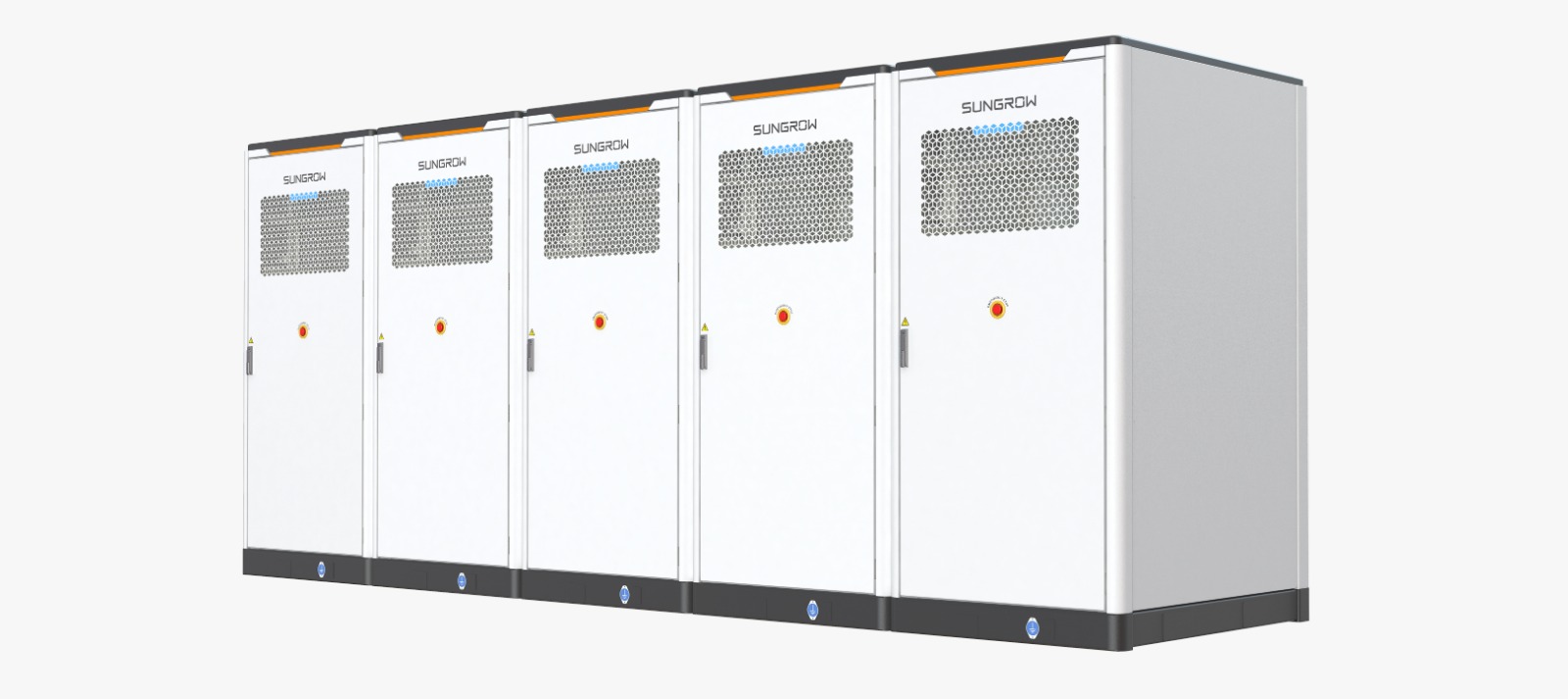
The Brazilian distributed battery storage market has already surpassed 500 MWh of installed capacity and is expected to grow rapidly in the coming years, with at least an additional 650 MWh anticipated by 2026. This projection was shared by Nickolas Vivaqua, LATAM product specialist at the Chinese manufacturer Sungrow, in an interview with pv magazine Brazil as part of the special feature “Applications of Batteries Connected to the Load in DG.”
According to the executive, energy storage has already established itself as an economically and technically viable solution across multiple consumer segments. “Today, our portfolio includes solutions that serve customers ranging from residential to industrial,” says Vivaqua.
In the residential segment, demand is primarily concentrated on backup systems, particularly as protection against power outages. “There is also significant demand for self-consumption, especially among customers who already have photovoltaic systems installed and/or have opted for the white tariff, which enables greater reductions in electricity bills,” he explains.
In the commercial and industrial market, the main focus is on load shifting and peak shaving applications. “Many clients use batteries during peak hours to reduce their reliance on diesel generators, while others aim to avoid penalties associated with exceeding contracted demand,” ha says. In addition, energy backup remains a critical requirement, as power outages in this segment translate directly into operational losses.
Power quality expands opportunities in agriculture and industry
Vivaqua also highlights a growing demand in the agro-industrial and industrial sectors related to power quality. “In locations where blackouts are relatively infrequent, voltage spikes and fluctuations can still cause production stoppages and damage to equipment,” he explains.
According to him, Sungrow has recently developed a solution specifically designed for this type of application, creating new business opportunities for partners and system integrators while addressing a critical operational challenge for end users.
These solutions, in combination, address needs such as backup, increased self-consumption, load shifting, peak shaving , energy resilience, and improved power quality. “In residential settings, the focus is on backup and cost savings. In commercial and industrial settings, the priority is operational continuity and cost reduction. And in agriculture and industry, mitigating voltage variations takes center stage,” he summarizes.

Growth driven by blackouts and hybrid systems
According to Vivaqua, recent power outages have significantly reinforced the demand for energy storage solutions. “We’ve observed a significant increase in demand after major blackouts, especially in São Paulo,” he says.
This movement even includes consumers who do not have solar power generation installed. “Customers who live in apartments and do not have photovoltaic systems are investing in backup systems to guarantee energy,” says Vivaqua. He adds that hybrid solutions are being adopted by residential, commercial, and industrial customers even without photovoltaic panels. “The goal is to minimize losses and guarantee energy for essential equipment, such as Wi-Fi, air conditioning, and television.”
In the case of industries and businesses, a continuously available energy supply has become a competitive advantage. “In a globalized and digitalized world, the guaranteed availability of energy directly impacts productivity and operational costs,” he emphasizes.
Distributed generation accelerates battery adoption.
According to Vivaqua, consumers who have already invested in distributed generation tend to be more likely to install batteries. “These customers have already had a positive experience with a return on investment and reduced energy bills, and they also show greater openness to new technologies,” he states.
Furthermore, photovoltaic systems combined with batteries allow for more strategic consumption management. “The customer can adjust charging and discharging according to their usage profile, further reducing dependence on the public grid,” he explains. He also highlights that hybrid inverters allow the PV system to continue operating during grid outages, something that is not possible without the use of batteries.
“The market is experiencing its best historical moment”
According to the Sungrow specialist, many of the technical, economic, and regulatory limitations have been overcome in recent years. “Technically, solutions already exist for clients of different sizes. Economically, we are experiencing the best historical scenario, with battery prices much lower than five years ago,” he says.
In the regulatory field, Vivaqua assesses that there have been important advances since 2022. He also emphasizes that recent restrictions imposed by distributors on new distributed generation connections, such as limitations on energy exports, have ended up boosting the storage market. “Consumers are seeking greater independence, and the reduction in manufacturing costs further expands opportunities in Brazil,” he says.
According to Sungrow’s assessment, Public Consultation No. 39 of the National Electric Energy Agency (Aneel) can play a central role in consolidating the battery market in relation to electricity. “CP 39 is fundamental to unlocking and accelerating the market, by bringing greater regulatory clarity, reducing legal uncertainty, and enabling business models for storage systems integrated with photovoltaic generation,” says Vivaqua.
According to him, clear rules tend to provide predictability to the sector, stimulate investments, and consolidate storage as a strategic element in the modernization of the Brazilian electrical system. “With this, storage positions itself as a key piece of the energy transition and the advancement of distributed generation in the country,” he concludes.
From pv magazine Brazil
Written by

Popular Posts