“Made in the USA” batteries might still fail FEOC

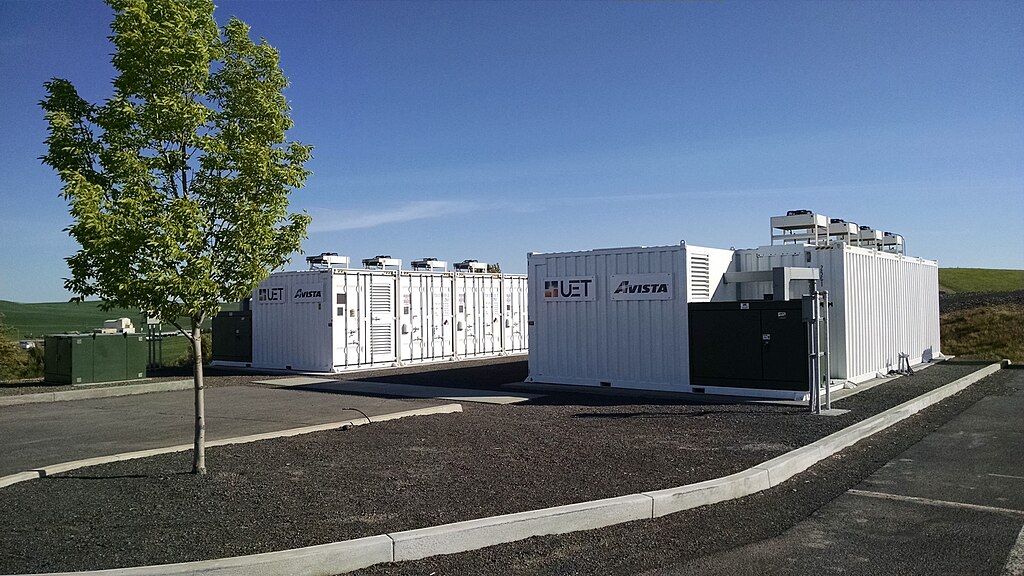
Plastering some stars, stripes and a “Made in the USA” label on a battery assembled in the States should be enough to protect it from any current or future violations of foreign entity of concern (FEOC) regulations, right? Wrong.
In the months following the passage of the One Big Beautiful Bill Act (OBBBA), updated FEOC guidelines have fueled fears around the energy storage industry. Still, in the eyes of many American battery companies and developers, building modules domestically should provide some insulation against retribution. It might not work.
“Buying within the US is not necessarily enough [to avoid FEOC-related risks] because Chinese companies operate in the US and other companies rely on prohibited foreign entity (PFE) components,” said Anza Renewables’ senior director of strategic sourcing, Ravi Manghani, in a conversation with ESS News. Several domestic suppliers may still be tied to Chinese entities or subsidiaries, he explained. Unfortunately, this leaves buyers exposed to the same FEOC and PFE risks they thought they were avoiding.
And, given that FEOC guidelines from the Treasury remain in flux, determining the best path forward is often murky. Domestic content guidelines are no longer fit to act as a proxy value, Manghani explained, given that “even safe harbor projects can discover compliance and operability constraints” years down the line after commencing commercial operations. Until that guidance settles, developers are forced to treat FEOC as a project finance and lifecycle risk.
“It’s now shaping decisions as early as counterparty selection and procurement structuring,” Manghani said, “often before key contracts are finalized.”
And yet, he added, “the risks are still underestimated,” though there remains a sense of “collective concern” within the industry about what else could happen after procurement. One particular concern? Stricter requirements around upstream materials.
“If upstream requirements tighten over the next 12 to 24 months, the industry will not be able to pivot quickly enough,” Manghani warned. Building upstream materials processes can take years; even constructing cell manufacturing lines can take 12 to 18 months. In practice, that lag can translate into “real disruption” and project delays, even for deals that were signed ahead of the guidance.
“Developers should plan for a period of higher costs, less price certainty and more contract conditionality,” he added. And, it’s critical to opt for equipment, suppliers and counterparties that are already “as close to compliant as possible” despite not yet having official guidance or perfect clarity.
Written by




Popular Posts