587 Ah vs. 588 Ah: the difference is more than 1 Ah


China’s emerging 587 Ah and 588 Ah LFP storage cells are often presented as near-identical next-generation products, but the difference is much more than 1 Ah of capacity, spreading from product maturity, technical priorities, manufacturing strategy, to how cell design maps onto utility-scale storage systems. However, both formats are part of the industry’s move beyond 280 Ah and 314 Ah cells toward 500 Ah-plus platforms for grid-scale and commercial storage.
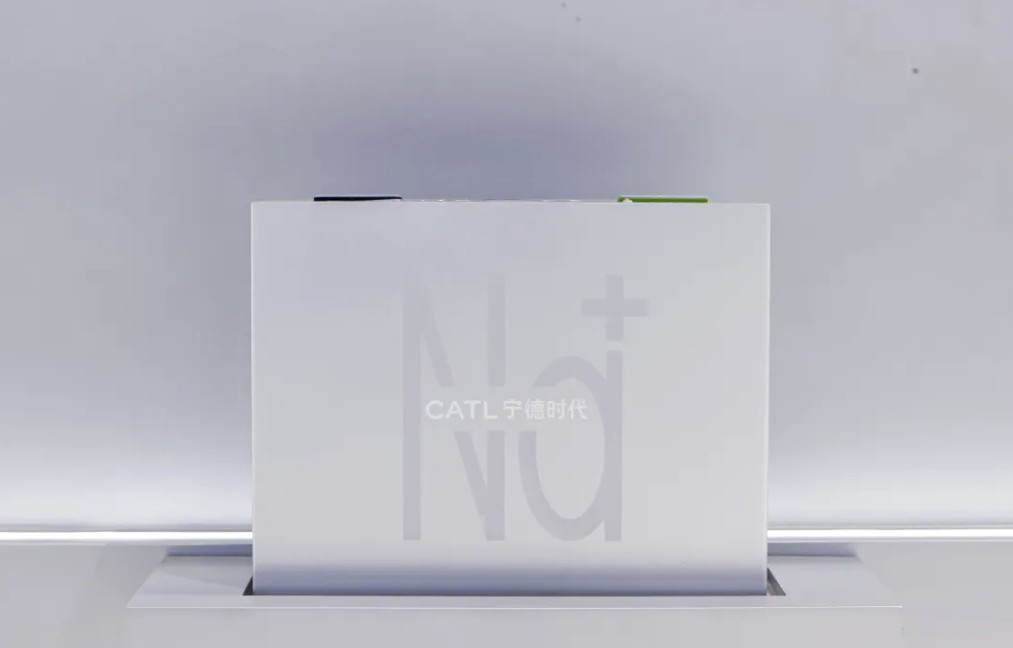
The 587 Ah route is being led by CATL, which began mass production and delivery of its 587 Ah energy storage cell in June 2025. CATL says the cell reaches 434 Wh/L volumetric energy density, about 10% higher than its previous generation, and is designed to work with the industry’s mainstream 20-foot container and 1500 V PCS architecture. CATL has positioned the 587 Ah format as a broadly compatible standard for the next wave of utility storage, including its TENER 6.25 MWh system family.
By contrast, the 588 Ah route is being pushed by REPT BATTERO and other followers as a more aggressive option, especially for long-duration storage. REPT formally presented its Wending 588 Ah platform in late 2025 and expanded the positioning at ESIE 2026, linking the cell to a long-duration system strategy. The company says the cell offers more than 10,000 cycles, a 25–30-year service life, and around 95% to 96.5% energy efficiency depending on operating conditions. REPT is explicitly marketing the 588 Ah format around 4-hour-plus and 6-hour-plus storage use cases.
On pure specs, the difference is small in nominal energy but more visible in packaging and design emphasis. A 587 Ah cell at 3.2 V stores about 1.878 kWh, while a 588 Ah cell stores about 1.882 kWh. CATL’s public positioning emphasizes a high-density, highly manufacturable platform with strong system compatibility and faster commercialization. REPT’s messaging centers more on Wending structural design, lower internal resistance, and efficiency under long-duration discharge conditions. In other words, 587 Ah is being framed as a general-purpose mainstream standard, while 588 Ah is being framed as a scenario-specific challenger, especially for long-duration projects.
The manufacturing gap is also important. CATL’s 587 Ah cell is already in mass production and has been integrated into commercial system products, while 588 Ah products are newer and, in many cases, still in the verification or early ramp-up stage. That makes 587 Ah the safer near-term choice for projects that value bankability, delivery certainty, and rapid integration. 588 Ah, meanwhile, may become more attractive for projects starting in late 2026 and 2027, particularly where long-duration economics matter more than immediate scale.
More important thing is that China’s storage industry is no longer arguing only about cell size. It is increasingly arguing about which cell best defines the system architecture of the 6.25 MWh or even larger era.
Written by
Comments