Engie inaugurates its first battery system connected to a wind farm

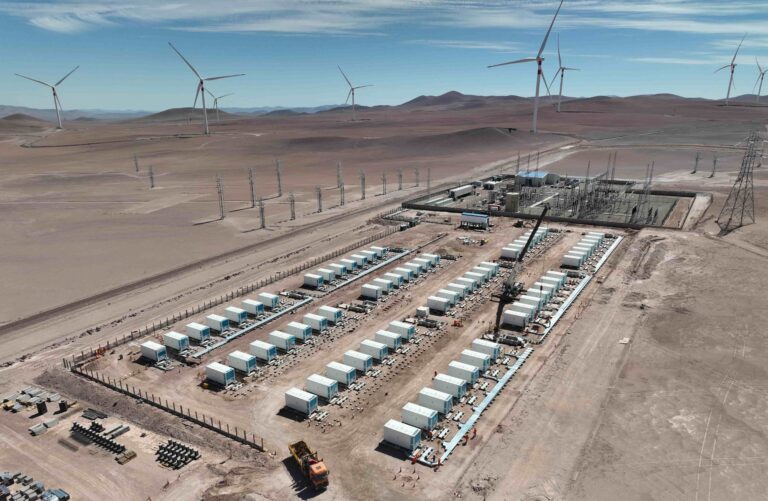
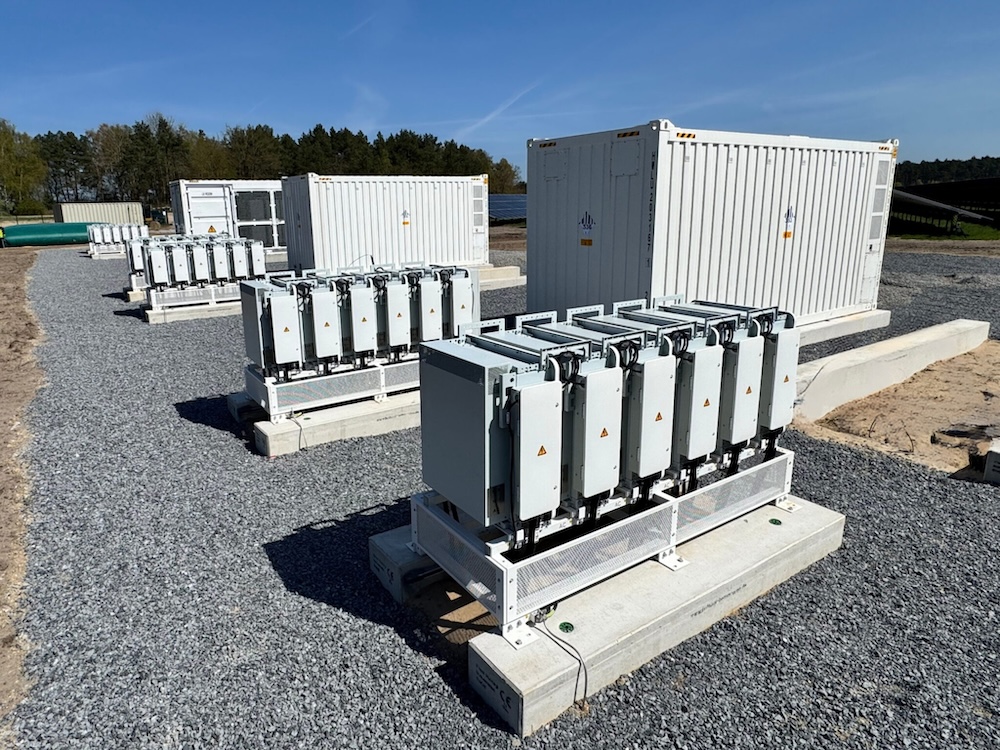
Engie Chile has inaugurated the BESS Kallpa project, the company’s first battery storage system directly connected to a wind farm in Chile. The installation is located next to the Kallpa Wind Farm in the municipality of Taltal, Antofagasta region, and has a capacity of 57 MW / 285 MWh, or five hour duration storage .
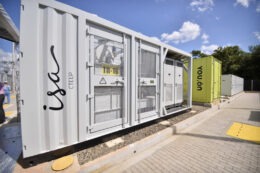
The system represents an investment of approximately $69 million and incorporates 70 battery containers. It is connected via the wind farm’s own substation, allowing for the storage of surplus renewable energy and its subsequent delivery to the National Electric System (SEN), particularly during peak demand hours.
The company emphasized that the project will provide operational flexibility and contribute to the stability of the electrical system, in a context marked by the growth of variable solar and wind power generation. Engie also noted that the system will optimize the continuous injection of renewable energy from the associated wind farm.
The Kallpa Wind Farm, formerly known as the Lomas de Taltal Wind Farm, began commercial operation in March 2025 after receiving authorization from the National Electric Coordinator (CEN). The facility has 57 wind turbines of 6 MW each, for a total installed capacity of 344 MW. According to the company, it can generate approximately 923 GWh annually.
The wind farm required an investment of $459 million and is currently Engie Chile’s largest renewable asset.
With the addition of BESS Kallpa and other projects under construction, the company projects to reach 2.5 GW of installed capacity in renewable energy and storage by 2027.
The project adds to a storage portfolio that Engie Chile is developing throughout the country, which includes initiatives such as BESS Coya (139 MW / 638 MWh) , BESS Tamaya (68 MW / 418 MWh) , BESS Capricornio (48 MW / 264 MWh) , BESS Arica (34 MW / 170 MWh) , BESS Tocopilla (116 MW / 660 MWh) , BESS Lile (140 MW / 802 MWh) , BESS Los Loros (46 MW / 260 MWh) and the hybrid project Libélula (151 MWp solar and 199 MW in batteries).
From pv magazine LatAm.
Written by




Popular Posts