EU approves capacity market for Spain

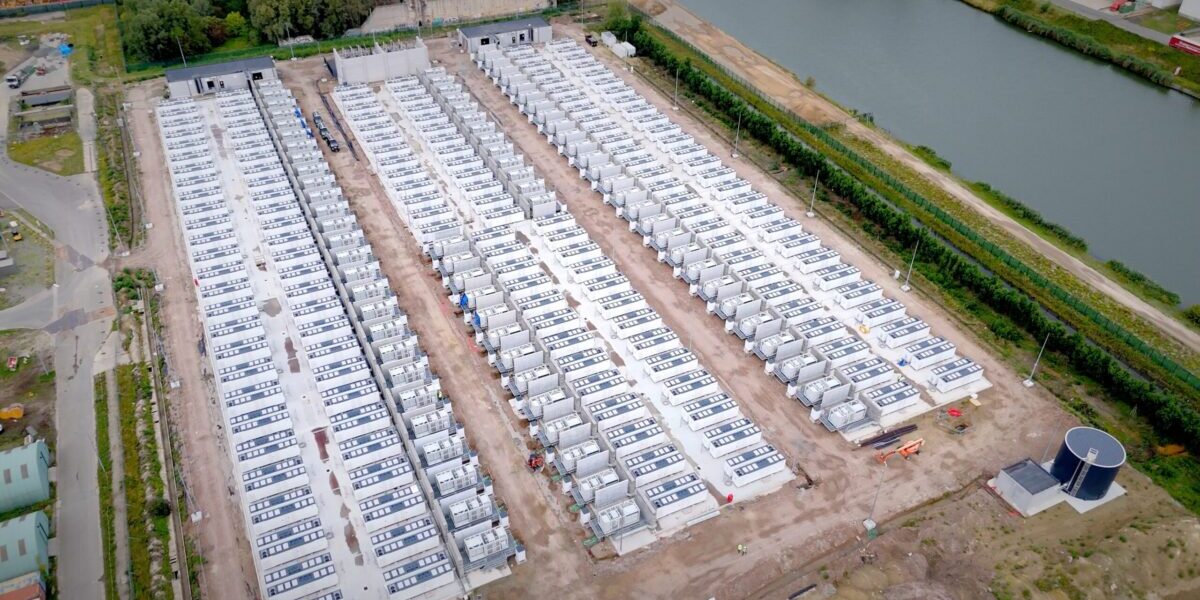
The European Commission has approved Spain’s new capacity mechanism, which will mobilise up to €9 billion ($10.4 billion) over the 2026–2036 period. The scheme will remunerate electricity resources for remaining available during periods of system stress or scarcity, including generation, storage and demand-side response.
The mechanism, set to begin in May 2026, is expected to run for ten years with an estimated annual budget of around €900 million, subject to results from future capacity auctions.
Spain’s system operator, Red Eléctrica de España (REE), will manage the scheme, which will remunerate capacity required to meet the national “reliability standard” — defined as the maximum acceptable number of load-loss hours to ensure security of supply. This metric is based on Spain’s resource adequacy assessment and has been validated by the Agency for the Cooperation of Energy Regulators (ACER).
The objective is to ensure sufficient firm and flexible capacity when renewable output is insufficient or when grid stability is at risk. The mechanism will be open to existing plants and new projects across generation, energy storage and demand response, provided they meet environmental and availability criteria.
Capacity will be awarded through competitive, transparent and non-discriminatory auctions. Participants will compete on the level of remuneration requested per MW of available capacity during scarcity periods, a design intended to limit market distortions and reduce consumer costs.
According to the European Commission, the scheme includes safeguards to avoid undue advantages for specific market participants and to prevent distortions to cross-border electricity flows. While initially limited to assets located in Spain, the government has committed to gradually enabling participation from facilities in other EU member states, in line with deeper internal electricity market integration.
Brussels’ approval follows Spain’s proposal, advanced in late 2024 after a public consultation on the ministerial order establishing the framework.
The government has outlined three auction types under the mechanism: nine-year auctions for new investments, designed on a technology-specific basis with contract durations of up to 15 years; five-year auctions for projects under development or already holding operating authorisations; and one-year adjustment auctions for existing plants aimed at addressing potential adequacy gaps.
More about
Written by
Comments


Popular Posts