Australian green bank backs 1 GW battery network in first deal

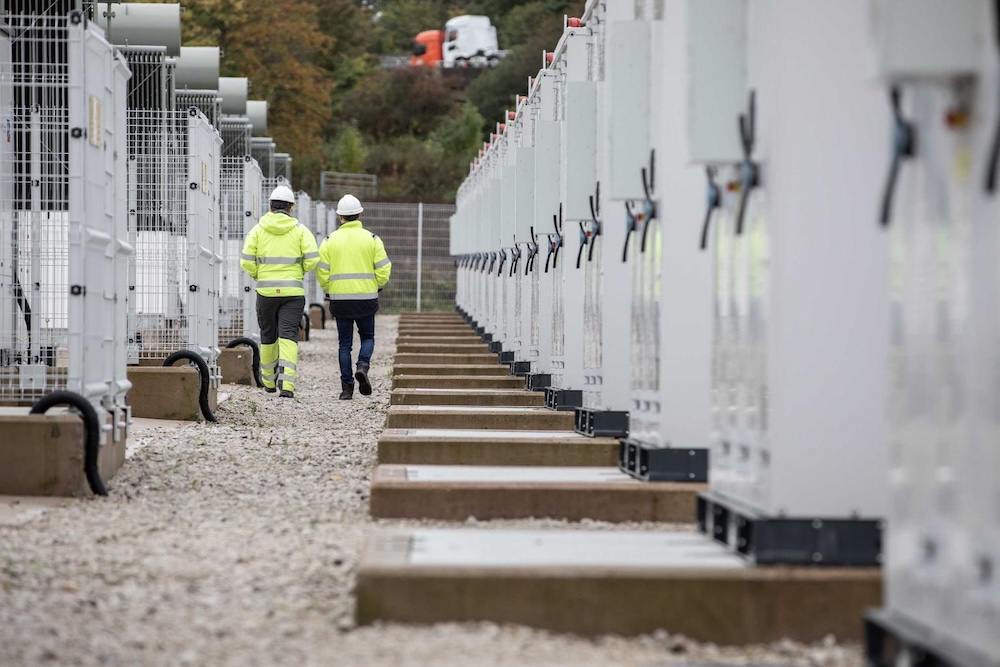
New South Wales Energy Security Corp. has made its first investment, committing AUD 100 million ($710 million) to support a battery platform expected to grow to 1 GW of capacity by 2031.
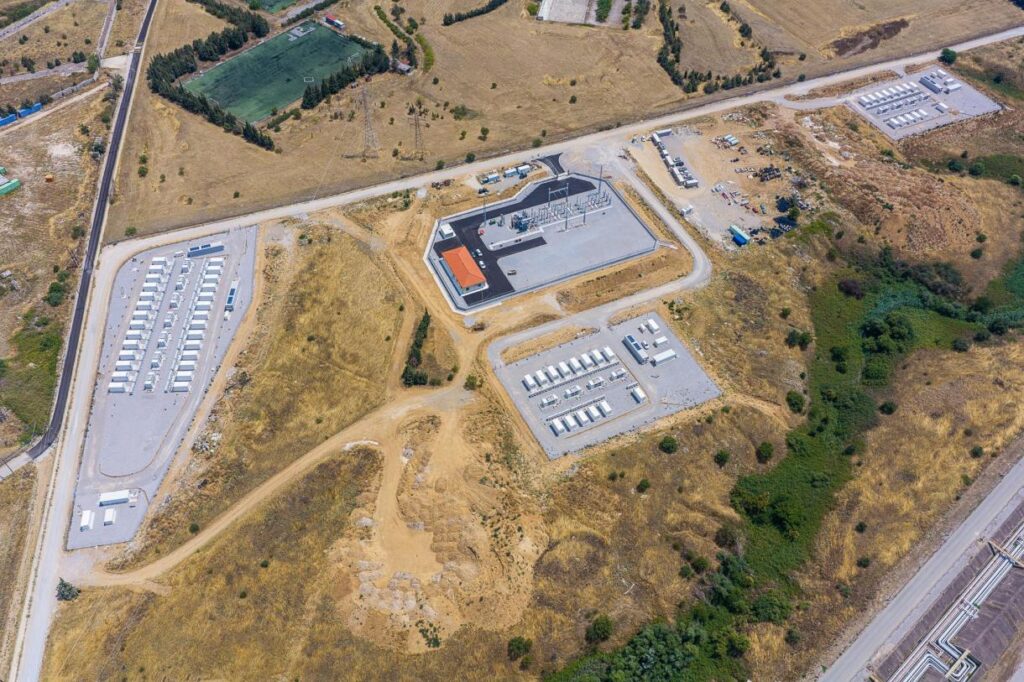
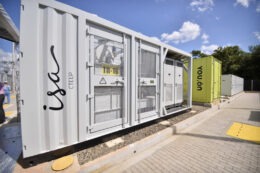
The funding will support the construction of four grid-scale battery projects to be delivered by Plus Grid Storage, an offshoot of electricity distribution network company Ausgrid.
The first two batteries are 200 MW/400 MWh projects located at Steel River Industrial Estate in Newcastle and the Sydney suburb of Homebush. The locations of the next two are yet to be revealed but the state said they will have a capacity of approximately 100 MW and 150 MW.
Works on the first project in Newcastle are expected to start next month with the first 500 MW of storage expected to be operational by early 2029. A further 150 MW is expected to be added in late 2029.
ESC Chief Executive Officer Paul Peters said the batteries are being built in the state’s most critical load centres, where demand is highest, land is constrained and the need for storage is most immediate.
“Plus Grid Storage’s ability to deliver these projects by 2029, while making better use of existing infrastructure, were critical factors in our decision to invest in this battery platform,” he said.
NSW Energy Minister Penny Sharpe said the battery projects will help strengthen electricity reliability as the state’s ageing coal-fired power stations go offline.
“Large-scale batteries are revolutionising NSW’s energy grid, delivering greater energy security and helping to drive down prices,” she said. “With this first investment, the Minns Labor Government’s Energy Security Corporation is helping to accelerate more of these critical projects – helping keep power reliable and affordable for everyone across the state.”
The ESC was legislated in 2024 to work with private investors and industry to develop renewable energy assets. The fund offers investments between $25 million and $150 million, prioritising long-term storage such as large-scale batteries, as well as community batteries, virtual power plants that allow household rooftop solar and battery systems to be orchestrated and used more efficiently, and potentially pumped hydro.
Sharpe said the aim of the capital is to deploy it to provide a catalyst to private sector funding and move priority projects forward.
“Its role is to unlock private capital by co-investing in clean energy projects that support energy system reliability,” she said.
More about
Written by



Popular Posts