BYD plans $98 million BESS production line in Brazil

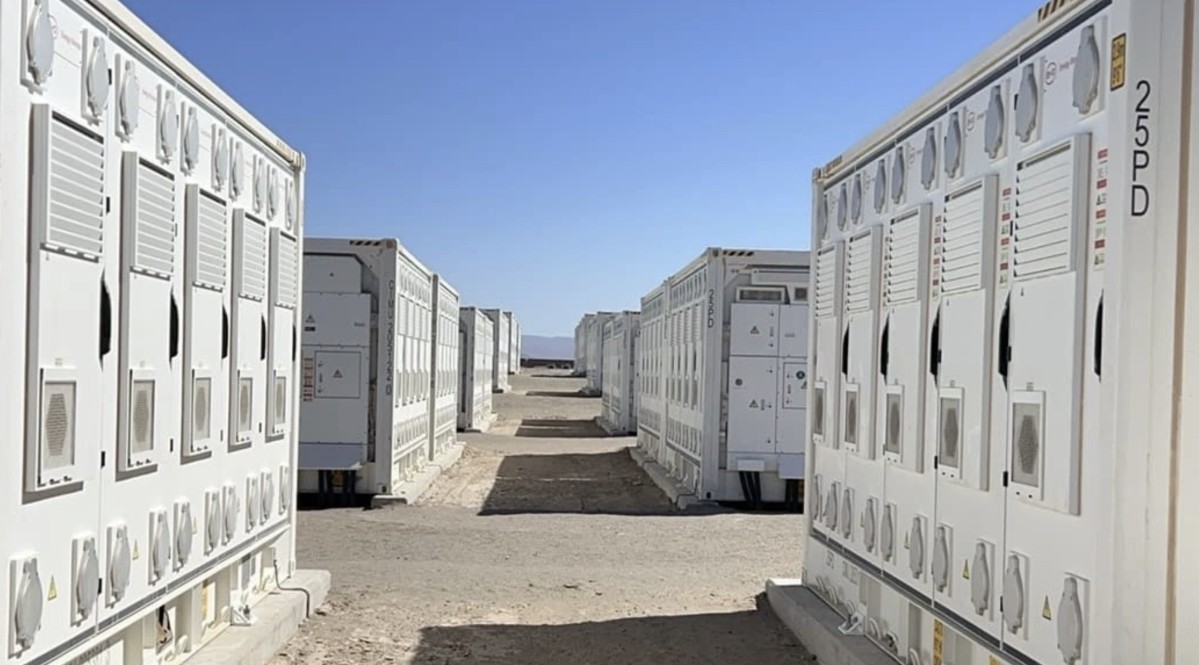
Shenzhen-headquartered BYD is preparing to invest up to BRL 500 million ($98 million) in a battery energy storage system production line in Brazil, as the country moves toward its first federal auction for grid-scale storage.
Alexandre Baldy, senior vice president of BYD Brazil, told Reuters that the company will decide within about 90 days whether to add the BESS line at its existing Manaus battery plant or build a new facility elsewhere in the country. The investment would be phased and funded by BYD, with the initial project expected to create 300 to 400 direct jobs, according to Brazilian media reports.
The planned line will focus on battery energy storage systems (BESS) for the national grid, rather than cell manufacturing. It is expected to localize module, pack and system integration work around BYD’s lithium iron phosphate battery technology, while cells would likely continue to be supplied through BYD’s global battery chain.
BYD already has a lithium iron phosphate battery unit in the Manaus Industrial Estate in Amazonas state. Expanding the existing site could allow the company to reuse local operations, supply-chain infrastructure and tax advantages. A separate new plant, however, could give BYD more flexibility to build a dedicated grid-scale BESS manufacturing base closer to future demand centers or policy incentives.
The investment is closely linked to Brazil’s emerging storage policy framework. Brazil’s Ministry of Mines and Energy and electricity regulator Aneel have published rules for the country’s first capacity reserve auctions dedicated to battery storage systems. The auctions are scheduled for December 2026 and will contract grid-scale storage under 15-year agreements, with delivery from August 2028.
One of the auction rounds will be restricted to projects meeting domestic content requirements defined by Brazilian development bank BNDES. This makes local production strategically important for suppliers seeking to participate in Brazil’s storage market. Baldy said the final scale of BYD’s investment will depend in part on the localization rules.
Brazil’s need for storage is increasing as solar and wind deployment outpaces grid absorption capacity in some regions. Renewable generators have faced curtailment during peak production periods, while the country’s hydropower-heavy system also requires more flexibility as weather patterns and demand profiles change. Grid-scale BESS projects are expected to provide peak shifting, frequency support and congestion relief.
For BYD, the planned BESS line would expand its Brazilian footprint beyond electric vehicles, buses, photovoltaic modules and existing battery operations. The company is separately investing BRL 5.5 billion in its Camaçari vehicle manufacturing complex in Bahia and BRL 50 million to BRL 60 million to expand bus battery production.
Written by

Popular Posts