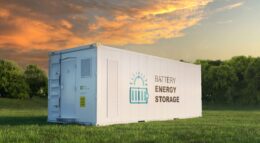
ADB approves $63.44 million for Cambodia battery storage project

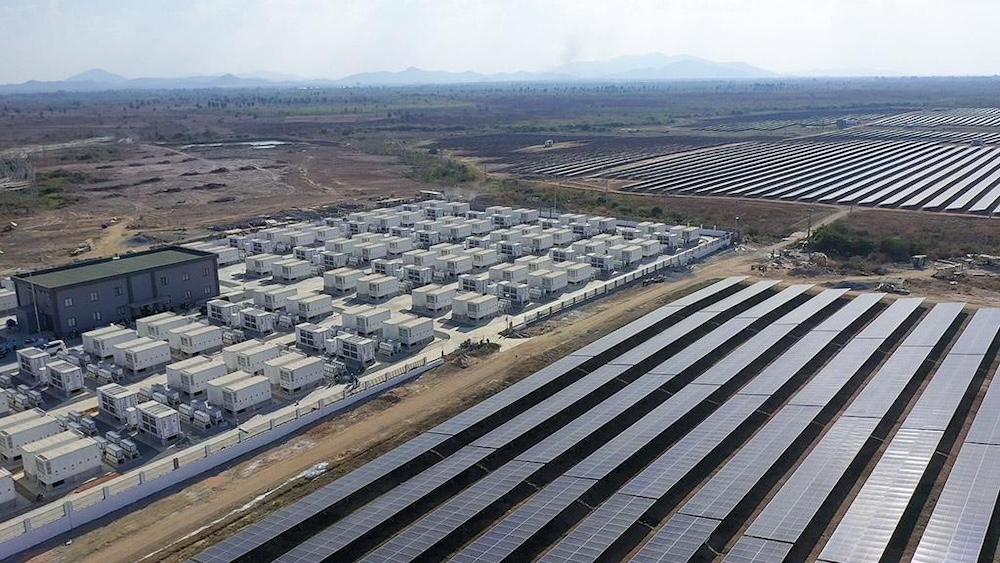
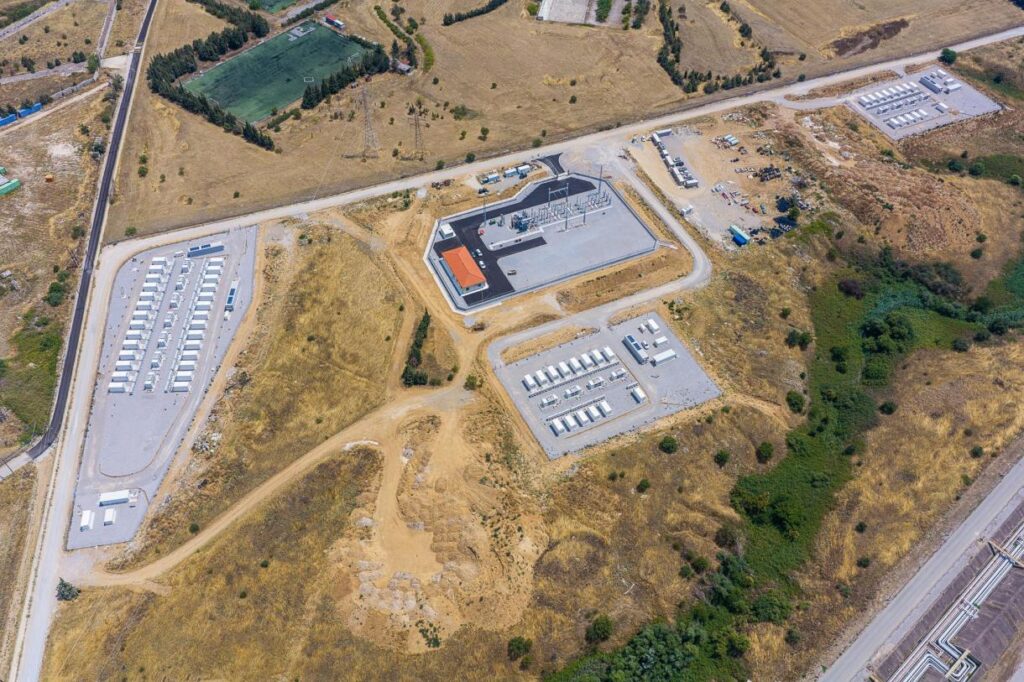
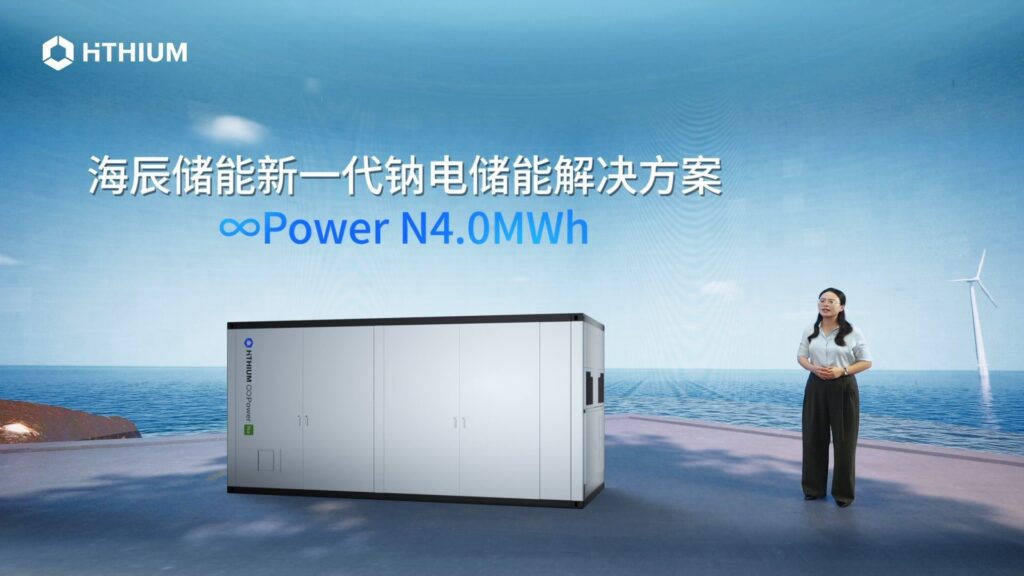
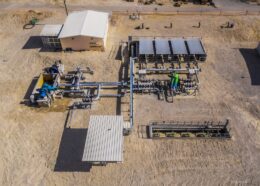
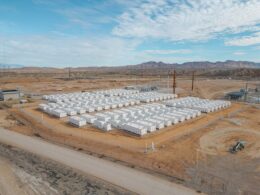
The Asian Development Bank said it has approved a $63.44 million financing package for a 250 MW/500 MWh battery energy storage system at the Takeo substation in southern Cambodia.
The facility will store excess renewable generation and dispatch it back to the grid to manage peak loads and stabilize fluctuations, supporting demand growth from industrial zones, agro-processing facilities, and urban districts in the region.
The ADB said the project will also support cross-border power trade and grid interconnectivity with Vietnam, contributing to the ASEAN Power Grid’s target of full regional grid integration by 2045.
The financing package includes a $40 million concessional loan and a $5 million grant from the ADB through the Asian Development Fund, plus $18.44 million in co-financing from the Green Climate Fund and the United Kingdom through the ASEAN Catalytic Green Finance Facility.
The project supports Cambodia’s target of 70% renewable energy capacity by 2030 and is expected to avoid up to 27,700 tons of greenhouse gas emissions annually once operational, according to ADB. The bank said the project will also strengthen the capacity of state-owned utility Electricité du Cambodge to manage advanced energy systems and support development of battery storage regulations in the country.
Cambodia’s power sector currently relies heavily on imported fuel for generation, leaving it exposed to global price volatility and supply disruption, said the ADB.
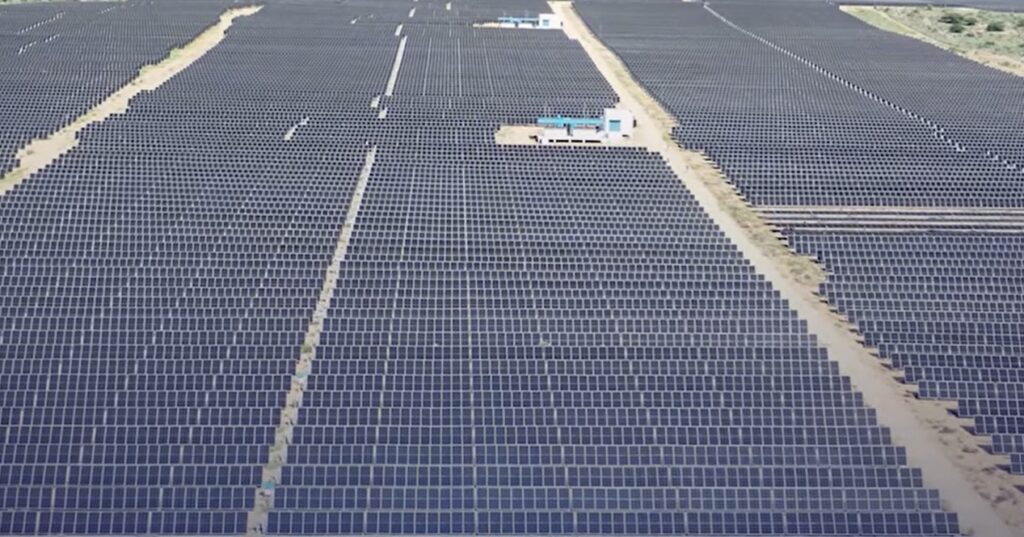
Cambodia’s utility-scale solar capacity has already surpassed government targets set for 2030 and 2035, underscoring the urgency of storage investment to keep pace with the country’s renewable buildout and avoid curtailment as generation continues to outstrip grid flexibility.
More about
Written by



Popular Posts