Hertz 2 BESS begins operation, forming 200 MW storage hub in Estonia

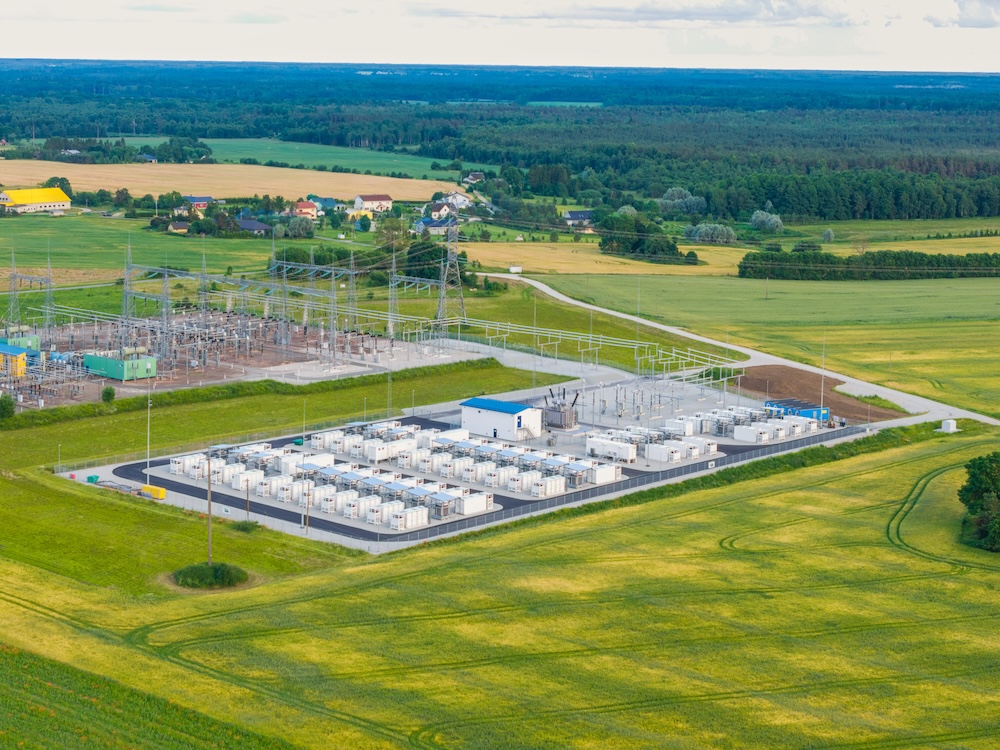
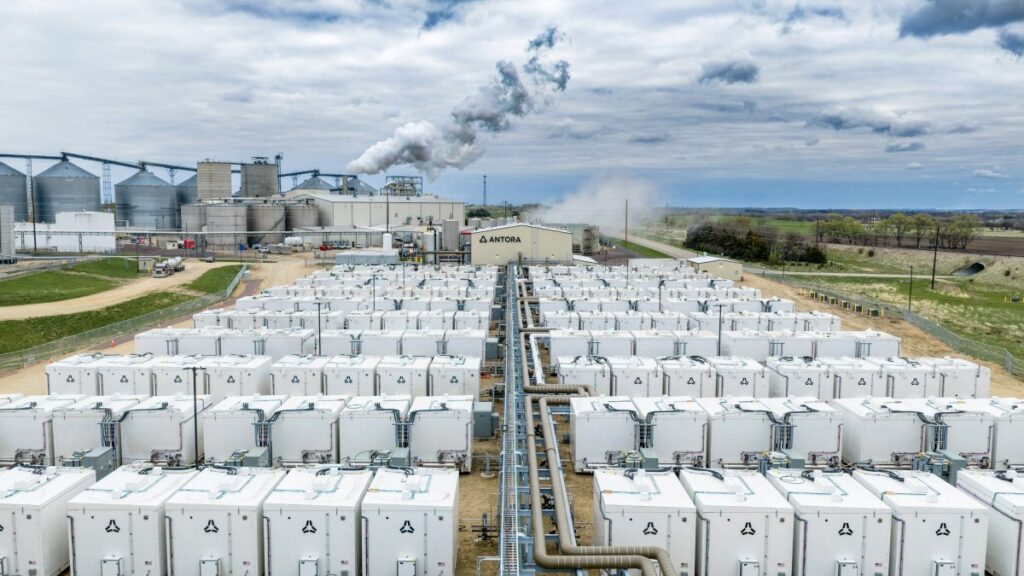
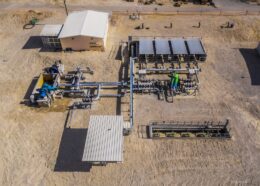
Hertz 2 began operation on July 7 in Aruküla, Estonia, bringing the combined capacity of the project and its sister facility, Hertz 1, to 200 MW and 400 MWh.
The facilities were developed by Baltic Storage Platform, a joint venture between Estonian developer Evecon, French power producer Corsica Sole, and investment fund Mirova.
The two projects represent a combined €170 million ($193.9 million) private-sector investment, said Evecon CEO Karl-Joonatan Kvell, adding that the investment decision was made without subsidies.
The BESS is connected to the grid operated by Estonian transmission system operator Elering and will provide frequency regulation services alongside participation in day-ahead and intraday electricity markets.
Construction of both projects was financed through an €85.6 million loan from the European Bank for Reconstruction and Development (EBRD), Nordic Investment Bank, and Edmond de Rothschild Asset Management.
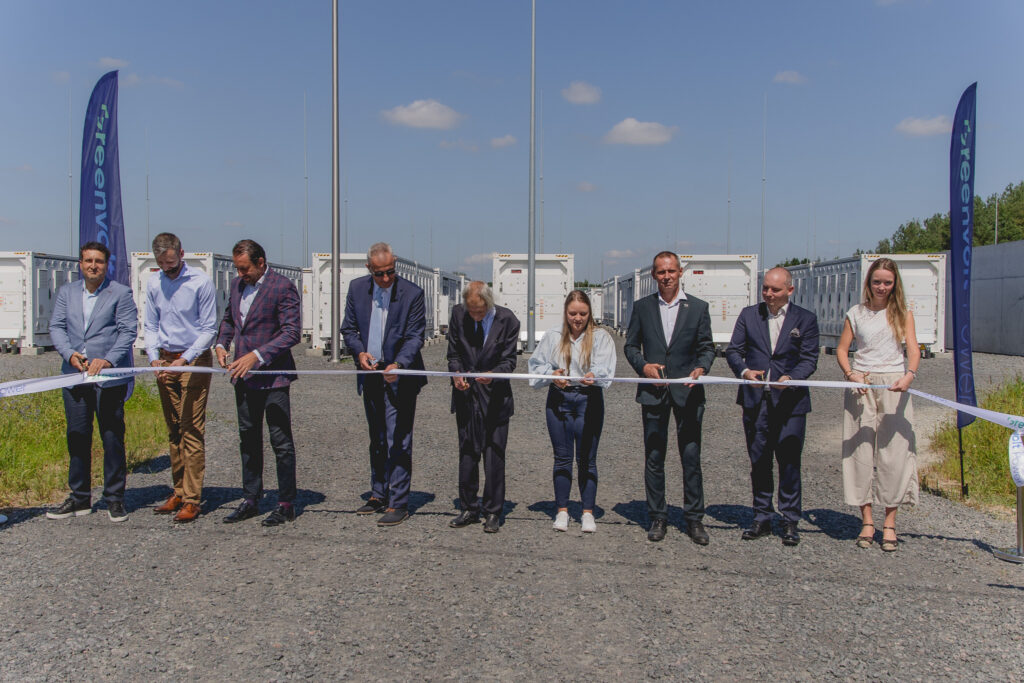
Hertz 1 BESS opened in February in Kiisa. The developers said that together, the two projects form one of the most powerful BESS complexes in continental Europe.
Hertz 1’s final grid connection testing caused a disturbance on Jan. 20 that tripped both EstLink connections between Estonia and Finland, resulting in a loss of about 1,000 MW of power, Elering said at the time. Kvell said that the fault occurred during the facility’s testing and configuration phase and argued that primary responsibility for the incident lay with tech provider Nidec Conversion.
Estonia, Latvia, and Lithuania have managed grid frequency independently since desynchronizing from the Russian grid and synchronizing with continental Europe in February 2025.
More about
Written by



Popular Posts