Battery tolling grows as Germany moves beyond merchant risk

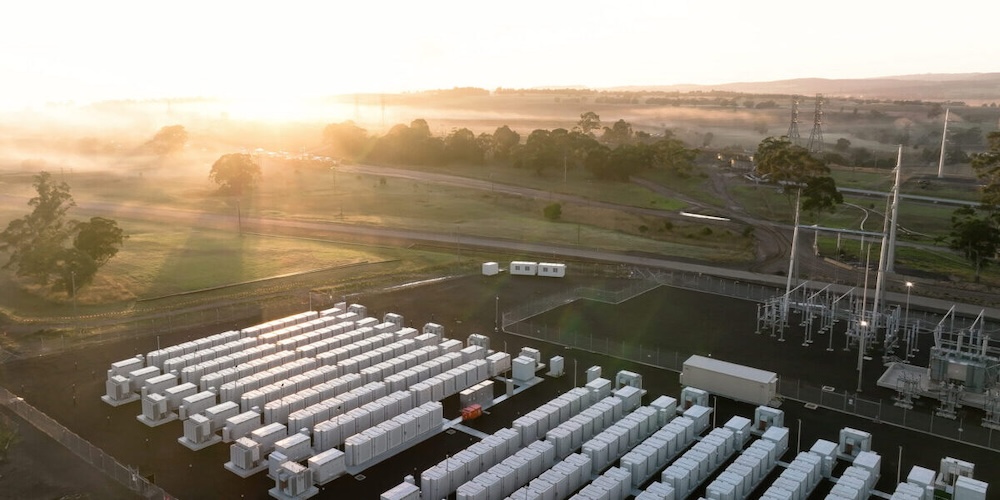
Germany is expected to add around 17 GW of large-scale battery storage by 2030, up from less than 4 GW today, with developers increasingly seeking ways to stabilize revenues as projects grow in size.
While merchant optimization can generate annual revenues of around €200,000 ($228,840)/MW for a two-hour battery system, returns fluctuate sharply from month to month, making financing more difficult.
Industry experts speaking at the Battery Business & Development Forum (BBDF) in Frankfurt said battery tolling agreements are attracting growing interest because they replace volatile merchant revenues with fixed contractual payments.
Under a tolling agreement, a battery owner transfers all or part of the commercial operation of a storage asset to another party, which assumes market price risk in exchange for paying the owner a fixed fee. Utilities, energy traders and, less commonly, large industrial electricity users typically act as tolling counterparties.
Aurora Energy Research said Germany is one of the most attractive markets for tolling because it combines relatively high battery project costs with strong revenue potential, creating greater scope to structure contracts between minimum revenue requirements and potential merchant returns.
As projects increase from 20 MW and 50 MW systems to installations of 100 MW and above, financing needs are also growing, making predictable cash flows increasingly important for banks and institutional investors.
Aurora estimates that 40% to 50% of Germany’s battery storage capacity could eventually operate under tolling structures. The proportion of contracted revenue will vary depending on project size, ownership structure, financing arrangements and investors’ tolerance for merchant risk. Developers are expected to secure only enough contracted revenue to improve financing terms while leaving the remaining capacity exposed to merchant markets.
Analysis by Modo Energy suggests project returns depend on both the agreed tolling price and the share of revenues fixed under contract. Returns improve as more revenue is contracted, although the benefits begin to level off once around 80% of revenues are secured because banks typically do not provide debt financing beyond that level. The financial strength of the tolling counterparty is also a key consideration, with agreements involving established utilities generally viewed as lower risk.
Large utilities may also be willing to offer more attractive tolling terms because batteries create value beyond standalone energy trading. Storage assets can improve the performance of renewable energy portfolios by shifting electricity from low-price to high-price periods while also reducing balancing costs caused by forecast errors in wind and solar generation.
Legal experts said tolling agreements remain highly bespoke, with negotiations covering technical performance, battery degradation, availability guarantees, regulatory risks and financing arrangements. Developers are generally advised to wait until key project risks, particularly permitting and grid connection, have been substantially resolved before entering detailed contract negotiations.
The market is also diversifying beyond traditional physical tolling agreements. Developers are increasingly evaluating virtual and financial tolling structures, which distribute operational control and revenue risk differently while offering greater flexibility for larger storage portfolios. Industry participants said standardized contracts may eventually emerge, but the market remains in an early stage, with most agreements still negotiated on a project-by-project basis.
More about
Written by
Comments




Popular Posts