LG Energy Solution starts battery production at new Lansing facility

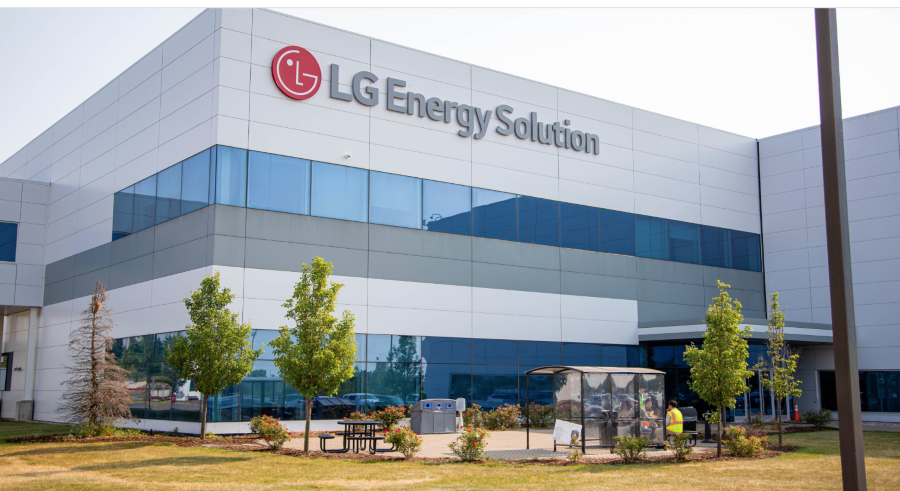
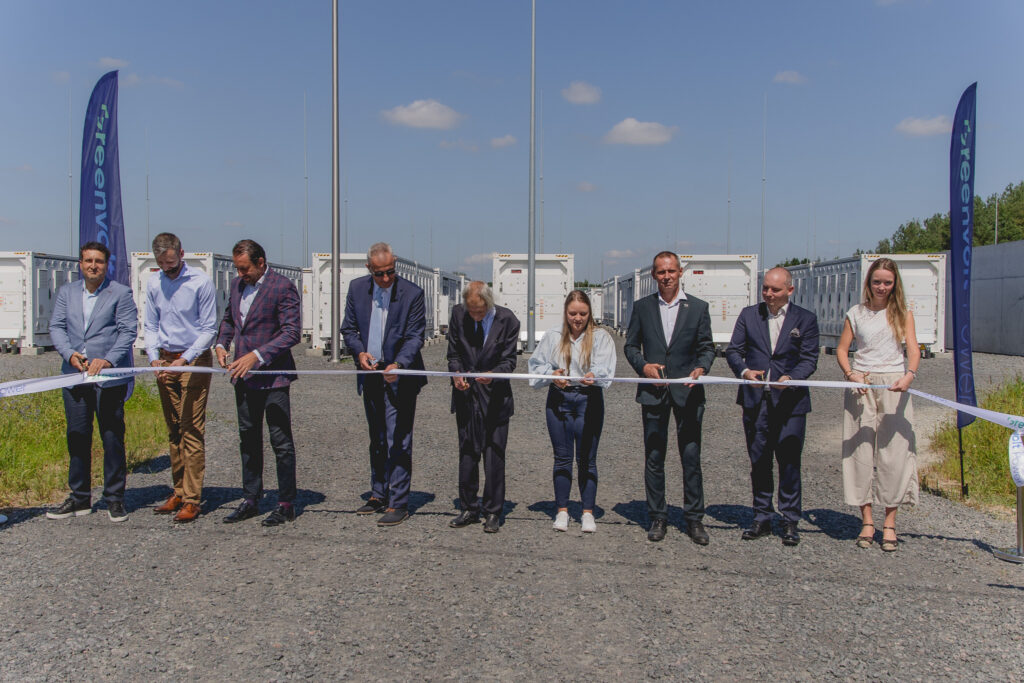
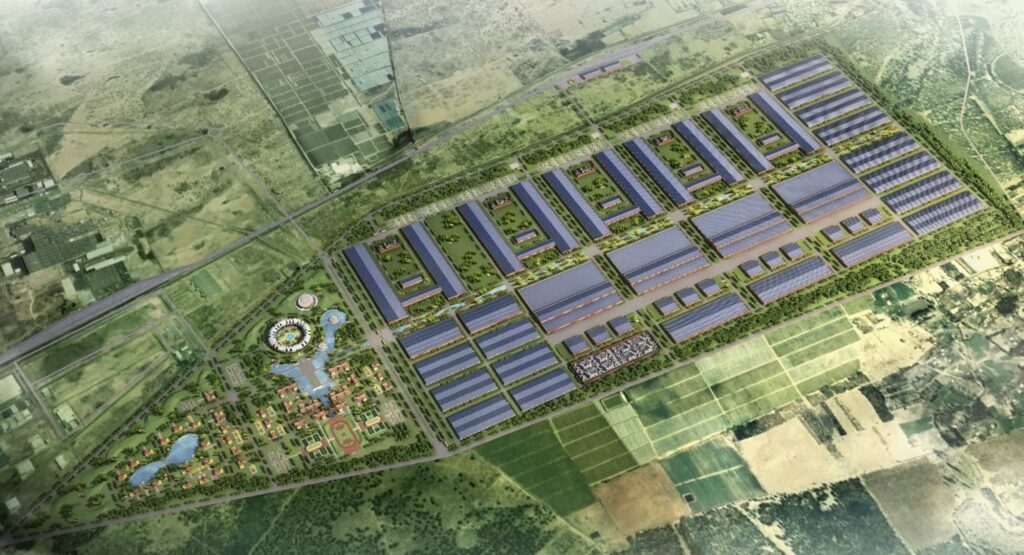
LG Energy Solution (LGES) has officially commenced production at its newly constructed 226-acre battery manufacturing facility in Lansing, Michigan. The plant, which represents an investment of more than $2 billion since 2022, is designed to produce battery cells for both utility-scale energy storage systems (ESS) and electric vehicles (EVs).
At full scale, the Lansing facility is projected to achieve an annual production capacity of over 35 GWh and employ approximately 1,700 workers, expanding from the 900 team members currently on site.
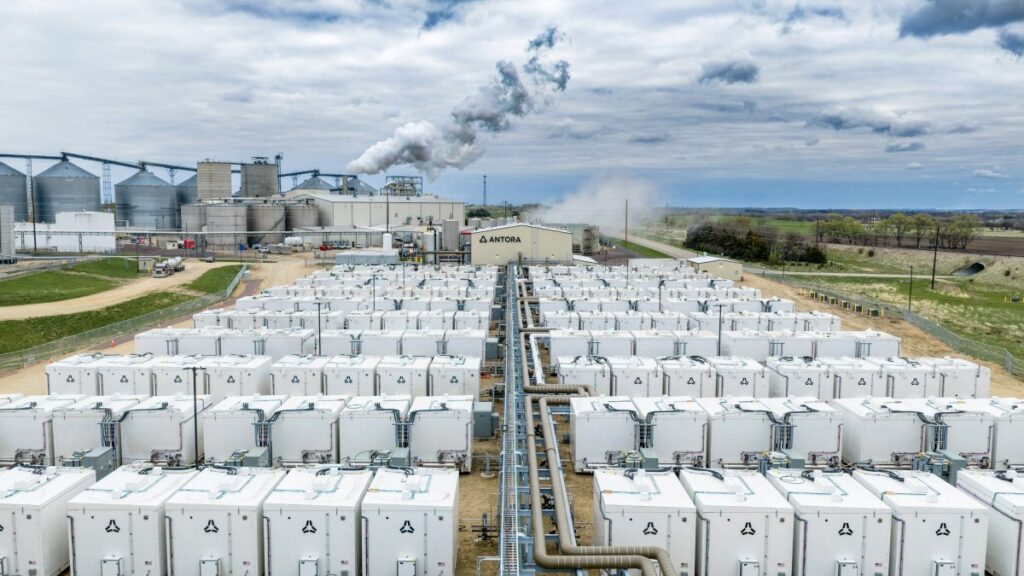
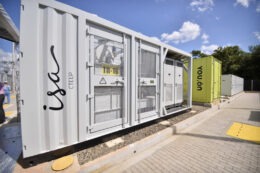
For the energy storage market, the Lansing plant is manufacturing lithium iron phosphate (LFP) cells. The cells will be integrated by the company’s U.S. energy storage system integration division, LG Energy Solution Vertech, into turnkey battery enclosures for grid-scale, commercial, and industrial applications. Detroit-based utility DTE Energy is among the initial customers slated to deploy Lansing-produced LFP batteries for its upcoming ESS projects.
In addition to LFP production, the plant will produce high-density nickel-manganese-cobalt (NMC) cells for automotive applications. The NMC cells are earmarked for Toyota Motor Manufacturing Kentucky to power the automaker’s 2027 Toyota Highlander EV.
The new Lansing facility represents a capital investment of more than $2 billion and is projected to reach an annual production capacity exceeding 35 GWh. Once operating at full scale, the plant will employ approximately 1,700 full-time workers to manufacture lithium iron phosphate (LFP) battery cells for energy storage systems alongside nickel-manganese-cobalt (NMC) cells for electric vehicles.
The Lansing start-of-production expands LGES’s active manufacturing footprint in Michigan, where it has operated a facility in Holland for more than two decades. Across both sites, alongside its R&D facilities in Troy, the company expects its statewide workforce to exceed 3,300 by the end of 2026, representing over $5 billion in cumulative capital investment in the state since 2010.
The facility also advances LGES’s broader strategy to establish more than 50 GWh of North American LFP manufacturing capacity by the end of 2026. Domestic cell production enables project developers and utilities to satisfy U.S. content requirements for tax credit incentives under federal clean energy provisions.
LGES projects that 80% of its global ESS manufacturing capacity will be located within North America by the end of 2026, driven by production at wholly owned plants in Lansing and Holland, Michigan, and Windsor, Ontario, alongside joint venture facilities in Ohio and Tennessee.
From pv magazine USA.
Written by
Comments


Popular Posts