Grenergy plans 516.9 MWp solar plant with 3.01 GWh BESS in Chile

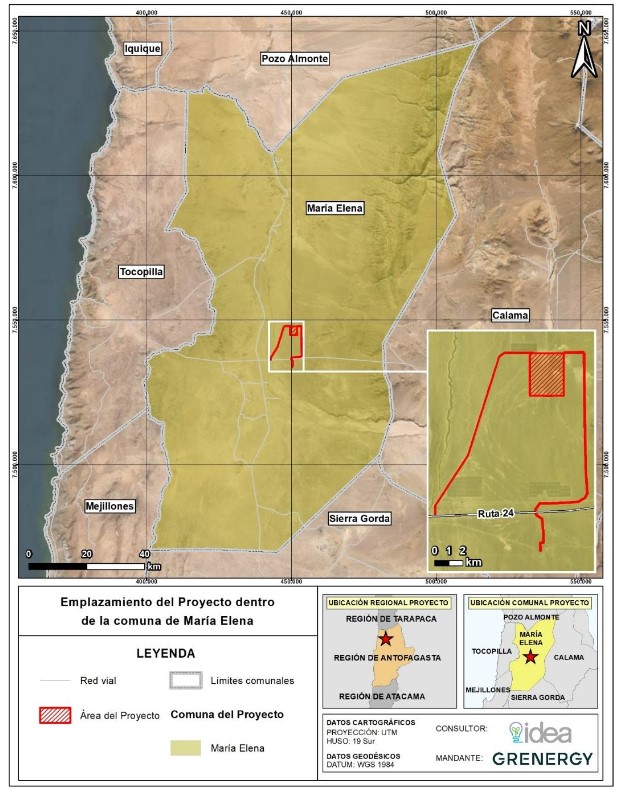
Solar Antofagasta has submitted the environmental impact declaration for the Parque Fotovoltaico Antofagasta 1 project to Chile’s Environmental Impact Assessment System (SEIA).
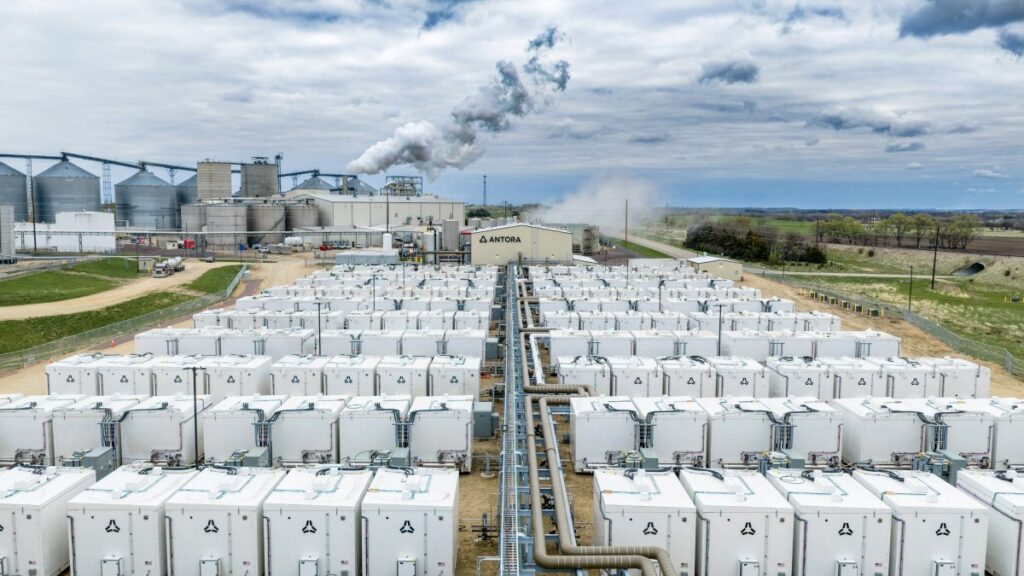
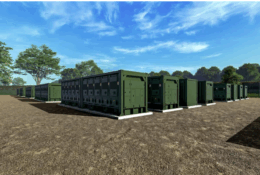
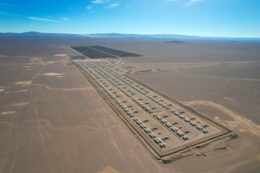
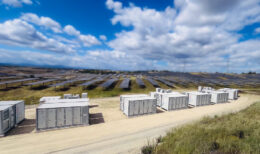
The project, whose parent group is identified in the documentation as Grenergy Renovables, comprises a 516.92 MWp solar plant and a 430 MW/approximately 3,010 MWh battery energy storage system (BESS), equivalent to seven hours of storage.
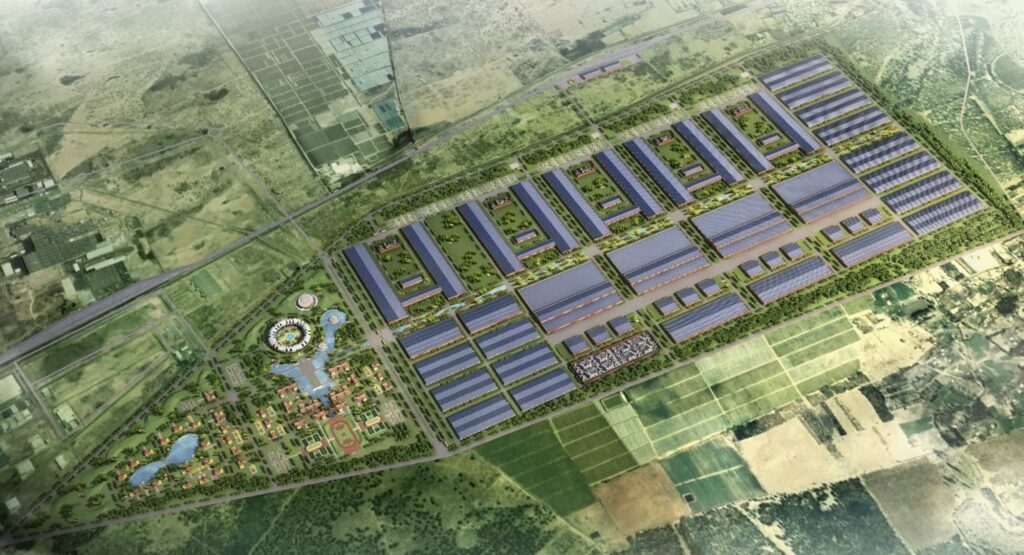
The project will be located in the María Elena municipality, Tocopilla province, in the Antofagasta region, covering a total area of 834.58 hectares. Permanent and temporary works will occupy 402.37 hectares, with the remainder left free of installations.
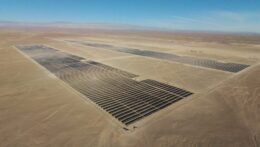
The solar plant will comprise 820,512 modules rated at 630 W each. Electricity generated by the plant can be stored in the BESS for subsequent injection into Chile’s National Electricity System (SEN), shifting energy delivery toward periods of higher demand.
For grid connection, the project includes the new Salitre step-up substation, rated at 33/220 kV, and a 20.7 km high-voltage transmission line. The line will comprise 59 structures – two line gantries and 57 lattice towers – and connect to the existing 220 kV Kimal substation, which is owned by a third party.
The environmental impact declaration estimates investment of approximately $250 million for the solar plant, including the transmission line and substation, and a further $270 million for the BESS. This brings the investment described in the executive summary to about $520 million. The figure differs from the $593 million attributed to the project in reports published after its submission to SEIA; the attached document explicitly breaks down the two lower amounts.
Construction is expected to take 20 months and require up to 400 workers, with an average workforce of 200. The documents schedule construction to begin in May 2028, subject to a favorable Environmental Qualification Resolution (RCA) and the required sectoral permits. Grid connection and commercial operation are scheduled for February 2030.
The plant is expected to operate for 40 years, through February 2070, while decommissioning will take 18 months. Average staffing during operations is expected to be five people, rising to a maximum of nine during maintenance activities.
The voluntary environmental commitments included in the filing include a coordination plan with the Tocopilla provincial fire department covering procedures for potential battery fires or explosions. The document also outlines specific measures for BESS fires, chemical explosions involving battery racks, and potential incidents during the transportation, installation, or storage of lithium batteries.
From pv magazine LatAm
More about
Written by
Comments


Popular Posts