Spain proposes island battery storage reform to displace fossil power

Spain’s Ministry for the Ecological Transition and the Demographic Challenge (MITECO) has opened a public consultation on a draft royal decree that would allow battery storage systems to participate in competitive electricity dispatch for the first time in the country’s non-mainland power systems, including the Canary Islands, the Balearic Islands, Ceuta, and Melilla.
The proposal would amend Royal Decree 738/2015 to adapt the regulatory framework governing electricity generation in Spain’s isolated power systems as renewable energy and battery storage deployment increases.
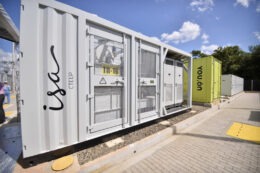
For the first time, both standalone battery storage systems and storage projects paired with renewable generation would be included within the scope of the regulation and allowed to participate in electricity dispatch alongside conventional generators.
Under the proposed rules, battery storage would compete directly with fossil fuel power plants in the dispatch process. If a storage system can supply electricity at a lower cost than a conventional generating unit, it could be selected instead, reducing both system costs and emissions.
The draft decree also proposes changes to the pricing mechanism for renewable generators in Spain’s non-mainland systems. The ministry said growing periods of zero and negative prices in the mainland wholesale electricity market are reducing renewable revenues and discouraging renewable generation in isolated systems.
To address this, the proposal would introduce a pricing mechanism designed to reduce renewable generators’ exposure to zero and negative mainland market prices while strengthening incentives to produce electricity in non-mainland territories.
The draft also includes changes based on experience since Royal Decree 738/2015 entered into force, including revised timelines for system adequacy reports, updated definitions for non-mainland electricity systems, changes to performance testing requirements for conventional generating units, adjustments to competitive procedures for generation approvals, and amendments to settlement rules.
The public consultation will run from July 15 through Sept. 4, 2026. Comments must be submitted to the ministry’s Directorate-General for Energy Policy and Mines through its designated email channel.
From pv magazine España
More about
Written by


Popular Posts