California’s new bill could usher in a “safe-by-design” era for battery storage

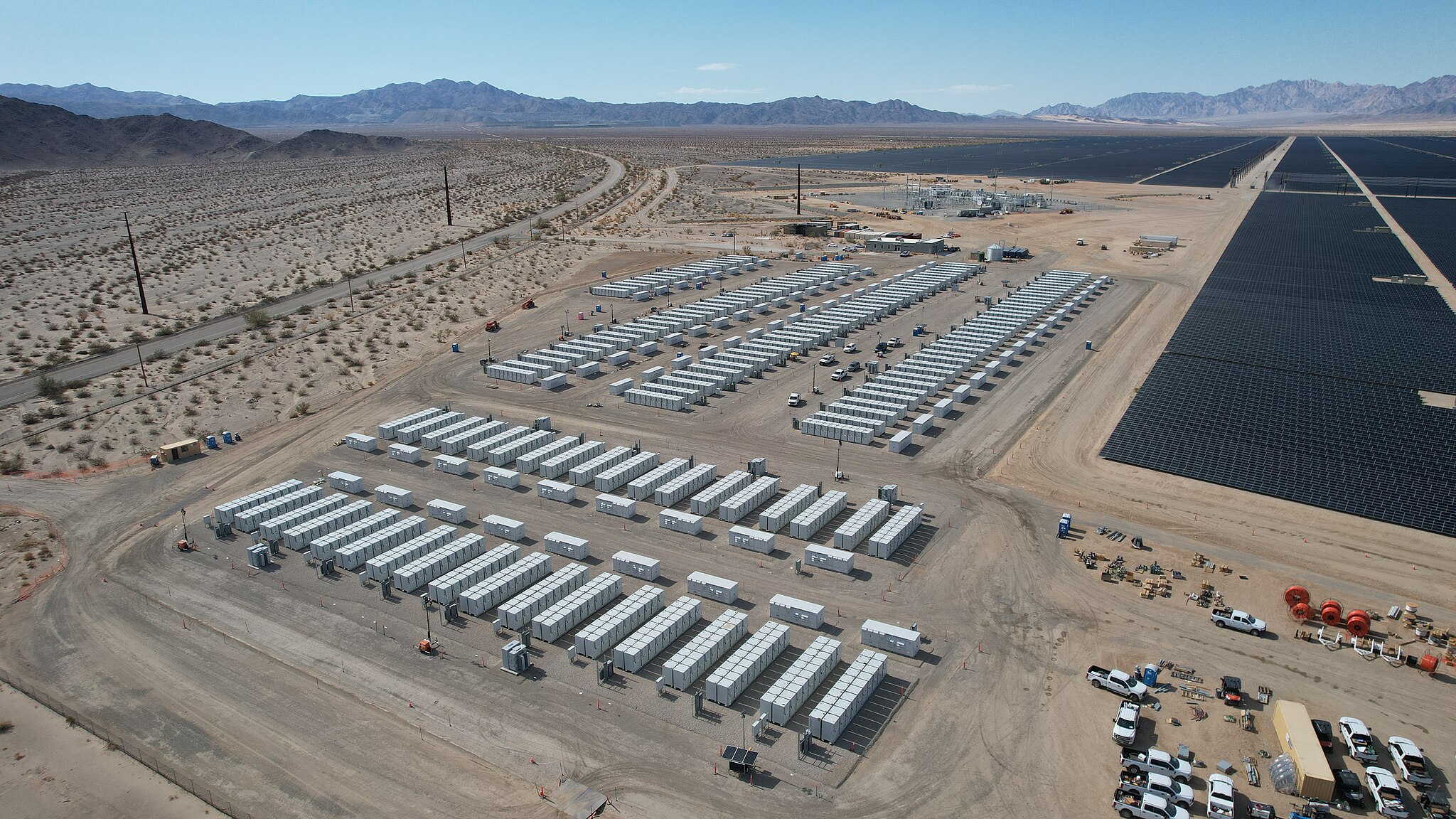
Earlier this fall, California Governor Gavin Newsom enacted the fire safety-focused Senate Bill 283, which is poised to reshape the state’s energy storage deployment and overhaul governmental oversight.
The law, which was put forward following the Moss Landing fire last February, requires developers to meet with local fire authorities before submitting project applications and after installation, aligning project design with safety standards such as NFPA 855.
The bill underscores the growing need to prioritize safety as a key part of energy storage system (ESS) design and operation. According to Lennart Hinrichs, the executive vice president and general manager, Americas, at battery analytics software company TWAICE, it’s also critical for the private sector to recognize that system risks evolve over time.
Reliability often follows a bathtub curve, he explained. Although early issues often stem from defects during manufacturing or controls, potential problems change as a system ages. As they reach 3-8 years of operation, he explained, risks shift toward “degradation-driven” performance issues and safety concerns.
“Preventative maintenance and performance optimization become key success factors,” he told ESS News, as “augmentations, power conversion system replacements or control overhauls are capital- and labor-intensive.”
Coupled with rapid technological innovation and sluggish permitting reviews, “smaller sites may find full repowering more economical than incremental augmentation.”
Still, Hinrichs emphasized that addressing lifecycle risks takes more than just proactive physical safety measures. Predictive analytics and monitoring can play key roles in averting crises before they start. These digital systems can flag early indicators of control system or balance-of-system failures.
For projects already under development, Hinrichs noted that the most immediate challenge that could come from SB 283 lies in documentation rather than redesign.
“The most cost-effective market offerings are containerized solutions, which typically carry UL listings as required in NFPA 855,” he said. Containerized systems can help companies streamline compliance with SB 283, particularly for developers who invest the time and money upfront in documentation and preventative maintenance.
Hinrichs also pointed out that he expects any major disruptions to come from the development of safety documents and procedures, as this was often not required until late-stage development. Even so, the system “design itself should not require major modifications.”
More broadly, SB 283 enforces a consistent safety paradigm across jurisdictions and enables better collaboration with first responders. The bill goes into effect January 1, 2026, giving developers just under two months to align existing and upcoming projects with the state’s enhanced safety expectations. It’s a narrow, but manageable, window.
“Technology providers must design for data transparency, cross-system interoperability and automated compliance reporting,” Hinrichs said, which, if completed, could create a “safe-by-design” ecosystem in California. “The goal is to make early fault detection and containment intrinsic to every system, not an afterthought.”
Written by





Popular Posts