Battery storage participation in Brazil’s capacity auctions could cut costs, says analyst

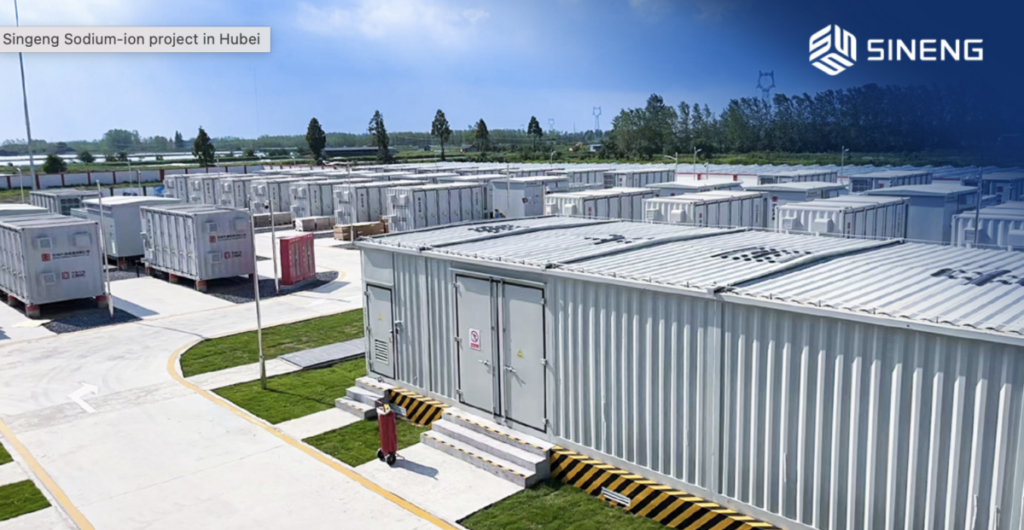
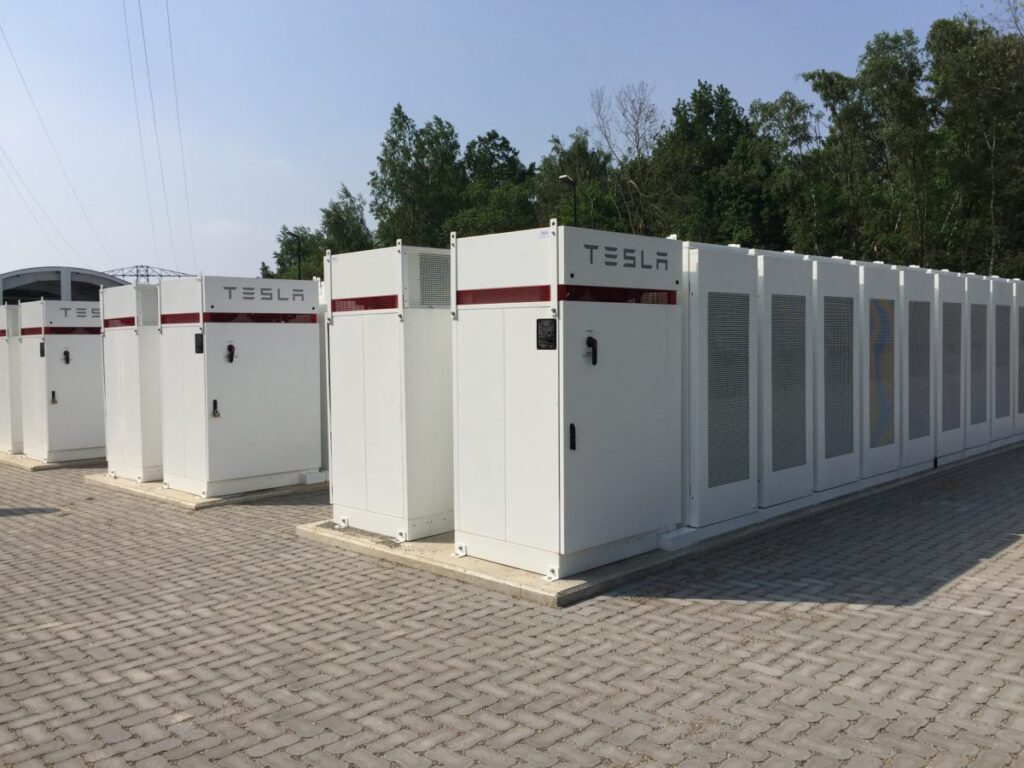
A new study focused on Brazil, from Aurora Energy Research, has found that if battery energy storage systems (BESS) supply 40% of the capacity awarded in Brazil’s future capacity reserve auctions, payments could fall by 14% and emissions by 37%.
In total, 17 recommendations have been made by the analyst group aimed at clearing regulatory obstacles for storage and improving flexibility across Brazil’s power system. It comes after another consultancy suggested energy storage could cut Brazil’s electricity system costs 16% in 2029.
The report says the 2026 auction dedicated to storage needs clear signals for locations that can more clearly assist developers to find where added storage capacity is most valuable. At the moment, price spreads, network tariffs, and other investment cues can conflict, leading storage projects to clusters that are not necessarily the regions under the most stress during peak demand.
Aurora also calls for a revision of grid charges applied to standalone BESS: applying only generator-side tariffs in the near term, rather than charging storage assets as both generators and consumers, could strengthen project economics, reduce the fixed revenue that storage projects request from the system, and reflect Brazil’s emerging regulatory view of storage as an independent power producer. Because generator tariffs tend to be lower in areas close to demand centres, such a change could also help steer storage to the locations with the highest firm-capacity needs. These elements and more are also part of the ongoing political and regulatory discussion in Brazil.
“Our recommendations focus on levelling competition and improving investment signals. Many relate directly to the next capacity auction, such as clarifying which regions should be prioritised so that BESS projects concentrate where firm capacity demand is highest,” said Pedro Luz, senior analyst at Aurora. “Others concern competitive fairness, especially around taxation, which can be up to 30% higher for battery components, and the ongoing debate over double network charges.”
Aurora also modelled the broader impact of BESS on Brazil’s power market. Its analysis suggests a reduction of around R$40 ($ 7.5) per megawatt-hour in the average four-hour daily price spread after 2040, which would create a more stable price environment. Meanwhile, solar projects could capture more than R$20 per megawatt-hour in this scenario, improving their returns. Solar curtailment could fall by up to 46%.
“With record renewable output and growing grid congestion, curtailment has become a daily operational issue. In this environment, BESS emerges as the most viable short-term tool to reduce curtailment, stabilise prices, and provide the flexibility the system needs,” said Rodrigo Borges, Aurora’s head of market development in Brazil.
From pv magazine Brazil.
Written by