Why thermal batteries can’t tap into US wholesale markets

Growing renewable penetration means that, in most US power markets, curtailment and negative pricing are here to stay. Electrochemical batteries are often touted as a potential solution, yet one type of storage remains left at the edge of the conversations: thermal.
Thermal energy storage uses electricity to heat up a storage medium like special ceramics which even have a chemical storage component and can hold energy as heat until it’s ready to be discharged again as electricity or heat. Despite their many potential use cases, thermal batteries are often unable to monetize in the same way as electrochemical batteries. It’s less a problem of performance or economics but one of unfavorable regulations.
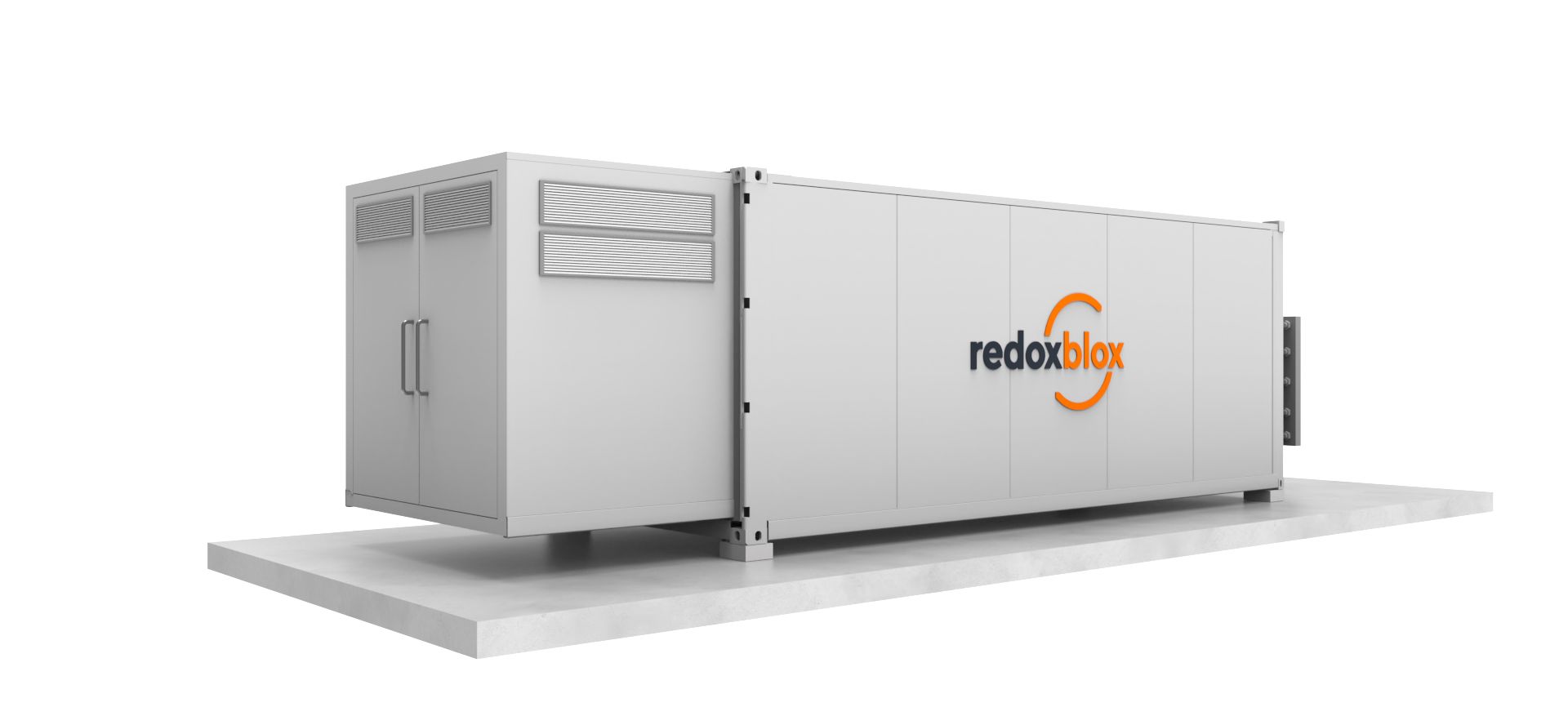
“Because of the Federal Power Act, thermal batteries do not have access to wholesale power prices like many grid-scale lithium-ion batteries do,” Pat Romano, the CEO of thermochemical battery company Redoxblox told ESS News. Thermal batteries are currently treated as passive industrial loads rather than potential grid assets, as they don’t clearly qualify for participation in wholesale markets. “[The Federal Power Act] is outdated. When it was written, thermal batteries did not exist yet.”
He explained that compared to most electrified industrial equipment, thermal batteries operate very differently, given that they can dynamically charge when electricity is at its cheapest or under conditions that would be most grid-favorable.
“One of the great benefits of thermal batteries is that they naturally fill the gaps,” Romano said, pointing out that this is true for the grid and for large load users. Most industrial facilities are not using their maximum grid capacity at all times, he noted, leaving some capacity “wasted.”
“Thermal batteries simply make better use of what is already there, and that lowers cost for everyone that is connected to the grid,” he added. In terms of how projects pencil out for the developer, “the hours per day when electricity is either negative, or below the price of natural gas, are the most important parts of thermal battery economics,”
Still, fast charging is key to actually capturing valuable revenues and can potentially drive the marginal cost of stored heat to zero or negative in certain circumstances. That’s why, in Romano’s eyes, thermal storage could be the solar industry’s soulmate. Regions with high renewable penetration experience sharp wholesale price swings throughout the day, which is already driving down electricity costs for certain periods. Thermal could serve as “the perfect fit” for excess renewables.
Still, despite their flexibility, thermal storage in the US is largely unable to participate in energy arbitrage, ancillary services or other wholesale revenue-earning opportunities that electrochemical batteries routinely access. In many other regions, this isn’t the case: PPAs, direct wires and wholesale market participation can open up monetization.
“In Europe, the markets are fully deregulated,” Romano said, which allows industrial customers and private entities to access wholesale power or PPAs with generators. The US, on the other hand, limits or excludes this due to regulation. Romano expects the continent to deploy thermal storage faster than the US, where electricity regulation remains “the biggest barrier” to scaling the technology.
Industry groups such as the Thermal Battery Alliance are beginning to advocate for updates to federal guidelines that would recognize thermal storage as a legitimate market participant.
Written by





Popular Posts