Brazil’s LRCAP battery auction demand estimated at nearly 3 GW

The second Reserve Capacity Auction (LRCAP) of 2026, held last Friday (March 20), contracted 501.3 MW of capacity from existing thermoelectric plants. Four diesel and fuel oil plants were awarded contracts with supply starting in 2026 and 2027, while two biodiesel plants will begin supplying power in 2030.
The auction, held at the headquarters of the Chamber of Electric Energy Commercialization (CCEE) in São Paulo, complements the tender conducted last Wednesday (March 18), which resulted in the contracting of 19 GW of capacity.
“The capacity contracted over these two days of auctions enhances energy security for Brazilians. This reflects our efforts to ensure that electricity is delivered to households across Brazil in an even more reliable manner,” said Minister Alexandre Silveira.
Last Thursday, experts noted during the Sectoral Agenda event in Rio de Janeiro that the first auction had already secured nearly all the capacity required to meet the ramping needs driven by daily fluctuations in renewable generation.
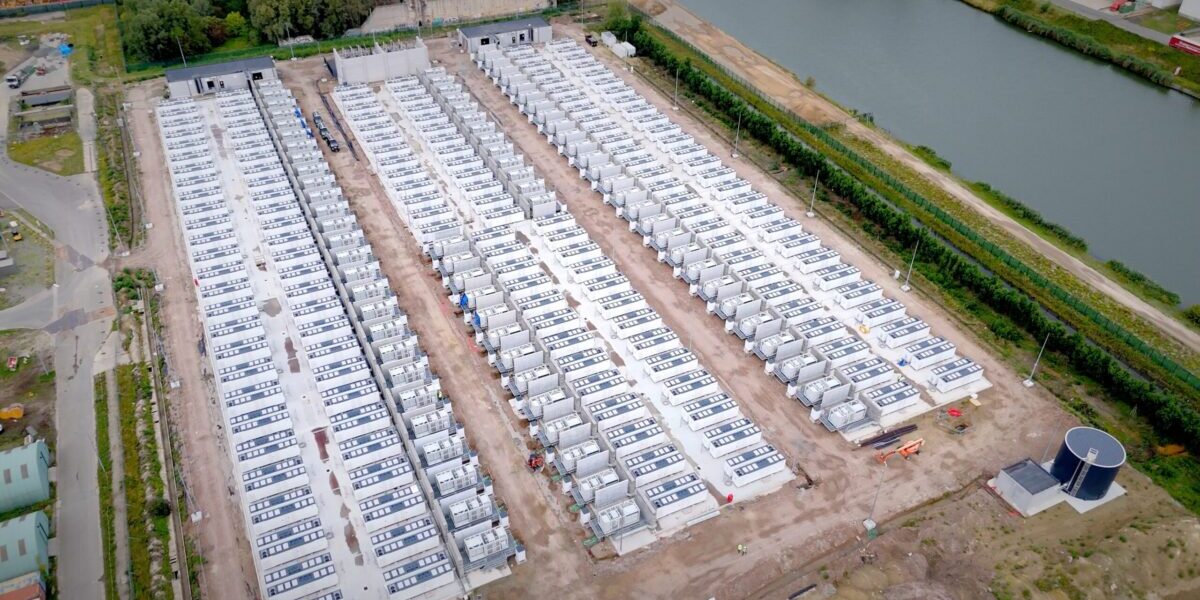
“We initially identified a demand of 23 GW [to be contracted in the 2026 LRCAPs], which could rise to 30 GW with the addition of large loads such as data centers, green hydrogen, and electrification,” said João Carlos de Mello, president of Thymos. With Friday’s auction, a total of 19.5 GW has been contracted across both tenders, leaving an estimated remaining demand of around 3 GW for the LRCAP that will include battery storage systems. The rules for this auction are expected to be published in April.
Batteries are widely viewed by experts as an effective solution to address mismatches between energy supply and demand, as well as a valuable tool for the National System Operator (ONS) and distribution companies. However, it remains unclear whether projects participating in the auction will be permitted to provide services beyond simple capacity availability.
In a statement released last Wednesday following the first LRCAP of 2026, ABSAE indicated that, based on the costs of newly contracted thermoelectric plants, replacing them with battery energy storage systems (BESS) could generate savings of approximately R$1.5 billion ($300 million) per year for each 1 GW of capacity. According to the association, BESS can deliver capacity, flexibility, and control at fixed costs up to 44% lower than the average auction price, provided equivalent contractual conditions are in place.
“BESS and thermal or hydroelectric plants are, of course, distinct solutions for addressing capacity shortfalls, each with its own characteristics. However, in the Brazilian context – marked by high curtailment, risks related to minimum load operation, steep daily ramping requirements, and the potential for deficits concentrated during peak evening hours – there is a clear case for the deployment of energy storage systems,” the association stated.
ABSAE also highlighted the global context of increasing instability in fossil fuel markets, driven by geopolitical tensions and conflicts that continue to affect supply chains and the prices of gas, oil, and coal.
Written by