Ghana plans to procure 200 MW of battery storage

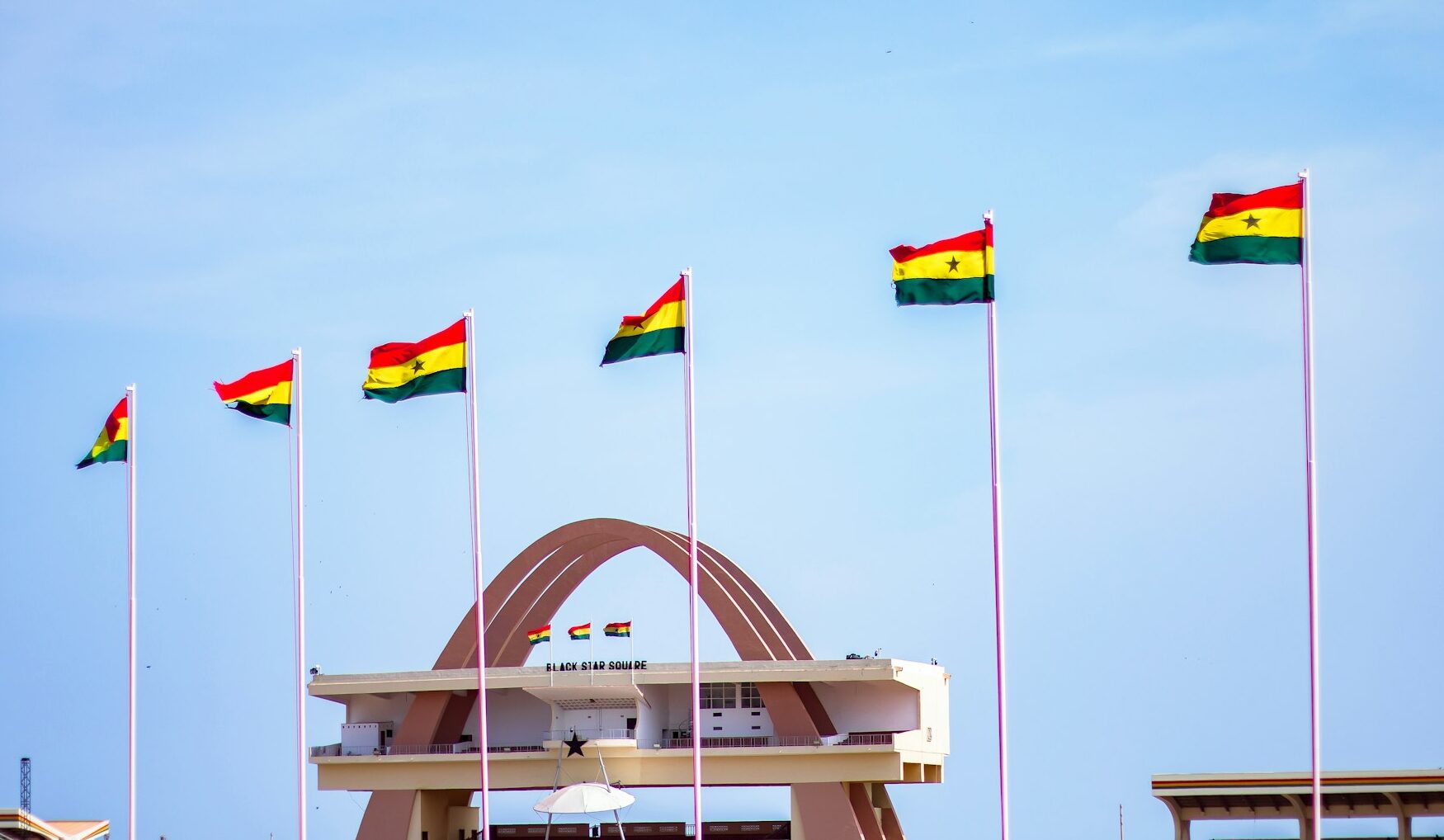
Ghana is planning to procure 200 MW of battery storage projects via competitive bidding processes, the country’s Minister for Energy and Green Transition, John Jinapor, has said.
The country’s state-owned news agency reports that Jinapor made the announcement while speaking in Parliament last week.
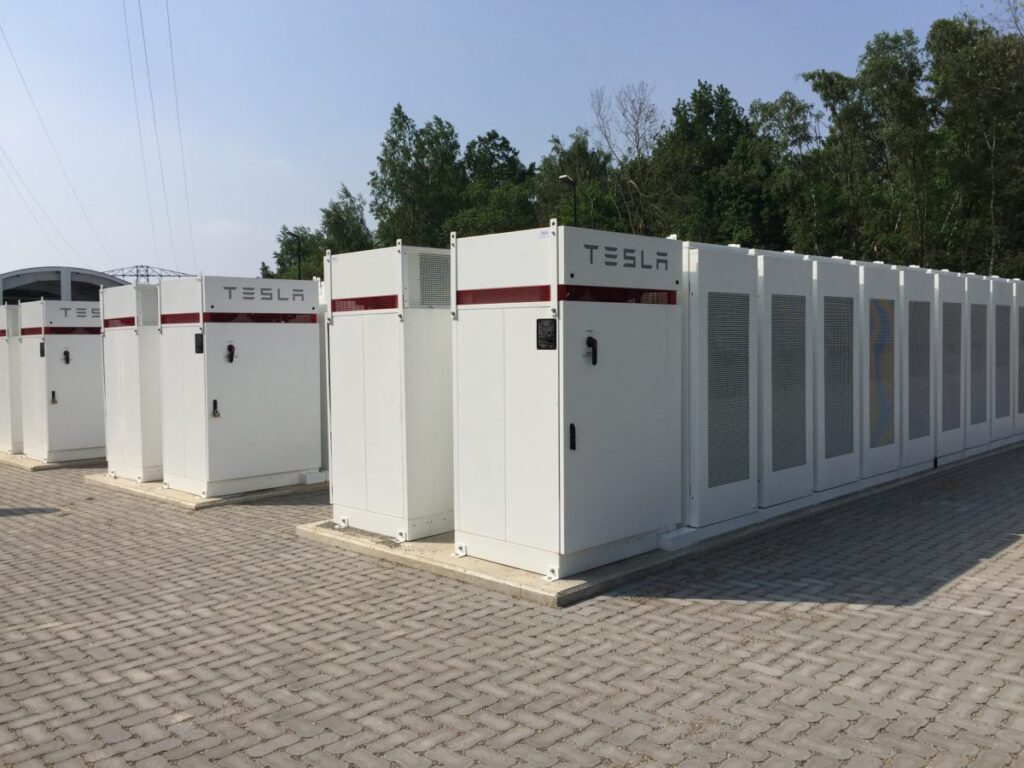
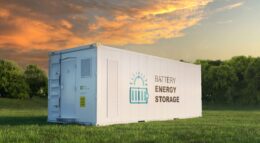
The minister said 200 MW of battery energy storage will be constructed across Ghana in order to increase electricity supply to the national grid during peak demand hours at night time.
He said the capacity would be advertised through competitive bidding processes but further details, including planned locations of the batteries, duration of their storage capacities and a timeline for the rollout, are yet to be made public.
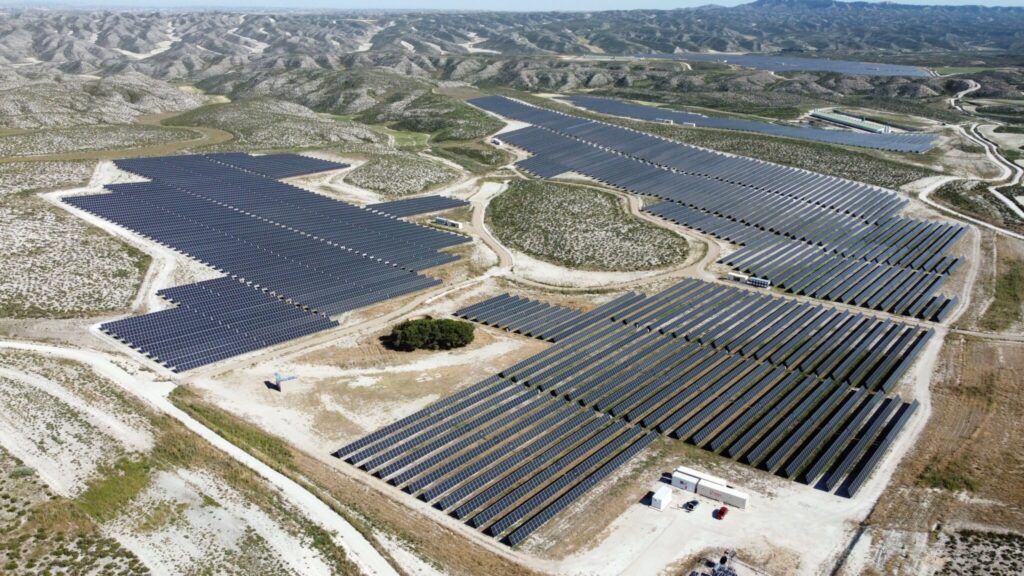
According to figures from the Africa Solar Industry Association (AFSIA), Ghana has installed around 112 MW of utility-scale solar to date, while its installed battery capacity stands at 10 MWh.
“The planned 200 MW procurement therefore signals a shift toward better integrating storage with renewable generation, though it remains to be seen whether the systems will be paired with existing solar projects, future projects, or deployed as standalone grid support infrastructure,” a statement from AFSIA says.
Last March, Jinapor announced Ghana would establish a renewable energy investment fund to support technologies including solar systems for hospitals, public institutions and smaller companies. The country then launched a national programme aiming to deploy 4,000 new rooftop solar systems with a combined capacity of 137 MW in November.
Work began on Ghana’s largest solar project under development, a 200 MW site in the Greater Accra region, towards the end of last year. The first 100 MW is scheduled to come online by the end of this year. The project also has ambitions to scale up to 1 GW by 2032.
Ghana is targeting an electrification rate of 99% by the end of the decade, up from around 89% today, as it works toward reaching 50% of renewable energy generation by 2060.
Written by