Opinion & Analysis
Advertisement
Advertisement
Advertisement
Latest News
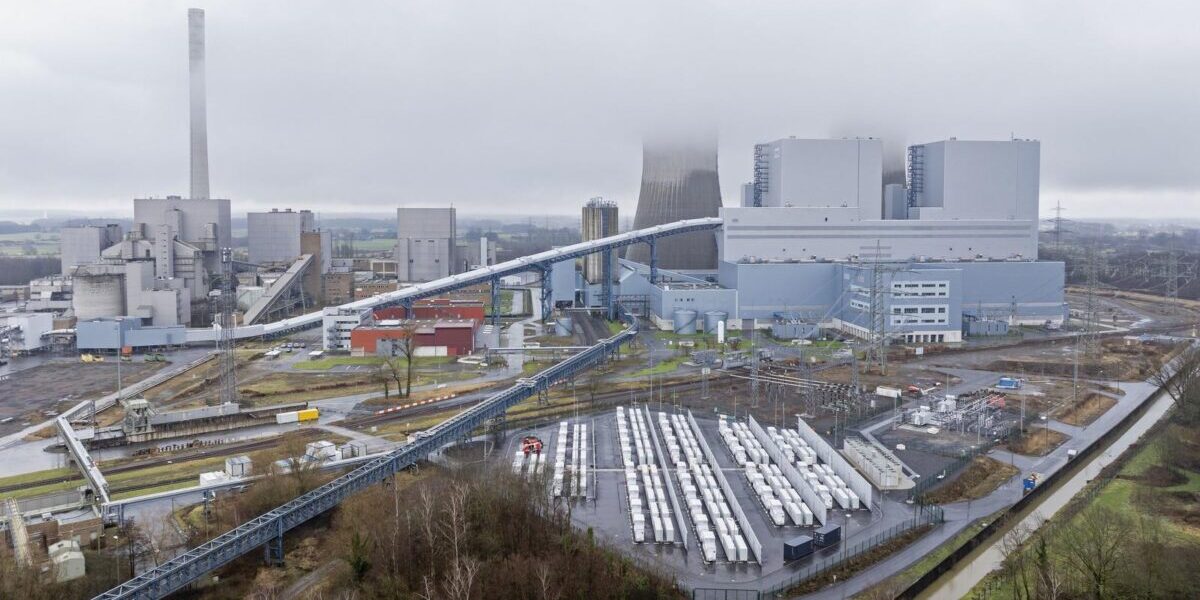
Financial sponsor capital increasingly complements utility investment in battery storage
With BESS now an investable asset class, infrastructure funds are acquiring developer platforms and financing large portfolios to accelerate deployment across Europe. Carlos Candil and Carlo de Haas of Lincoln International are dissecting the trend.
Mar 06, 2026
Advertisement
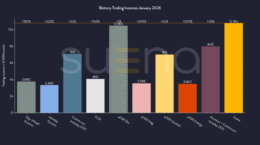
Steady but not static: Battery revenues in January 2026
January brought a largely balanced power system to Germany, with firm winter demand, scarce negative prices, and contained volatility. Yet beneath stable price levels, revenue opportunities shifted across wholesale and balancing markets. Lennard Wilkening, CEO and Co-Founder of suena energy, breaks down how battery optimization performed in this compressed yet still actionable market environment.
Germany’s grid-fee reform threatens energy storage investment
Energy storage systems are indispensable for the German energy system. They increase security of supply, reduce energy costs, and support efficient grid operation. However, investment security is at risk. The AgNes grid fee reform and the elimination of the exemption from grid fees for storage systems are causing investors to hesitate and projects to stall.
Merchant risk and platform value: Batteries move to the core of the energy transition
The combination of regulatory clarity, growing system demands and a range of investment opportunities across a broad spectrum of contracting structures makes BESS an increasingly attractive asset class for financial sponsors across Europe, write Carlos Candil and Carlo de Hassof Lincoln International.
The business case for C&I storage
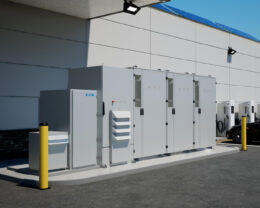
In 2024, European businesses installed roughly 20 GW of commercial and industrial (C&I) solar, but only around 1 GW/2 GWh of C&I battery storage. The gap is striking. Both technologies promise lower energy bills, improved resilience, and decarbonization, but batteries are yet to achieve the same commercial traction that solar enjoys. LCP Delta’s Dina Darshini asks why the gap persists.
From FTM to BTM: The evolving investment case for battery storage
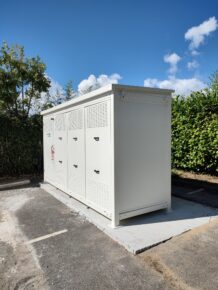
Front-of-the-meter battery energy storage systems (BESS) remain a highly attractive segment particularly for the core plus infrastructure space. That said, Lincoln also sees attractive investment opportunities emerging in the behind-the-meter BESS segment with the potential to deliver superior returns, write Carlos Candil and Carlo de Hass.
A calm end to 2025, with flexibility still paying off
December closed out 2025 in Germany with a well-balanced power system, and the lowest battery revenues of the year. Fewer price signals, flatter load curves, and softening reserve prices tested the limits of single-market strategies. Lennard Wilkening, CEO and co-founder of suena energy, breaks down what defined the month and what it means heading into 2026.





Advertisement
All Opinion & Analysis news
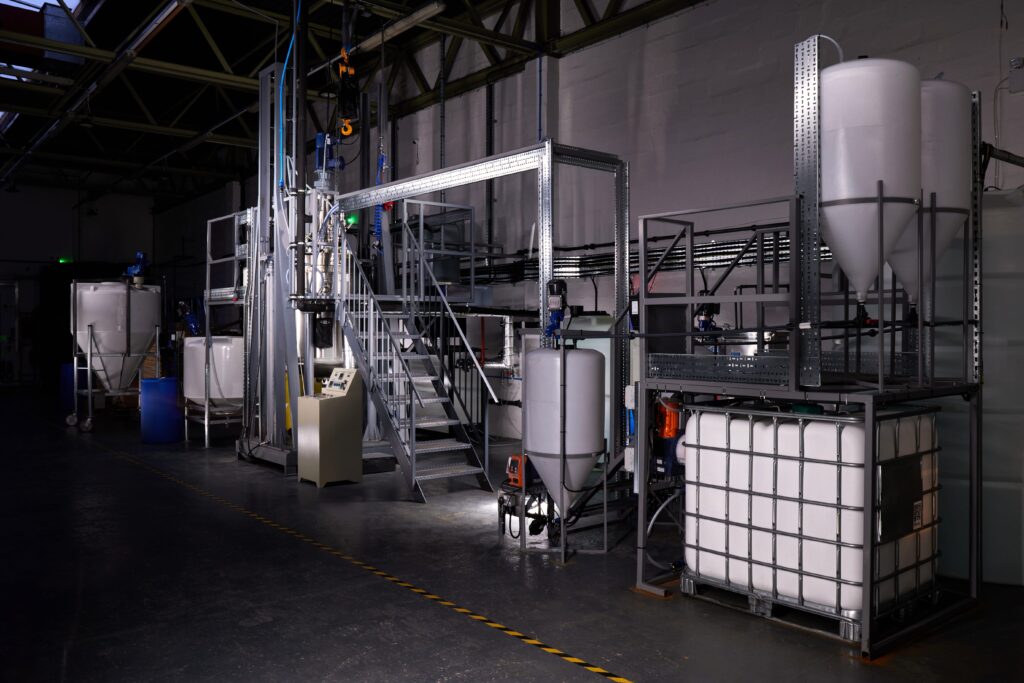
Securing Europe’s battery future: Why China’s LFP export ban must be a catalyst for action
China’s recent decision to restrict exports of lithium iron phosphate (LFP) and lithium manganese iron phosphate (LMFP) battery cathode active material technology is more than just a trade move, or only the latest play in an escalating geopolitical game of tariffs and counter-tariffs. It’s nothing less than a wake-up call to energy, mobility, and defence sectors across the globe. For too long, much of the world has operated under the assumption that access to critical battery materials and know-how would remain open and uninterrupted. That illusion is now being shattered, writes Behnam Hormozi.
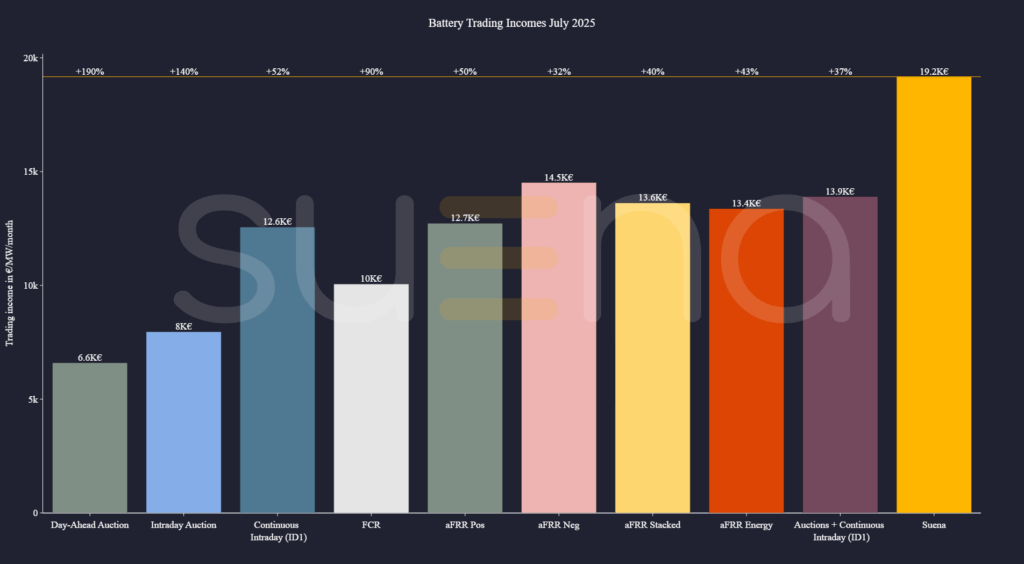
Profitability in quieter markets: what July revealed about battery strategy
After two record-breaking months for battery storage revenue in Germany, July brought a sharp shift: fewer price spikes, softer ancillary markets, and a steep drop in arbitrage opportunities. Drawing on Suena Energy’s latest monthly benchmark, the company's CEO and co-founder, Lennard Wilkening, unpacks the July revenue dip, what it signals about shifting market regimes, and why dynamic, multi-market optimization remains essential – especially when volatility fades.
Advertisement
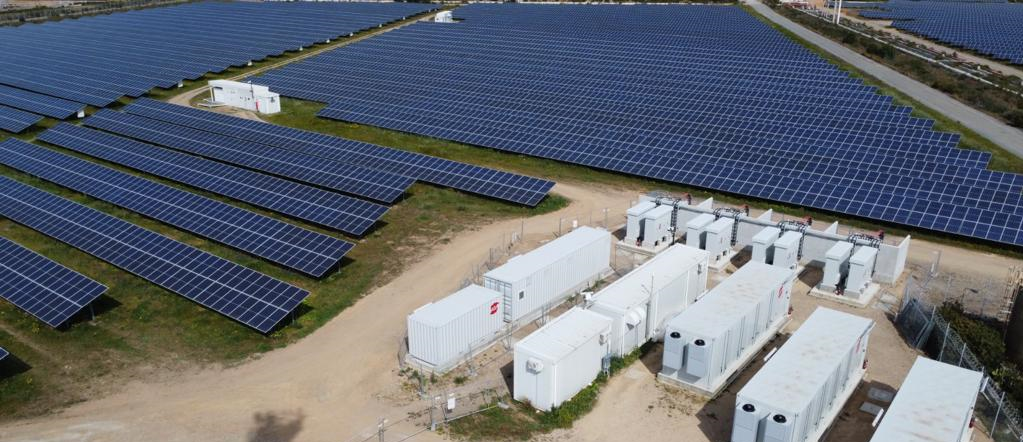
It’s high time for an EU Battery Storage Action Plan
Global deployment of battery energy storage systems (BESS) is accelerating at an unprecedented pace – with world installations projected to expand swiftly in the coming years. While the European Union experienced a sluggish growth in BESS deployment in 2024, it is poised for a bounce back in 2025. However, absent bold and decisive policymaking, the EU risks falling considerably short of the scale required to meet its climate and energy targets, writes Antonio Arruebo, market analyst at Solar Power Europe.
From factory to field: How energy storage innovations are responding to Europe’s C&I segment
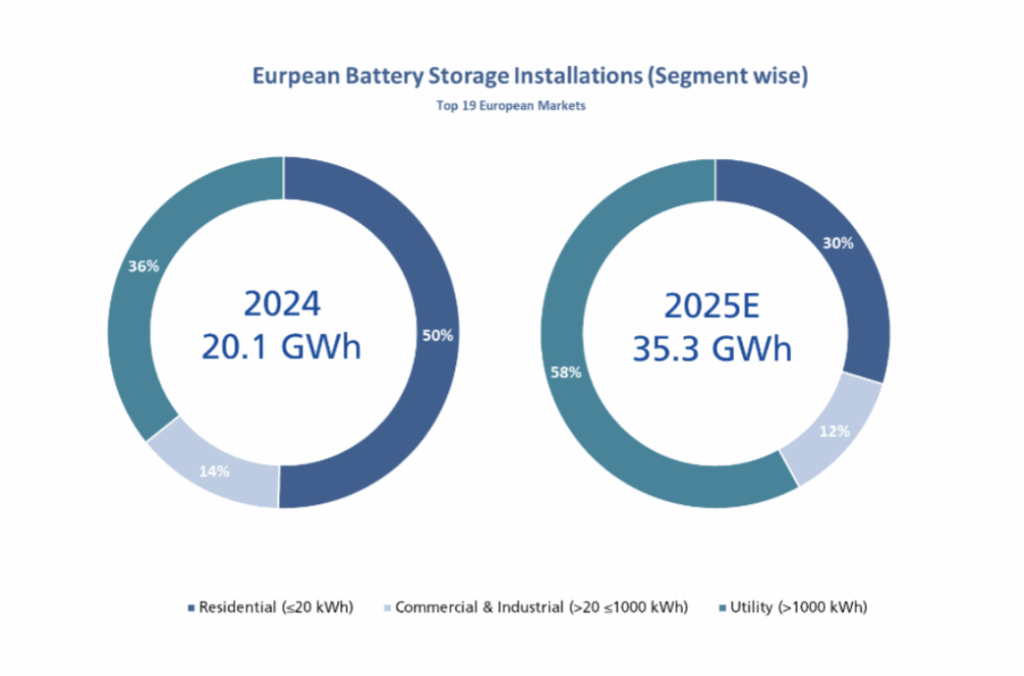
The growth of the commercial and industrial (C&I) segment in Europe’s energy storage market is driving new investment opportunities. Bonn-based EUPD Research has explored what this growth means for both manufacturers and investors, as well as how manufacturers are addressing the needs of C&I installers and customers.
Advertisement

Why the strategy is key: Lessons from real-world benchmarks
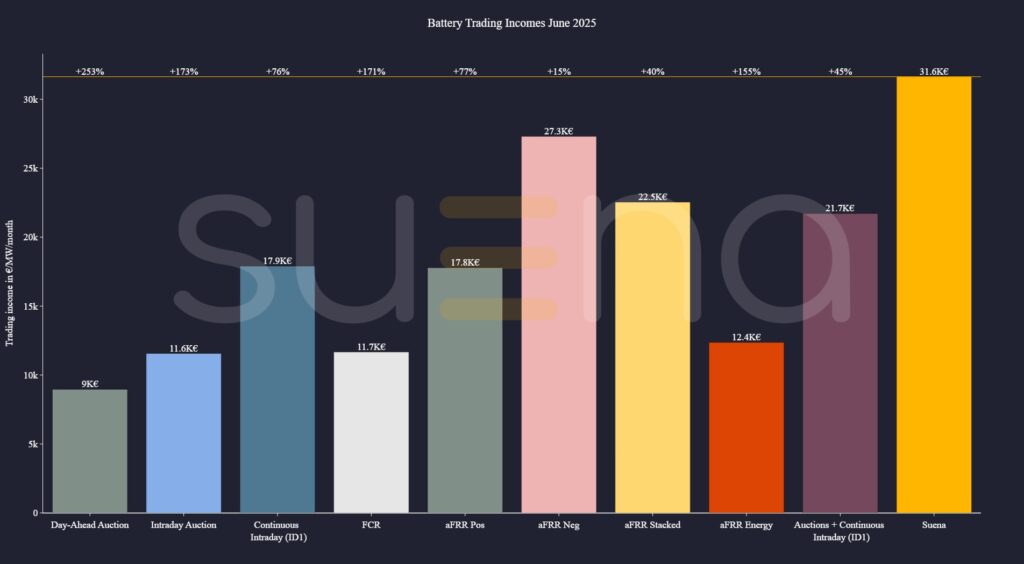
Maximizing value from battery energy storage systems (BESS) isn’t just about having the right hardware – it’s about executing the right strategy. Lennard Wilkening, CEO and co-founder of Germany's suena energy, explores what makes standalone BESS profitable in increasingly competitive and volatile market, and what real-world benchmarks, such as suena’s monthly revenue update, reveal about the role of dynamic multi-market optimization.
Advertisement