Opinion & Analysis
Advertisement
Advertisement
Advertisement
Latest News

Batteries: The game has changed – and it’s not what you think
A single benchmark no longer exists. In some cases, charging speed is what matters; in others, it is energy density, and in still others, cost and scalability. In other words, the battery is ceasing to be a simple component. It is becoming the transversal energy infrastructure of the next industrial cycle. And those who can control not only the technology but also production, integration, and the grid will have an advantage that will be difficult to recover.
Apr 30, 2026
Advertisement
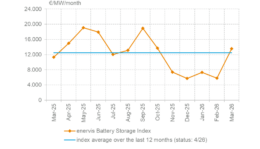
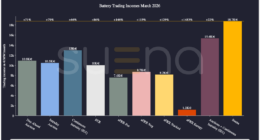
Volatility returns: Battery revenues in March 2026
March saw a sharp rebound in battery revenues in Germany. While average price levels increased only moderately, shifting dynamics between solar-driven price troughs and fossil-driven peaks created a more favourable trading environment. Lennard Wilkening, CEO and co-founder of suena energy, analyses what defined the month and why cross-market strategies proved particularly effective.
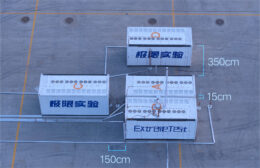
From patchwork to harmony: The case for aligning standards in energy storage
Improving safety and security does not require lowering standards, but it does require aligning them. This is where an industry-led approach – one that brings together manufacturers, developers, validators and insurers – comes in, writes Ken Stewart, senior manager ESS at Sungrow Europe.
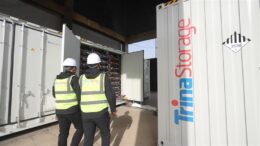
Why system-level fire testing is becoming the new benchmark for grid-scale BESS safety
As utility-scale battery energy storage systems continue to be deployed across Australia’s National Electricity Market, fire risk assessment is rapidly shifting from a compliance exercise to a core project viability consideration. For developers, asset owners, insurance considerations and regulators, the key question is no longer whether systems meet component certification standards, but how complete BESS systems behave under severe real-world conditions.
The return of negative prices: Battery revenues in February 2026
February began with familiar winter stability, but ended with the return of negative prices driven by solar feed-in. As market dynamics started to shift, battery revenues reflected both compression and emerging new opportunities. Lennard Wilkening, CEO and Co-Founder of suena energy, explores what defined the month and what it signals for spring.





Advertisement
All Opinion & Analysis news

Batteries: The game has changed – and it’s not what you think
A single benchmark no longer exists. In some cases, charging speed is what matters; in others, it is energy density, and in still others, cost and scalability. In other words, the battery is ceasing to be a simple component. It is becoming the transversal energy infrastructure of the next industrial cycle. And those who can control not only the technology but also production, integration, and the grid will have an advantage that will be difficult to recover.
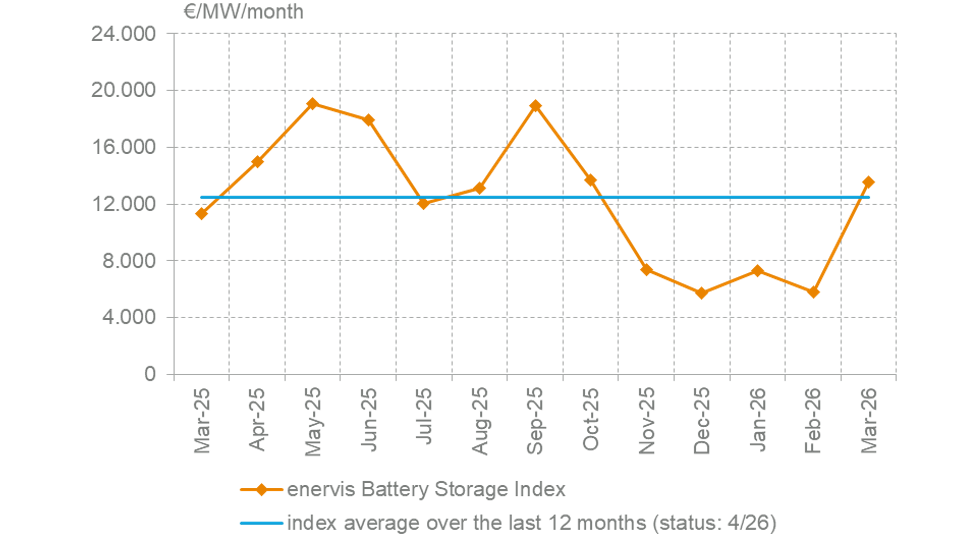
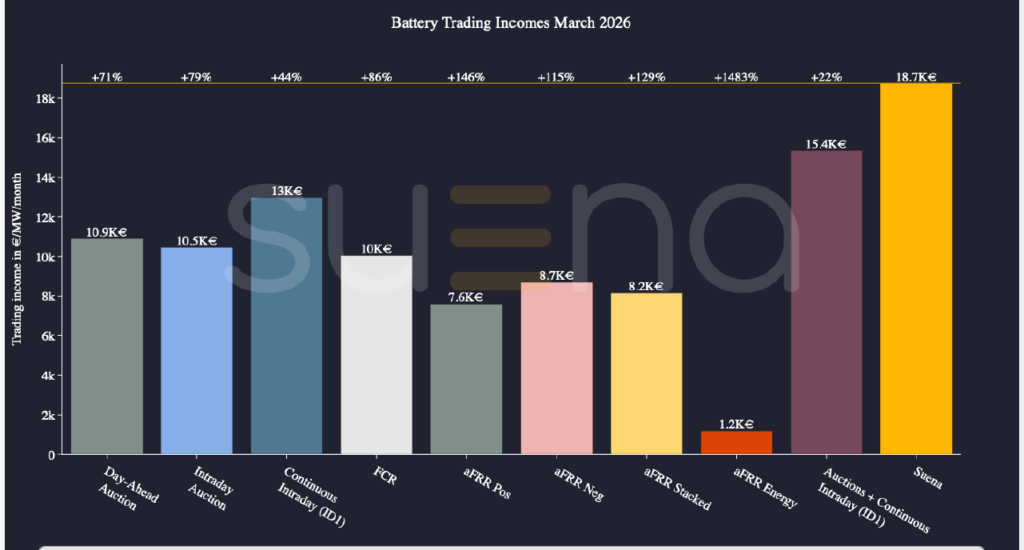
Volatility returns: Battery revenues in March 2026
March saw a sharp rebound in battery revenues in Germany. While average price levels increased only moderately, shifting dynamics between solar-driven price troughs and fossil-driven peaks created a more favourable trading environment. Lennard Wilkening, CEO and co-founder of suena energy, analyses what defined the month and why cross-market strategies proved particularly effective.
Advertisement
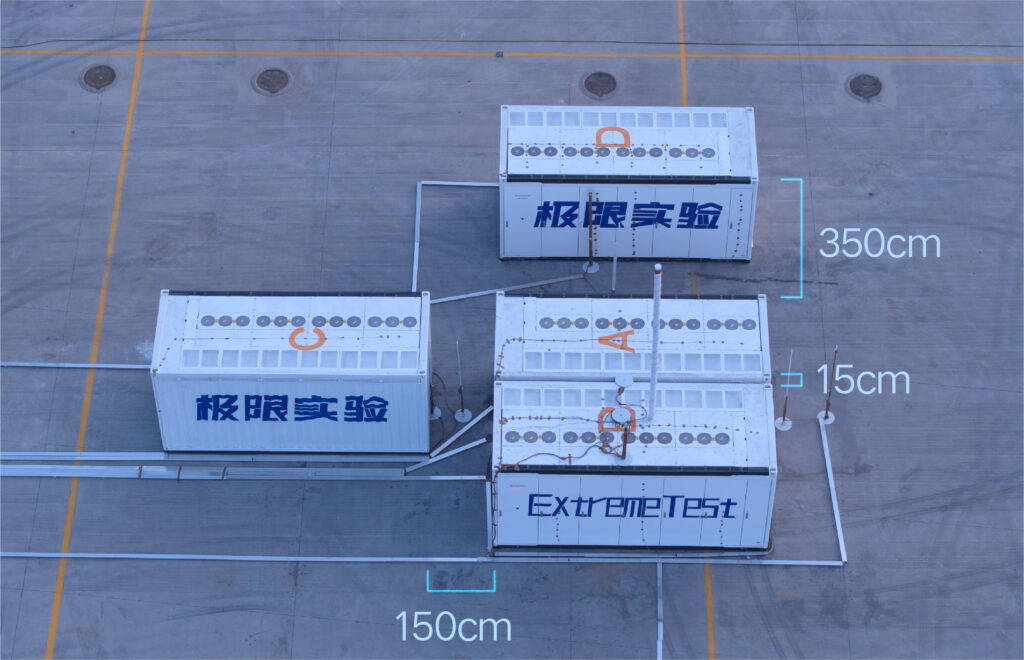
From patchwork to harmony: The case for aligning standards in energy storage
Improving safety and security does not require lowering standards, but it does require aligning them. This is where an industry-led approach – one that brings together manufacturers, developers, validators and insurers – comes in, writes Ken Stewart, senior manager ESS at Sungrow Europe.
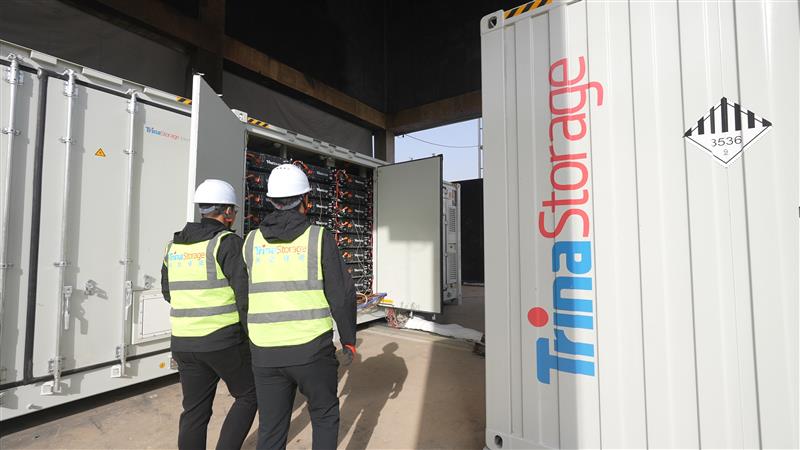
Why system-level fire testing is becoming the new benchmark for grid-scale BESS safety
As utility-scale battery energy storage systems continue to be deployed across Australia’s National Electricity Market, fire risk assessment is rapidly shifting from a compliance exercise to a core project viability consideration. For developers, asset owners, insurance considerations and regulators, the key question is no longer whether systems meet component certification standards, but how complete BESS systems behave under severe real-world conditions.
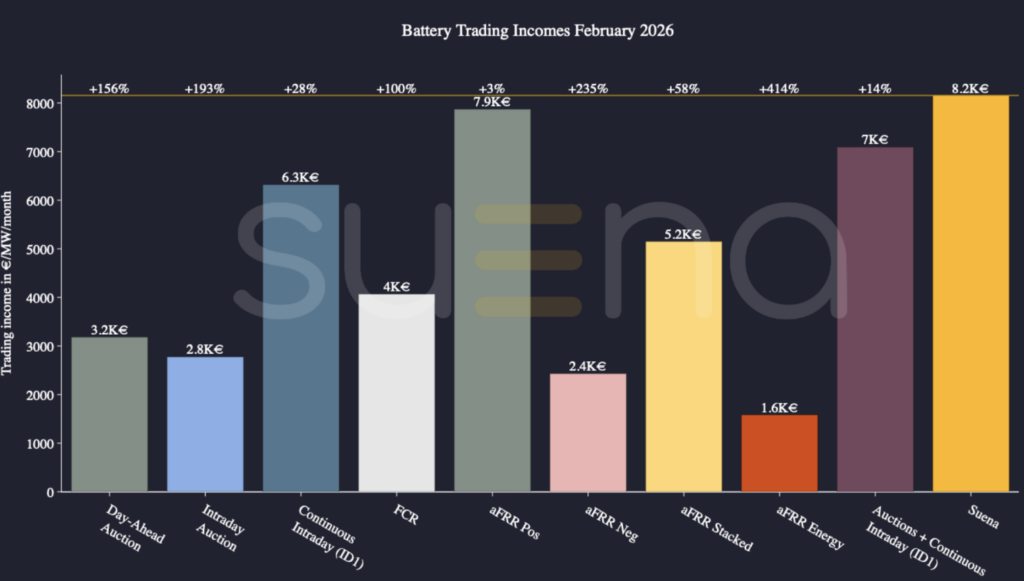
The return of negative prices: Battery revenues in February 2026
February began with familiar winter stability, but ended with the return of negative prices driven by solar feed-in. As market dynamics started to shift, battery revenues reflected both compression and emerging new opportunities. Lennard Wilkening, CEO and Co-Founder of suena energy, explores what defined the month and what it signals for spring.
Advertisement
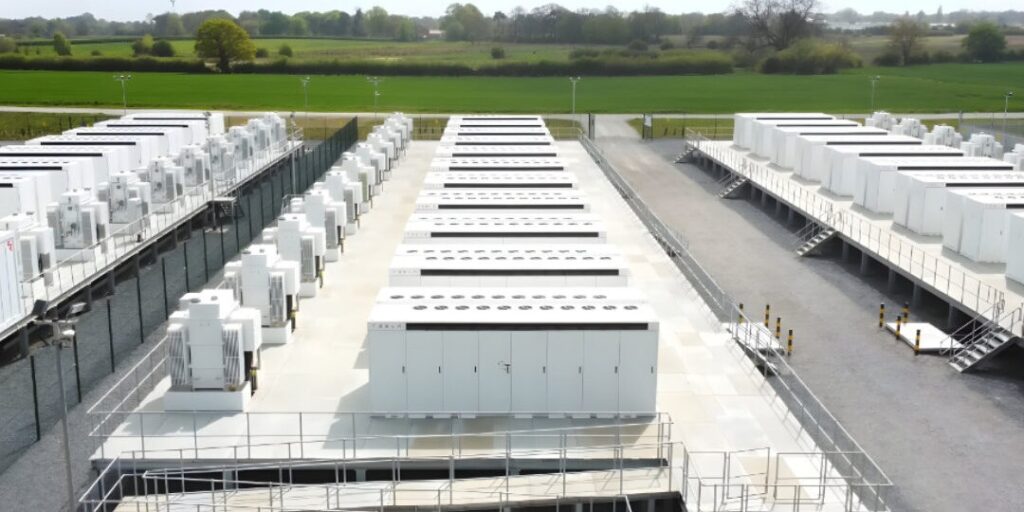

Financial sponsor capital increasingly complements utility investment in battery storage
With BESS now an investable asset class, infrastructure funds are acquiring developer platforms and financing large portfolios to accelerate deployment across Europe. Carlos Candil and Carlo de Haas of Lincoln International are dissecting the trend.
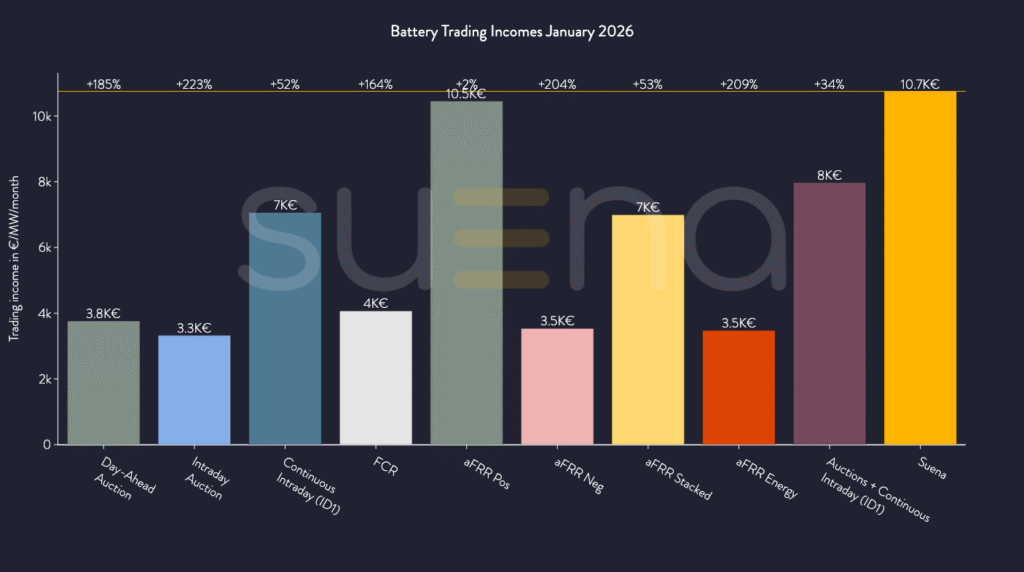
Steady but not static: Battery revenues in January 2026
January brought a largely balanced power system to Germany, with firm winter demand, scarce negative prices, and contained volatility. Yet beneath stable price levels, revenue opportunities shifted across wholesale and balancing markets. Lennard Wilkening, CEO and Co-Founder of suena energy, breaks down how battery optimization performed in this compressed yet still actionable market environment.
Advertisement