Financial close for 336 MWh of Lithuanian batteries

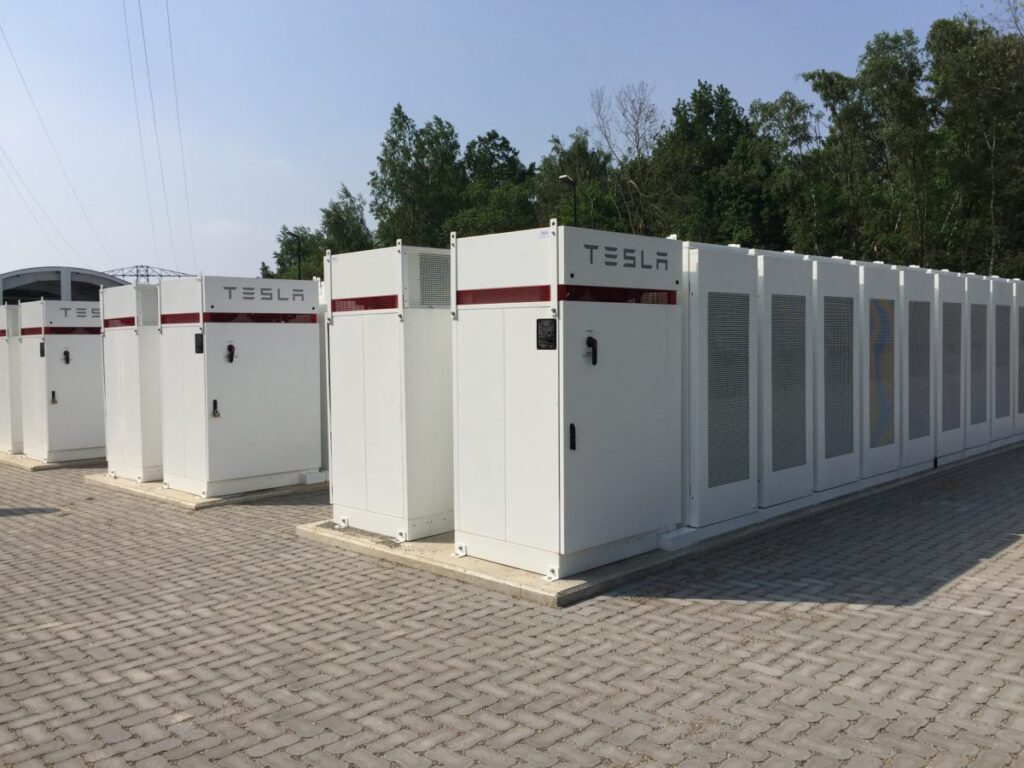
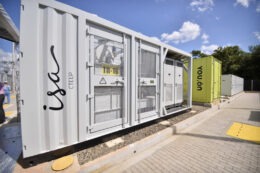
Domestic developer Green Genius said Wednesday it has secured €25.3 million from the Swedbank Lietuvoje Baltic unit of the Swedish lender, for a planned 49 MW/196 MWh BESS. That announcement came two days after Finnish energy storage company Olana Energy revealed a final investment decision on its first foreign project: a 70 MW/140 MWh BESS planned for Šalčininkai.
As mentioned by Olana, Lithuania – and Baltic neighbours Latvia and Estonia – have had their grids decoupled from the Russian electricity network, prompting a scramble by Baltic governments to shore up their energy supply and feeding “strong demand for energy storage projects in the region,” according to Helsinki-based Olana.
The Finnish company said its first foreign BESS is due online in the final quarter of next year and will provide frequency reserve and reserve capacity to the Lithuanian grid. The company claims to have 25 MW of BESS capacity in its homeland and a 1 GW-plus development pipeline at home and abroad.
Green Genius – part of Lithuanian renewables-to-autos business Modus Group – announced on its LinkedIn social media account that its BESS would be next to “our wind park:” likely the 80 MW wind farm the company is developing in the Jurbarkas region of western Lithuania.
The Lithuanian government last month revealed an initial €102 million procurement round that was held in February, to secure 800 MWh-plus of energy storage by 2028, had attracted more than 50 bids for projects worth more than €197 million, prompting the Ministry of Energy to allocate an additional €37.33 million for procurement, in July.
The government has since stated an ambition to procure 1.7 GW/4 GWh of energy storage – worth more than €840 million – and said in August another procurement round would be held “soon.”
With eligible projects ranging from 30 MWh to 300 MWh in scale, government subsidy is available to cover up to 30% of eligible costs although there is a €150,000 per megawatt-hour of storage capacity cap and the ministry expects public money will end up covering an average 14.7% of costs. That would leave taxpayers footing a bill of around €123 million.
Written by