Romania’s grid operator publishes rules for capacity auctions

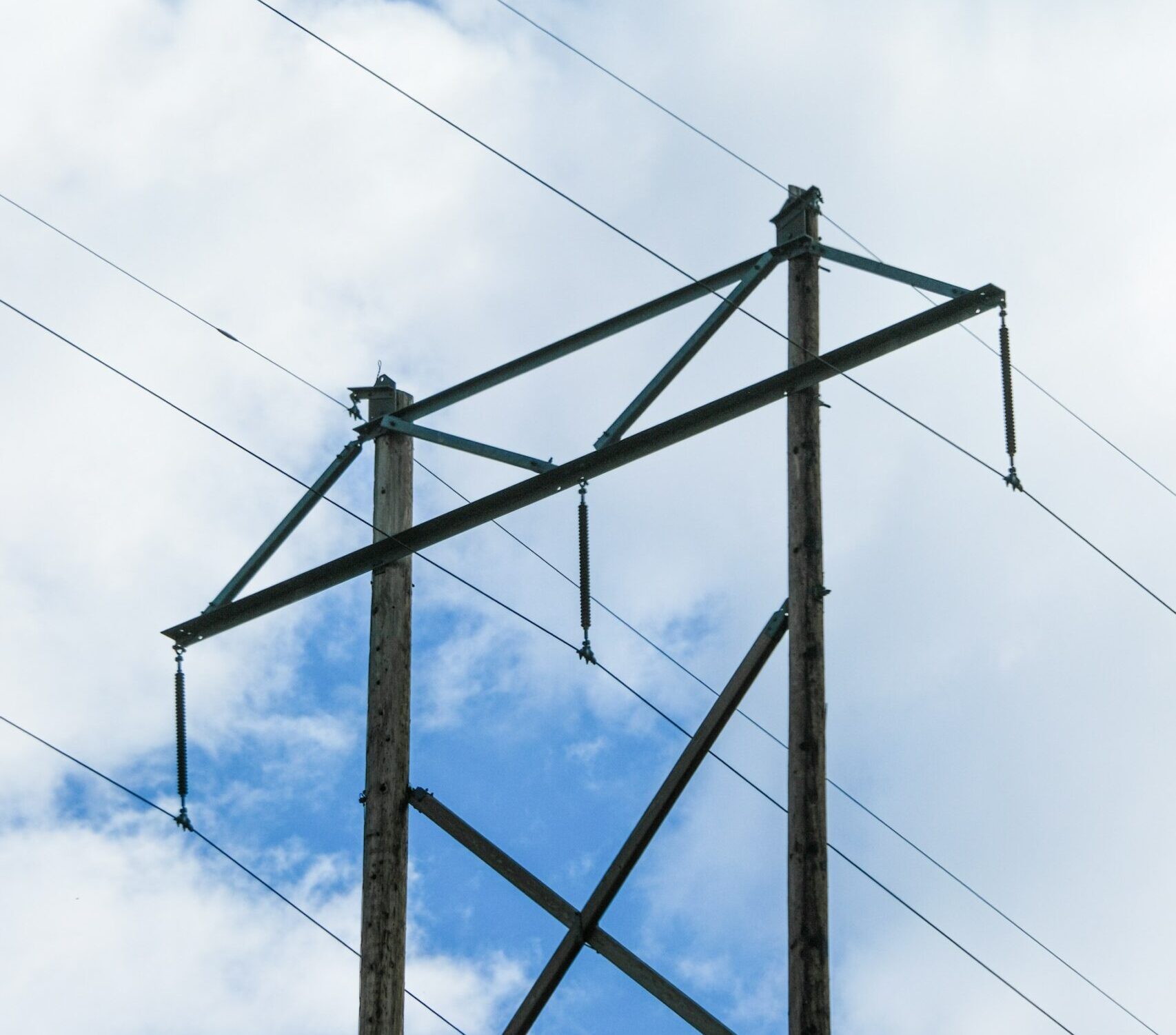
Romania’s transmission and system operator (TSO), Transelectrica, has published an implementation procedure for allocating grid connection capacity in Romania‘s forthcoming auction-based grid connection mechanism.
From the beginning of next year, all new generation and energy storage facilities of 5 MW or more will be required to secure grid access via annual auctions. The Romanian Energy Regulatory Authority (ANRE) adopted the methodology for the yearly auction process in mid-2024, in a bid to manage grid congestion and prevent speculative projects.
Under ANRE’s framework, Transelectrica was required to prepare the implementation and procedure for the auction platform. Analysis by Bucharest-based law firm Nyerges & Partners explains that auctions will be organized annually, covering a 10-year allocation period beginning two years after the auction.
An indicative timeline explains that by January 15 of each year, Transelectrica will undertake the first stage of a solution study by outlining the available capacity by grid zone – across 400 kV, 220 kV and 110 kV levels – that does not require grid development works.
Investors will then be invited to submit bids for the allocated capacities between January 19 and the end of February, ahead of Transelectrica publishing a list of complete bids by March 15.
Transelectrica will then complete the second stage of the study by identifying any necessary development works for all bids by June 15. It will then publish the results of the study, including the total capacity requested by investors, the available capacity with and without development works, auction starting prices and planned auction dates.
From July 1 onwards, daily auction sessions organized for each year of the 10-year allocation period will take place. Transelectrica will deliver signed allocation contracts to successful bidders within five business days after an auction, with the successful bidder required to submit signed contracts and the performance bond – worth 1% of the auction starting price multiplied by the bid capacity – within five days of receipt.
Nyerges & Partners told ESS News that in scenarios where all bids fit within the available capacity that does require grid development works, all bids will be accepted, no auction price will be due, and unallocated capacity will be carried over to the following year.
In cases where the total bids exceed the available capacity not requiring development works, but fall within the capacity that requires development works, all bids will be accepted, an auction starting price will be due, and any unallocated capacity will be carried over to the following year.
If the total bids exceed the available capacity that requires development works, then bids will be accepted by descending order of bid price within the available capacity limits and a bid price will be due.
In cases where total bids exceed the capacity not requiring development works, and no development works are available in the respective allocation year, future development works will be used to determine the available capacity and bids will be accepted in descending order of prize.
Under the final two scenarios, any bidders that are rejected will be able to choose between securing capacity in the next allocation year against the bid price, participating in the next year’s auction, or withdrawing.
Nyerges & Partners’ analysis adds that it seems that no dedicated auction platform will be developed, with the auction instead conducted via e-mail and Transelectrica’s website.
Mihaela Nyerges, the law firm’s managing partner, told pv magazine that the new auction system provides greater predictability around the grid development works required for connection, while strengthening the accountability of grid operators in completing these works on time.
“This represents a significant improvement over the current framework, which offers no clear accountability for the timely execution of development works included in grid operators’ plans and leaves substantial uncertainty around the completion of works not covered by any such plans,” Nyerges explained.
But Nyerges added that several concerns remain, including the possibility that the auction timeline may not align with broader project development milestones, potentially increasing investor risk, as well as uncertainties around the coordination of the auction within the wider grid connection process.
“Auction prices may exceed the actual cost of the required development works and could cover elements rendered redundant after other [grid connection permits] expire, as there is no recalculation mechanism in place,” Nyerges said. “Limited grid access during the early years of implementation also poses a risk, reflecting the constraints of available capacity.”
Written by





Popular Posts