Brazil adopts legal framework for battery storage

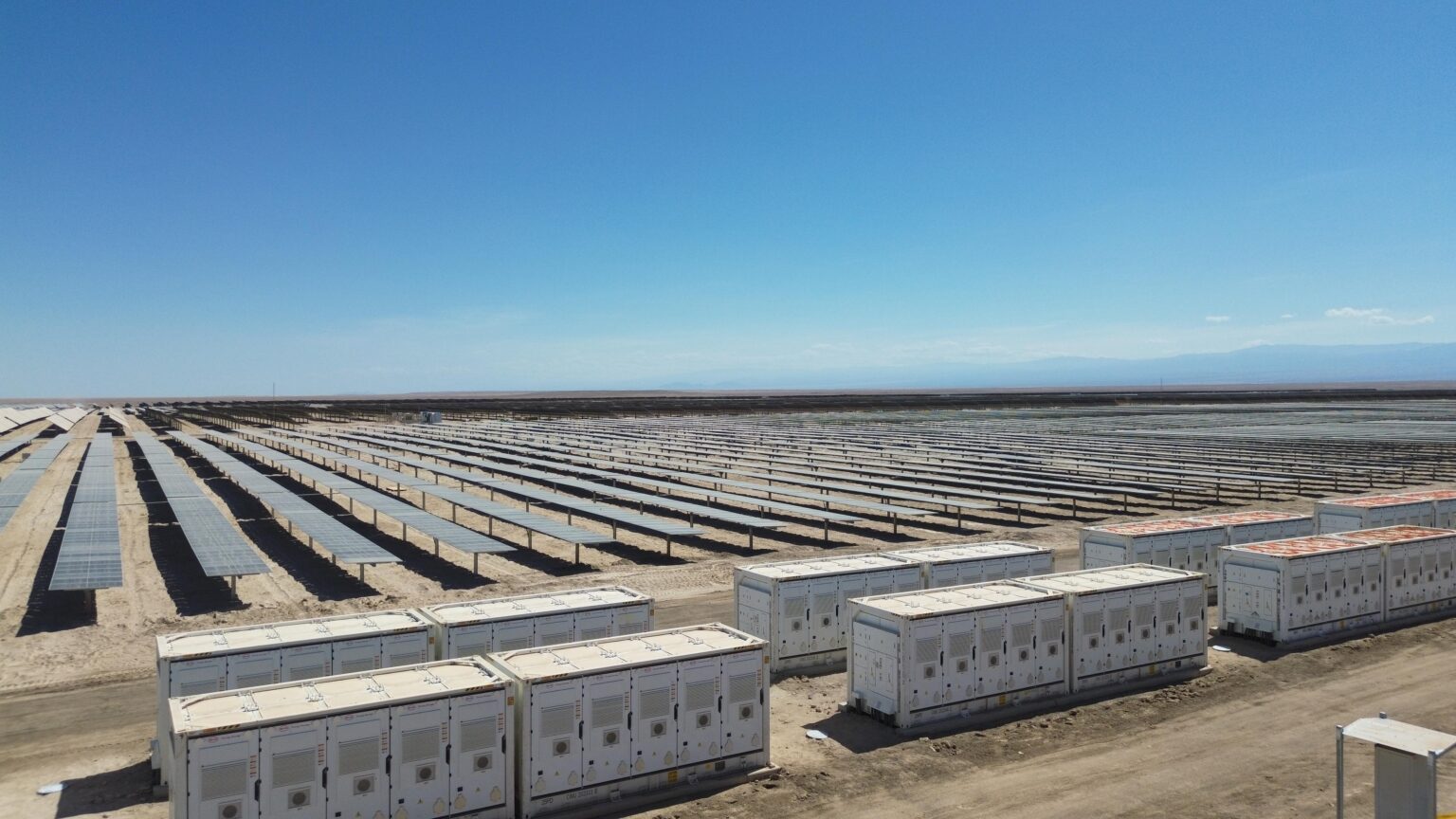
Brazil has introduced a series of regulations and incentives for battery energy storage systems (BESS) published under Law 15.269 on November 25.
The law outlines electricity storage as an independent entity to be regulated by Aneel, Brazil’s electricity regulatory agency, alongside production, transmission, distribution and commercialization activities.
It stipulates that the regulation of storage may involve autonomous operation or integration via licenses for the generation, commercialization, transmission and distribution of electricity. It also highlights storage’s role in providing multiple services to the electrical system, including power, ancillary services and energy commercialization.
Under the terms of the law, Aneel has the authority to establish requirements for control, capacity, flexibility, and energy storage as conditions for energy generators to access transmission and distribution systems. Until such requirements are met, energy generators must participate in the cost-sharing of contracted reserve energy payments, along with end consumers and self-producers of energy.
The law also maintains that the associated costs of contracted reserve energy from storage systems and batteries are held exclusively by the generators, not final users. This differs from other energy sources, where reserve energy is paid for by all end users of energy connected to Brazil’s primary electricity grid SIN, including free consumers and self-producers.
Law 15.269 also introduces incentives for BESS, via inclusion in the Special Incentive Regime for Infrastructure Development (Reidi) from January 2026 until December 2030. The tax exemption, which will be limited to BRL 1 billion ($186.1 million) annually, will in practice exempt projects from federal taxes including PIS/PASEP and COFINS payments on contracted services and the import of machinery and supplies.
The third paragraph of Article 2-A in the law leaves room for interpretation that new distributed generation systems may only be eligible for inclusion in the Reidi scheme if they include energy storage. “Solar energy generation systems, including micro and mini-distributed generation, eligible for the benefit referred to in Article 1, must provide for chemical energy storage systems, as defined in the regulations,” the text states.
Elsewhere, the law has also reduced the import tax rates for BESS and its components to zero.
Wider reforms introduced by Law 15.269 structure the opening of Brazil’s free electricity market, with a phased scheduling over the coming years. Commercial and industrial consumers will be allowed to migrate to the free market, regardless of the voltage to which they are connected, beginning November 2027, while all other consumers, including residential customers, will be allowed to move over and choose their own supplier from November 2028, or 36 months after the publication of the law.
From pv magazine Brazil
Written by



Popular Posts