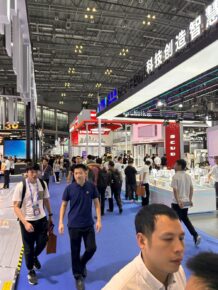
CATL locks $17 billion battery material deal as lithium prices soar

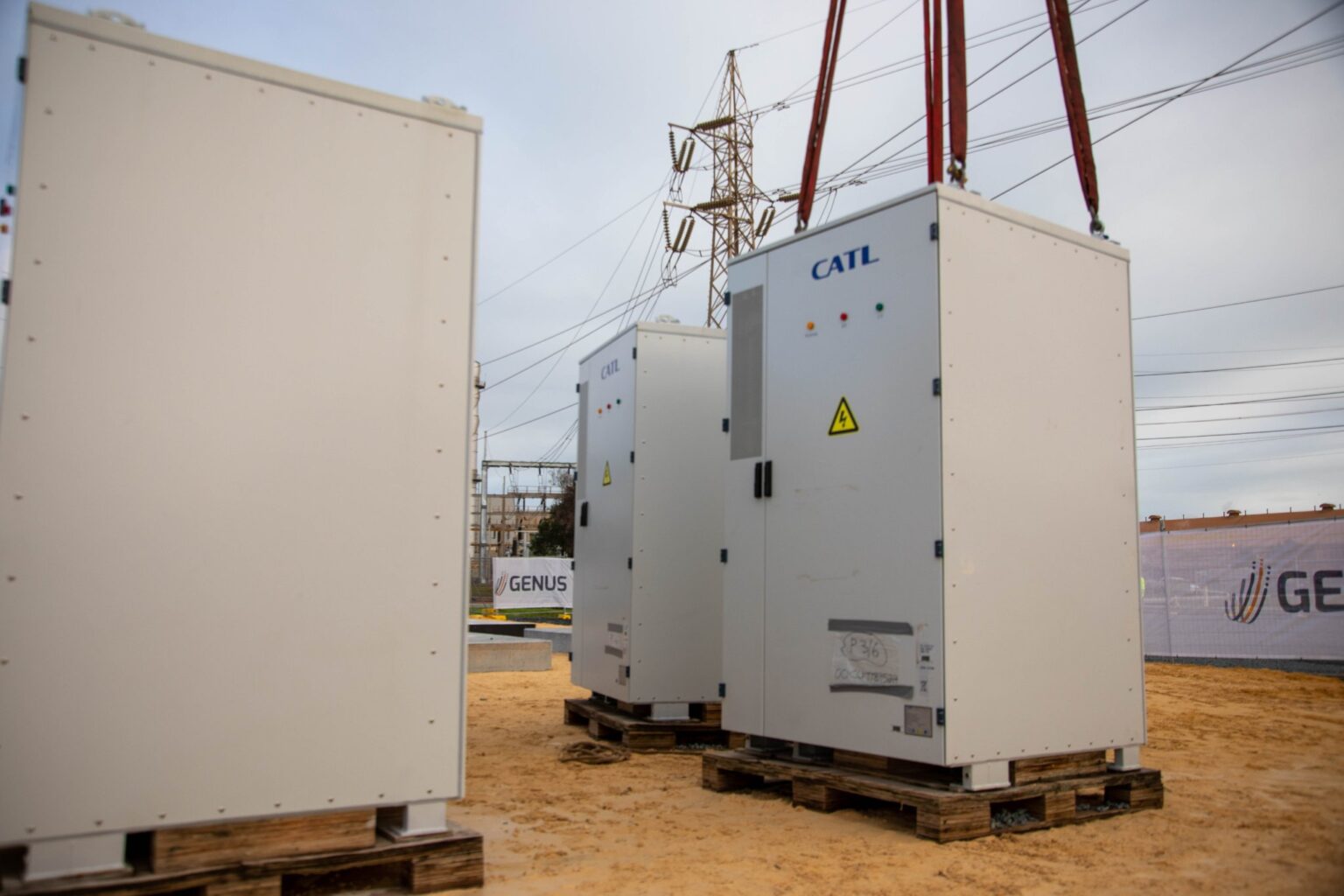
China’s battery giant CATL has inked a deal for battery material supply as lithium prices continue to climb on the back of tightening inventories, mine production slowdowns, robust demand, and – most recently – China’s roll back of battery tax rebates.
On January 13, Ningbo Ronbay New Energy Technology Co., Ltd. announced it had signed a six-year “Lithium Iron Phosphate (LFP) Cathode Material Procurement Cooperation Agreement” with CATL. Under the deal, Ronbay will supply no less than 3.05 million tons of cathode materials and related precursors from 2025 through 2031, with total estimated value exceeding RMB120 billion ($17.2 billion).
More than 50% of the supply will be lithium iron phosphate, meaning a minimum of 1.525 million tons of LFP over six years, with the remainder consisting of ternary cathode materials.
Industry analysts describe the agreement as a “mega order,” arguably the largest ever seen in the lithium and battery industries. For CATL, the deal strengthens its “supply chain moat,” securing long-term material availability amid rising demand. For Ronbay Technology, it marks a successful transformation from a ternary-focused manufacturer into a dominant supplier across both lithium iron phosphate (LFP) – a segment it entered only last year – and ternary cathode materials, providing a guaranteed sales channel for its rapidly expanding production capacity.
Furthermore, the order reinforces LFP’s mainstream role in the battery space, and is expected to drive a surge in upstream investment, from lithium mining to equipment manufacturing.
The Shanghai Stock Exchange immediately issued an inquiry following the announcement, requesting Ronbay to clarify the company’s capacity to fulfill the contract, provisions for annual output, delivery schedules, price adjustment mechanisms, and strategic plans.
The deal comes amid significant surge in lithium prices in China. Since December, spot prices for battery-grade lithium carbonate have climbed more than 70%, to more than RMB 160,000 per ton.
Written by
Popular Posts