Japanese utility launches residential battery demand response pilot

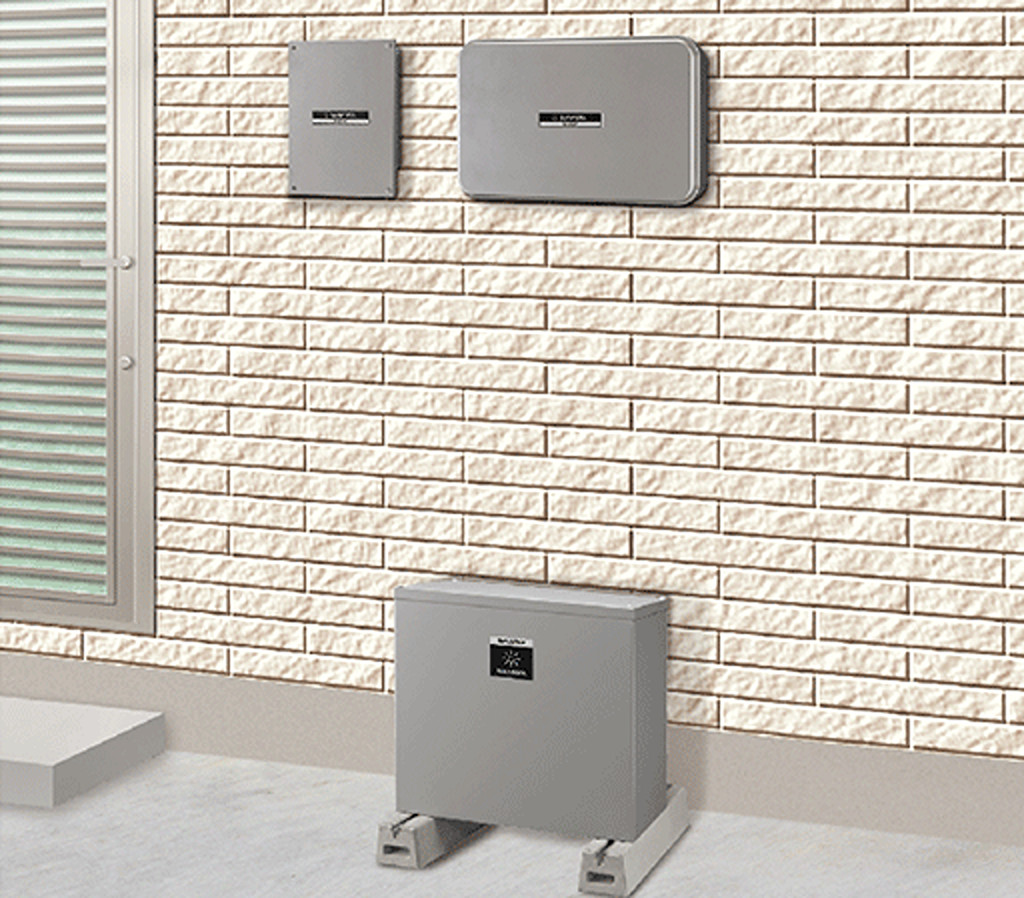
Japanese energy company Kyushu Electric Power Co. will launch a demand response demonstration project using home storage batteries supplied by Sharp Energy Solutions Corporation (SESJ) on March 1, 2026.
The Kyushu region offers favorable conditions for renewable energy, particularly PV power thanks to its strong solar irradiation. As a result, solar deployment has expanded significantly. However, renewable energy output curtailment was implemented on 128 days in fiscal year 2024, underscoring the need for more effective utilization of renewable generation.
Through this demonstration, Kyushu Electric Power and SESJ aim to leverage insights gained from charge and discharge control of residential storage systems to develop new customer services and unlock additional value streams.
This project will use Sharp’s system in combination with the Cocoro Energy mobile app, which enables users to manage multiple Sharp home appliances. Remotely controlled battery systems will be charged during midday hours, when solar generation peaks, and discharged in the evening, when grid supply and demand are tight.
Kyushu Electric Power began recruiting participating customers earlier this week. Interested households can apply via the company’s website.
In November 2025, Tohoku Electric Power announced a similar initiative, using Sharp’s residential batteries and AI-based energy management systems to help balance grid demand and optimize household solar consumption. Participants in that program can earn points redeemable for local products.
Sharp recently upgraded its AI-based Eee Connect system for effective use of PV-generated electricity by linking residential solar power systems, storage batteries, home appliances, and electric vehicles (EVs).
At the beginning of last year, it also unveiled a new EV charger based on V2H technology that facilitates two-way flows between solar-powered homes and electric vehicles.
Written by




Popular Posts