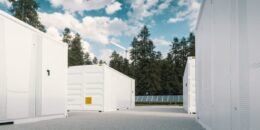
LG and GM pivot Ultium Cells JV to LFP battery production for US storage market at Tennessee plant

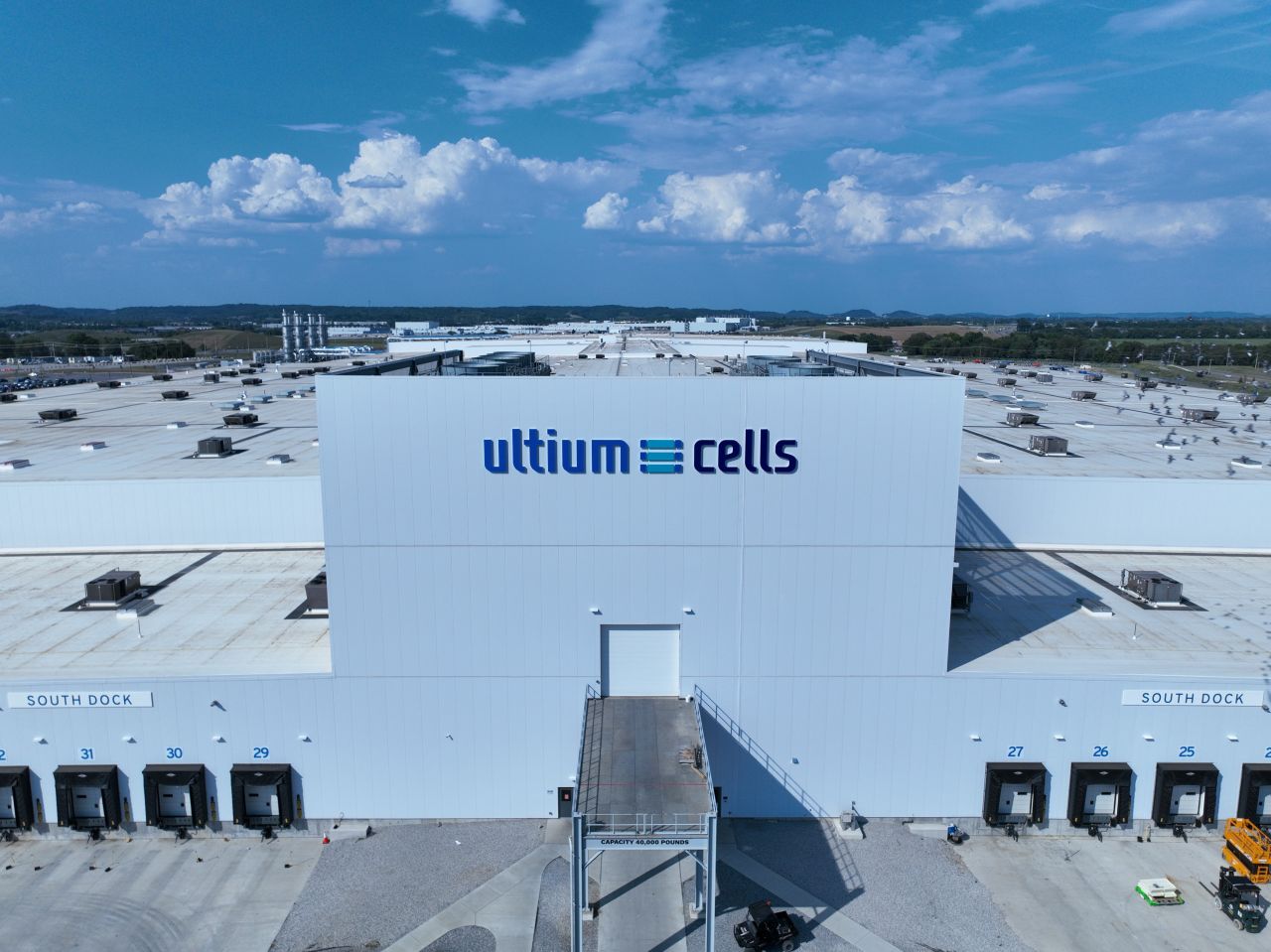
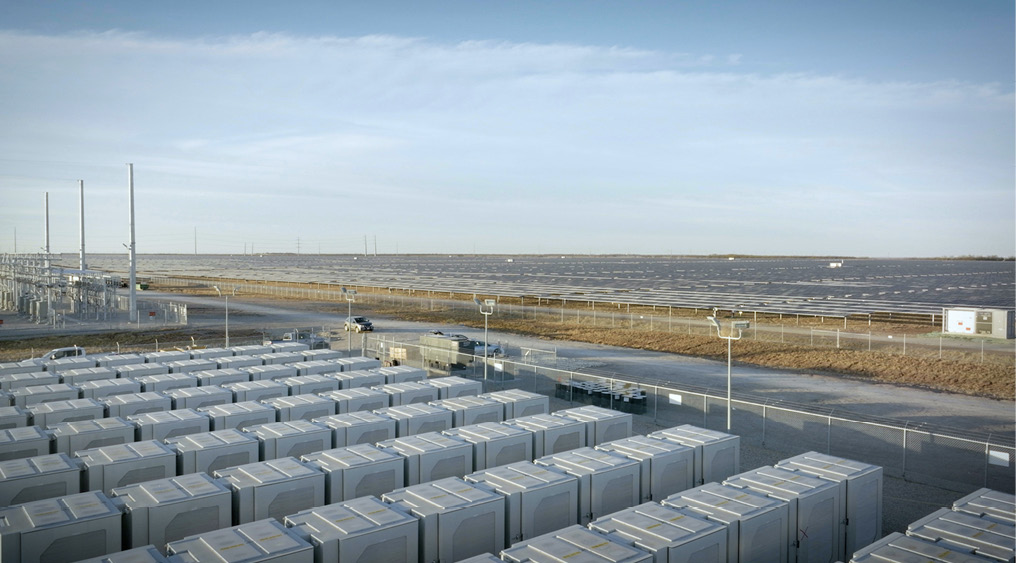
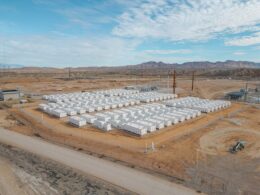
Ultium Cells, the battery manufacturing joint venture between LG Energy Solution and General Motors, will begin producing lithium iron phosphate (LFP) batteries for energy storage systems at its Spring Hill, Tennessee, plant in the second quarter of 2026, following a US$70 million retooling investment. The cells will be supplied to LG Energy Solution Vertech (LGES) for grid scale storage, renewable energy linked projects and data centre applications in North America.
The move is less about LFP itself than the speed of the pivot. ESS News has been reporting for months on battery makers redirecting North American capacity toward LFP-based storage as EV demand cools and stationary demand keeps building, including by car giants Stellantis at Windsor in Canada (where LGES is a JV partner) and Ford at plants in Kentucky and Michigan (LGES is not involved).
In Tennessee, Ultium said the 700 employees furloughed in January are now returning by April to support the launch of the new line. The facility had previously produced nickel based cells for electric vehicles.
In terms of costs, Bloomberg reported that the retooling will cost “tens of millions” of dollars, with Ultium vice president of operations Tom Gallagher saying the joint venture was able to shift the capacity “in rapid short order” and while acknowledging the cost.
LGES said Spring Hill’s shift now makes five: its wider North American ESS manufacturing network now spans Holland and Lansing in Michigan, the aforementioned Windsor in Ontario, and its joint venture with Honda in Jeffersonville, Ohio. By the end of 2026, all of those facilities are expected to have at least some production capacity dedicated to the company’s JF2 LFP pouch cell for stationary storage. LGES also said more than 80% of its planned global ESS battery production capacity this year will be located in North America.
Adding context, pv magazine USA reported on 18 March that Tesla has now been confirmed by the US Department of the Interior as the buyer behind LGES’s $4.3 billion Michigan battery supply deal, with domestically made LFP cells from Lansing set to go into Megapack 3 units from August 2027.
The wider market backdrop remains supportive. The US Energy Information Administration said in February that developers plan to add a record 86 GW of utility scale generation capacity in 2026, with battery storage accounting for 28% of that total.
In terms of how supply and demand are balanced, back in January Reuters reported that GM vice president Kurt Kelty said “energy storage demand currently exceeds supply by a wide margin and is likely to continue doing so for the next several years,” matching sentiments from ESS News contributors and analysts.
Written by



Popular Posts