Battery retrofits earn on market revenues beyond curtailed energy

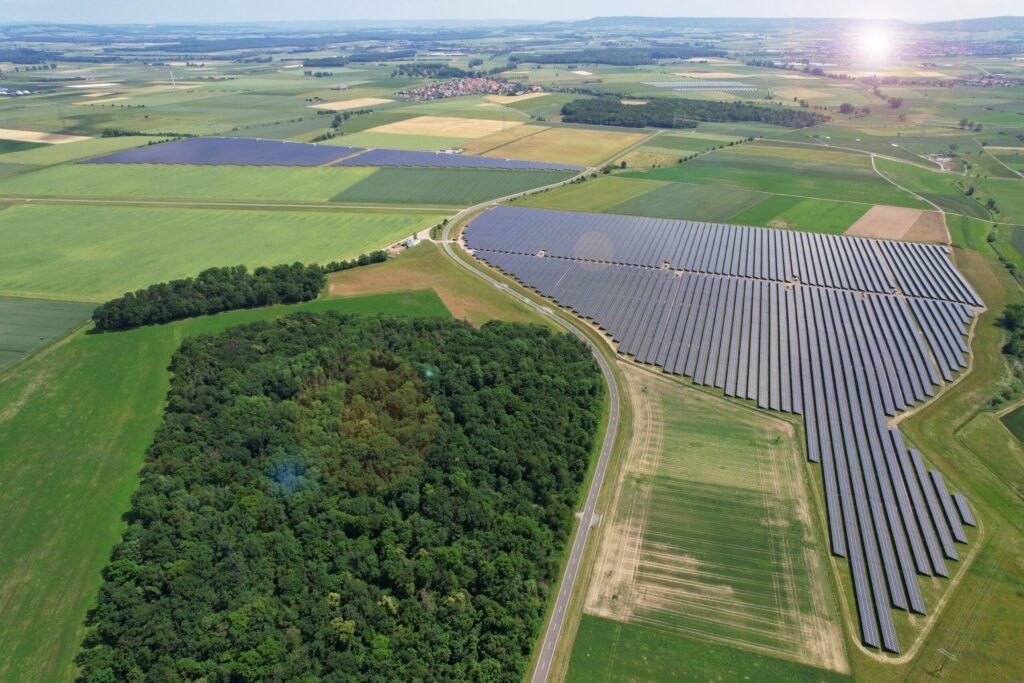
Developers and lenders who use curtailment rates as the primary screen for co-located battery storage may be undervaluing the technology in markets with rising negative electricity prices, according to a new paper by Belectric researchers.
The paper, “Enhanced value of grid-connected PV with battery storage in a negative price environment,” was recently published in EPJ Photovoltaics. It models the economics of grid-connected solar combined with battery storage across a range of negative-price scenarios.
The analysis suggests that curtailment rates – widely used as a proxy for assessing whether a solar asset could benefit from storage – may lead lenders to underestimate storage value when the business case is built around recovering curtailed energy rather than capturing market revenues, including price arbitrage during negative price periods, rather than simple recovery of curtailed output.
“The curtailment rate is often used as a proxy to assess whether a PV asset could potentially benefit from storage,” Djaber Berrian, a co-author and researcher at Belectric Holding, told ESS News. “The higher the curtailment rate, the more storage is perceived as a necessary solution to preserve the value of the PV asset. Specifically, in the case of gray storage, and in markets experiencing an increasing number of negative electricity price hours – as is the case in several EU markets – lenders may potentially underestimate the value of retrofitting storage if the business case is designed mainly around capturing curtailed PV energy.”
Germany provides a clear example. The country recorded 457 negative electricity price hours in 2024, a record. Berrian said the conditions driving that trend show no sign of reversing.
“We are currently seeing a consistent year-on-year increase in negative price hours since 2023,” he said. “At the same time, storage deployment remains relatively slow, the economics of BESS are still uncertain in many projects in Germany, and renewable energy capacity – solar and wind – continues to expand.”
He said the combination of those factors means negative price hours are unlikely to disappear near term, and flagged the risk of continuation beyond the decade.
“If for any political, economic, regulatory, or technical reasons, the pace of renewable energy integration continues to exceed the deployment of flexibility solutions – such as BESS, interconnection, and grid buildout – we cannot exclude the possibility that negative electricity prices will persist and even continue beyond 2030,” Berrian said.
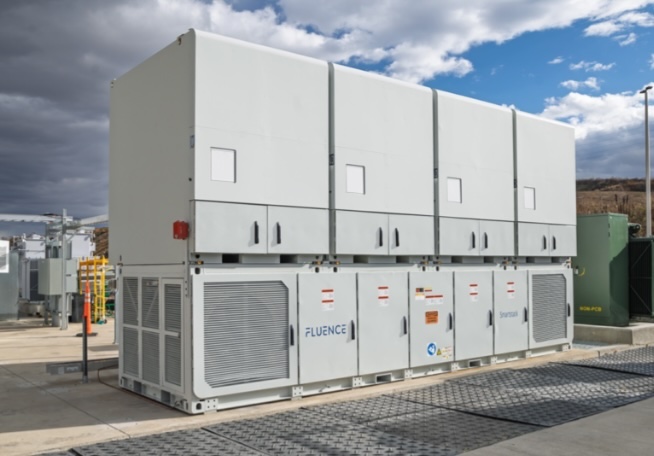
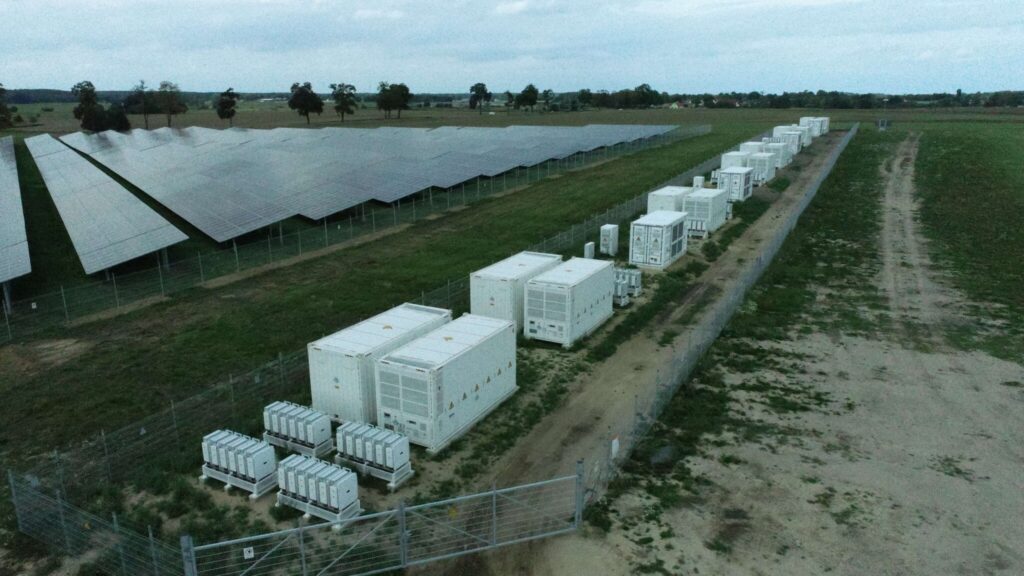
The paper models gray storage – battery systems permitted to charge from the grid as well as from the co-located solar array. Restricting charging to PV-only generation, a requirement in some markets and a condition of certain subsidy frameworks, materially changes the return profile.
“Depending on the market and cost assumptions, we generally see a substantial drop in IRR of about four to five percentage points in absolute terms,” Berrian said. “This would translate into a substantial NPV reduction – depending on the project size, it can be hundreds of thousands or millions of euros.”
He said green storage is generally less attractive to lenders and project developers, adding that “in several cases, we see that green-storage projects do not meet the standard industry hurdle rate.”
The distinction between gray and green storage carries regulatory and financing consequences in European markets. Gray storage – charging from the grid including during negative price periods – typically delivers stronger merchant returns but may sit outside feed-in premium and innovation tender frameworks depending on market structure. Green storage, restricted to PV charging, can qualify for support mechanisms but gives up revenues in markets with high negative price exposure.
Berrian identified green storage economics as a key area for further research, noting that the paper focuses on gray storage as its primary case.
Solar curtailment in Europe has accelerated as renewable capacity outpaces grid and flexibility deployment. In Germany, 457 negative electricity price hours in 2024 marked a record, while curtailment at some European solar parks has reached 25%. In addition. French electricity markets posted their first negative prices of 2026 in March, with battery storage operators recording arbitrage revenue gains as a result.
Written by





Popular Posts