China targets battery and solar overcapacity with new consumption taxes

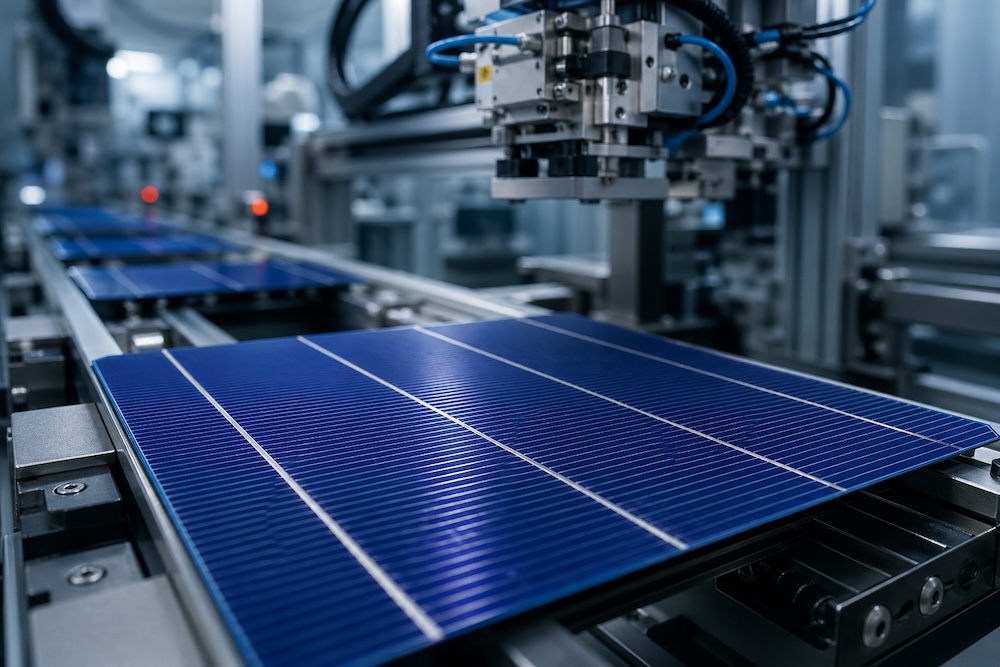
China is introducing new consumption taxes on batteries and PV cells as Beijing tightens controls on clean energy manufacturing overcapacity and pushes producers toward higher-efficiency technologies.
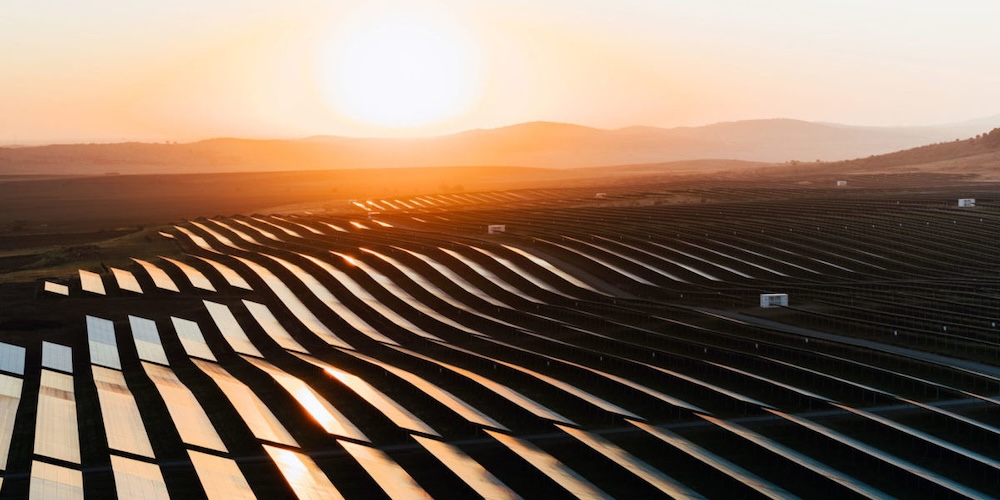
The Ministry of Finance (MOF) has said that PV cells will be subject to a 2% consumption tax effective April 1, 2027. The tax rate will increase to 4% starting April 1, 2028.
The tax is expected to accelerate capacity rationalization in China’s solar industry by increasing cost pressures on already low-margin manufacturers and making inefficient production facilities increasingly unviable. While a 2% to 4% consumption tax may appear modest, it could further squeeze profitability for manufacturers operating on thin or negative margins, potentially accelerating the retirement of outdated capacity and the exit of less competitive players.
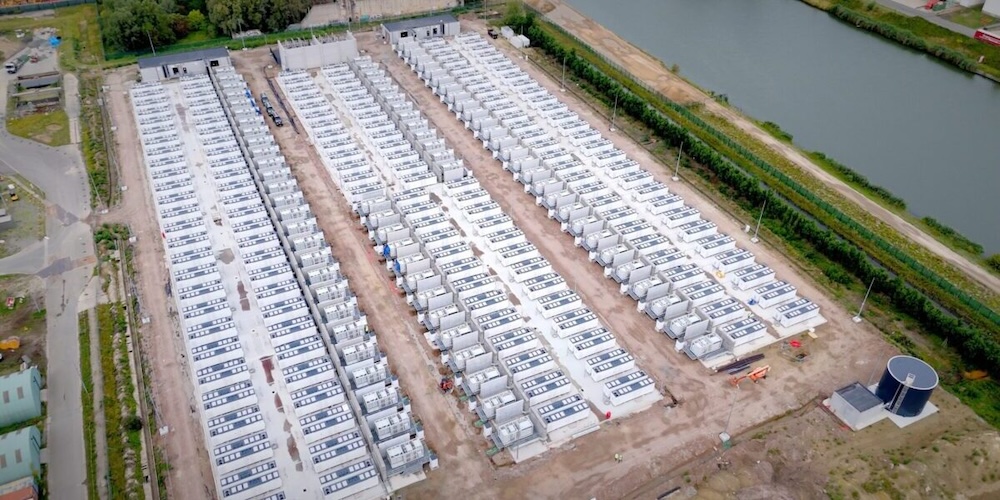
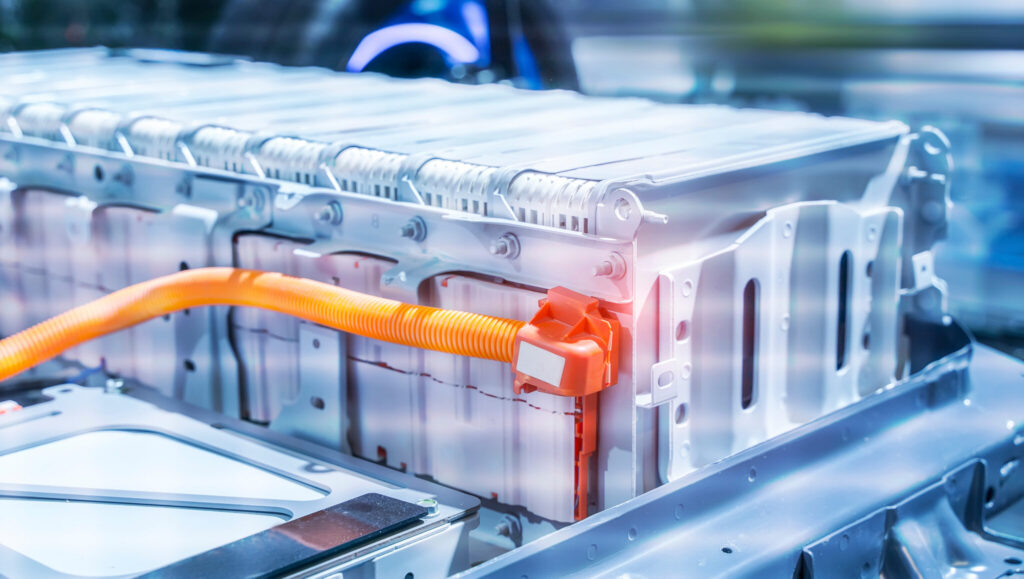
The Chinese government also introduced a consumption tax on a range of battery products, including lithium-ion batteries, nickel-metal hydride batteries, and other energy storage technologies, with rates set at 2% from September 2026 and 4% from September 2027. The measure broadens the scope of China’s battery-related taxation framework and reflects policymakers’ efforts to improve industrial efficiency, curb low-value capacity expansion, and encourage the development of advanced technologies.
The new tax adds to the mandatory national standards tightening energy consumption and efficiency requirements across the PV value chain that the Chinese authorities issued in early July.
The rules, which will take effect on Jan. 1, 2027, are expected to reshape manufacturing, procurement and project selection by favoring higher-efficiency, lower-energy-intensity products. However, market participants remain divided over whether the new standards will effectively reduce overcapacity and support a more sustainable pricing environment.
Since China’s solar industry entered a prolonged downturn more than two years ago, policymakers and industry participants have been exploring various approaches to address severe overcapacity. One such initiative was a plan to reduce polysilicon overcapacity, which was ultimately abandoned after China’s State Administration for Market Regulation (SAMR) warned that it could have resulted in a monopoly in the polysilicon segment.
The plan involved China’s six largest polysilicon producers – Tongwei, GCL, Daqo, Xinte, East Hope, and Asia Silicon – and envisaged raising about CNY 50 billion ($7 billion) to buy and idle roughly one-third of the country’s polysilicon production. The six companies together have nearly 2.5 million metric tons (MT) of capacity; the rest of the industry accounts for 700,000 MT.
More about
Written by
Comments


Popular Posts