Policy
Advertisement
Advertisement
Advertisement
Latest News
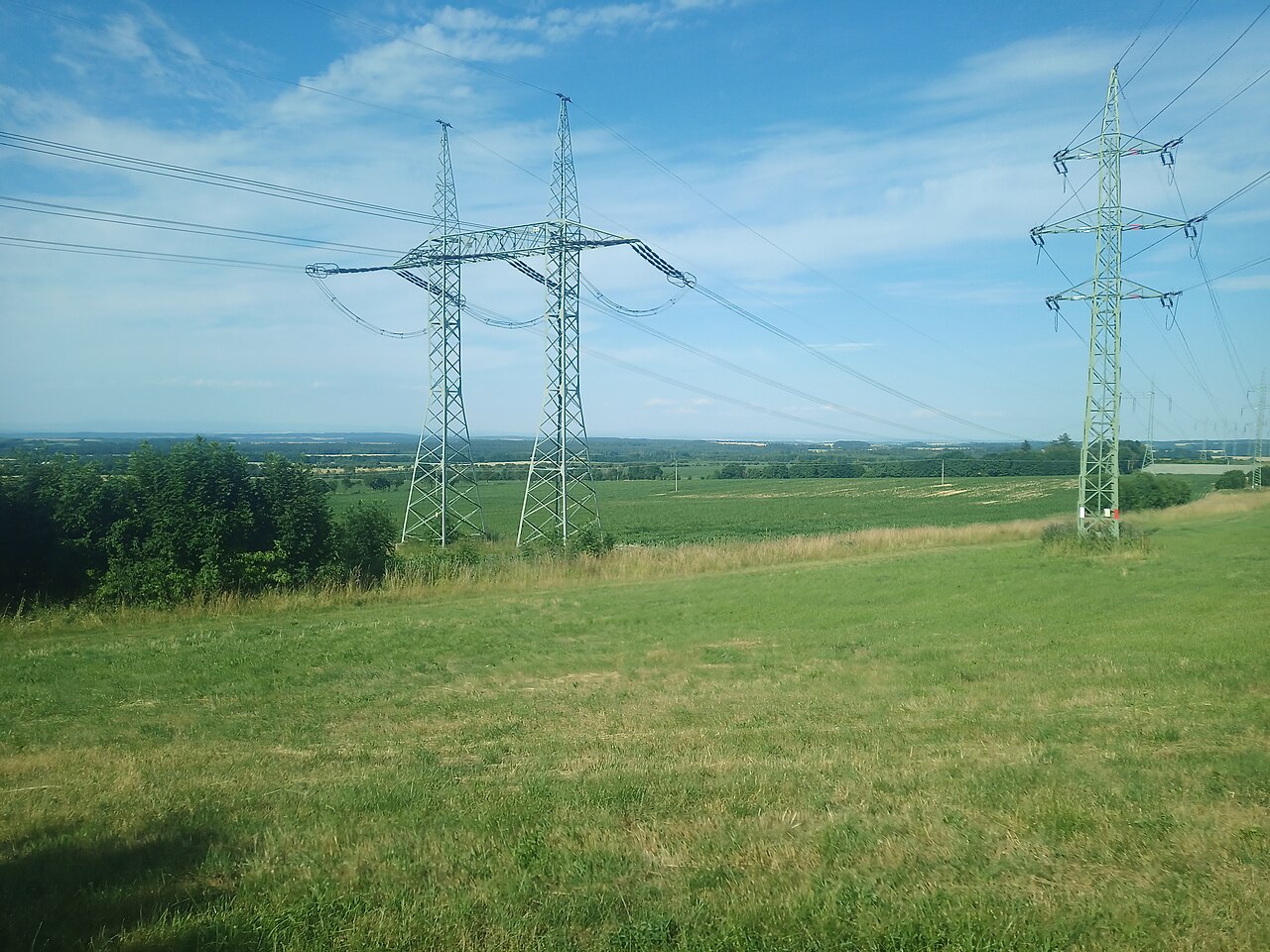
Irish regulator plans to reduce grid fees for energy storage
If the proposals by the Commission for Regulation of Utilities are implemented, all energy storage units would be charged solely under generator Transmission Use of System (TUoS) tariffs for the 2026/2027 tariff year, which begins on 1 October 2026.
Apr 30, 2026
Advertisement
Brazil can reach 7 GW in storage by 2035
Projections from the Energy Research Company (EPE), shared during the Absolar Storage Leaders event, depend on a stable legal framework and regulatory progress. Authorities and stakeholders in the electricity sector highlight the role of batteries in reducing costs, ensuring energy security, and expanding renewable energy.

Europe: AccelerateEU supports a 200 GW storage target, but omits financing mechanism
The European Commission’s AccelerateEU energy crisis plan endorses a 200 GW battery storage target for 2030 but proposes no dedicated financing mechanism to reach it, according to SolarPower Europe (SPE), which is calling for a separate EU-wide auction funded by emissions trading revenues.
Germany may curtail preferential treatment of large battery storage facilities near substations
The recently introduced preferential treatment for large battery storage facilities within a 200-meter radius of substations may soon be scaled back under the next amendment to the building code. At a minimum, lawmakers are considering tightening the eligible zone by introducing a minimum setback of 100 meters, effectively limiting the preferential treatment to projects located within a narrower band of 100 to 200 meters around substations.
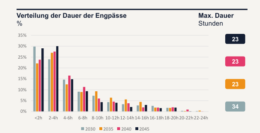
Long-duration battery storage can contribute to security of supply more cost-effectively than gas-fired power plants, LCP Delta finds
LCP Delta has conducted a study analyzing the potential contribution of long-duration battery storage to security of supply within capacity tenders in Germany, including an economic comparison with gas-fired power plants and the resulting costs to the public. However, the authors explicitly note that they are not advocating for a complete phase-out of new gas-fired power plants.






Advertisement
All Policy news



US tender alert: Massachusetts takes steps toward 40 GWh energy storage
The commonwealth has issued a draft request for proposals (RFP) for 1.5 GW of batteries with four- to 10-hour storage capacity, primarily funded through the state’s Clean Peak Standard (CPS). The tender is part of a broader effort to procure 5 GW of energy storage by 2030.
Advertisement
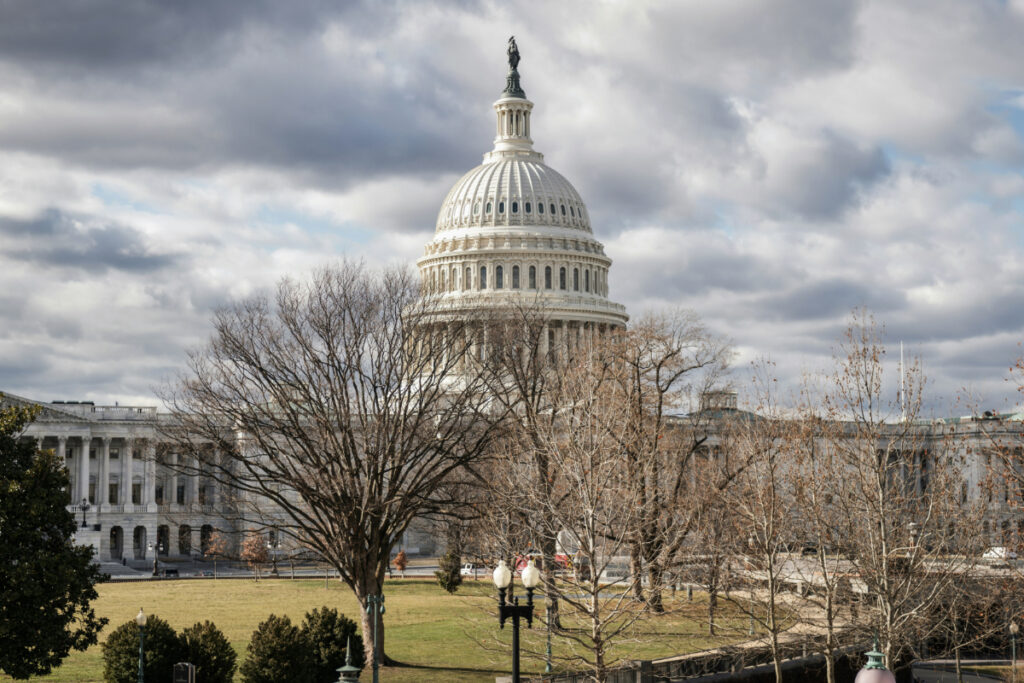
US Senate Republicans propose sparing batteries harshest elements of anti-Green New Deal legislation
Energy elements of Republicans' Budget Reconciliation Bill would leave the tax credits of battery component factories largely untouched but could target some foreign manufacturers as well as restricting incentives for small-scale batteries.
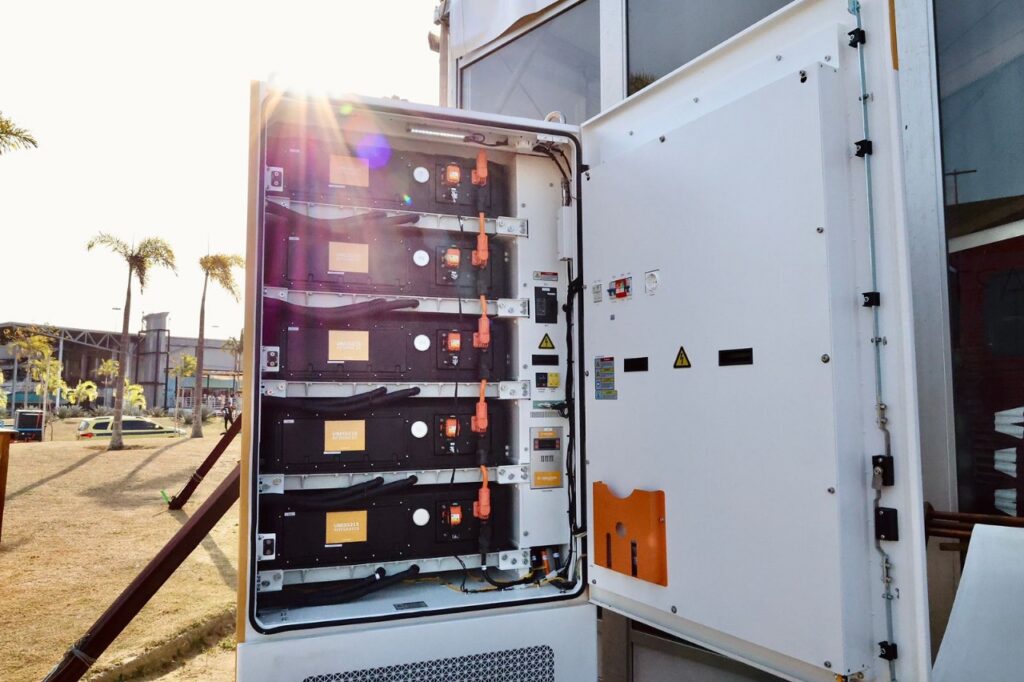
At least 18 GW of batteries await Brazil’s planned auction
While Brazil is making progress in customer-side, "behind-the-meter" and off-grid battery solutions – with more than 700 MWh – it still lacks guidelines for a planned gigawatt-scale national auction. Markus Vlasits, president of the Brazilian Association of Energy Storage Solutions (ABSAE), tells pv magazine about the nation's utility-scale battery bottleneck.

Panama to include storage in energy auctions
In an exclusive interview with pv magazine, Panamanian Energy Secretary Juan Manuel Urriola said the government will open the electricity market to private investment and revise regulations to enable energy storage. Urriola also emphasized the importance of long-term planning and transparent bidding to attract developers.
Advertisement
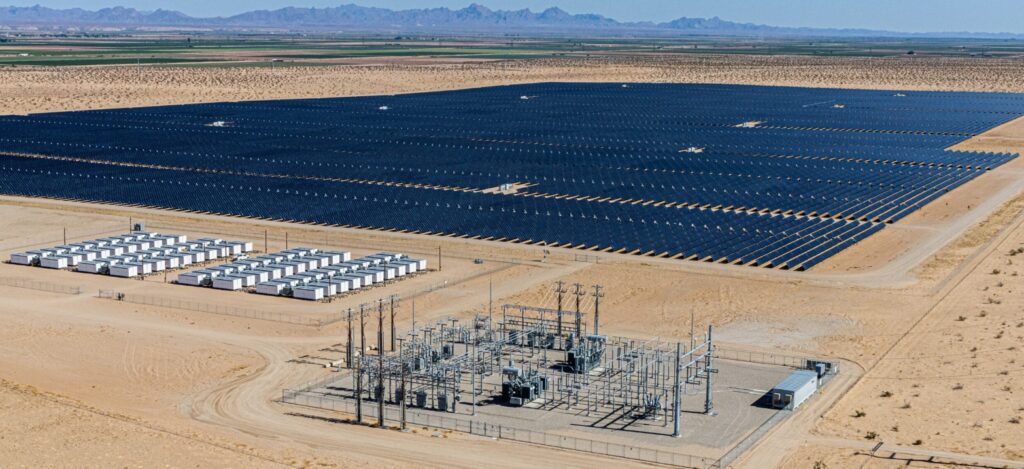

EcoFlow reports storage surge as Germany reaches 1 million balcony power systems registered
EcoFlow reveals just how much storage is being added into the plug-in balcony solar system ecosystem in Germany. ESS News spoke with Arne Herkelmann, regional product manager at EcoFlow, about the milestone, the critical data shaping the market, and the hurdles that remain in Germany and wider Europe.
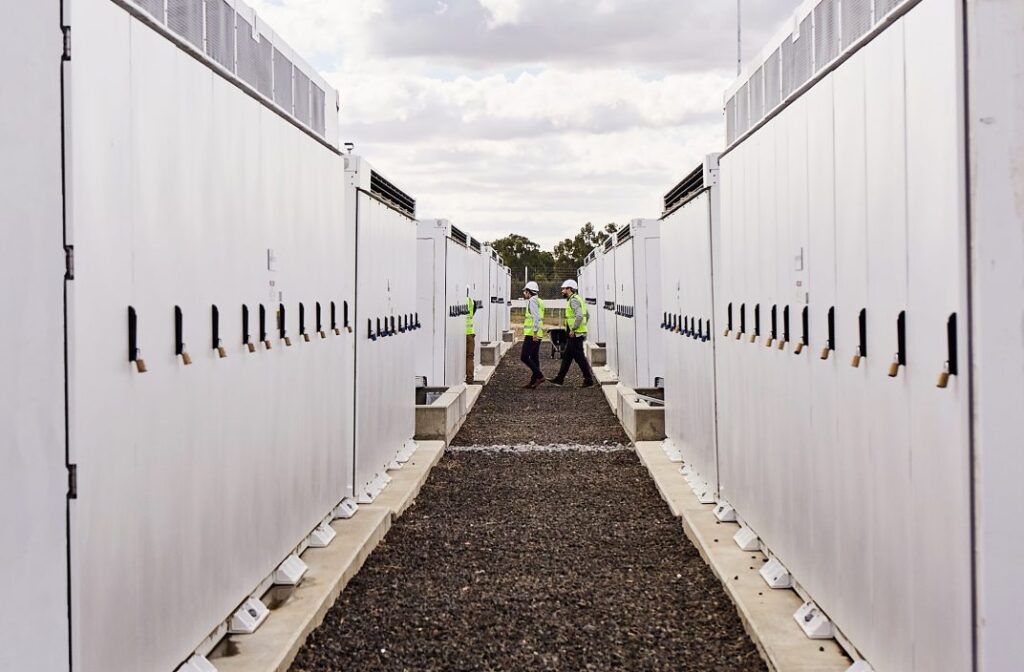
Australian regulator to fine grid assets which destabilize ferquency and reward those which balance it
Regulator the Australian Energy Market Operator's (AEMO) reform of frequency performance payments (FPP) will future-proof the National Electricity Market (NEM) grid by setting real-time incentives for fast and flexible assets such as batteries.
Advertisement