R&D
Advertisement
Advertisement
Advertisement
Latest News
Advertisement
Titanium emerges as a vanadium alternative for redox flow batteries
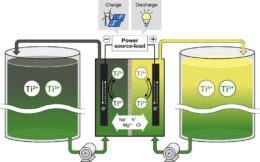
A Japanese-Chinese team developed a titanium molten salt redox-flow battery using abundant titanium ions and molten salt electrolytes to enable high-voltage, fast, and stable grid-scale energy storage. The system demonstrates high efficiency of over 97%, strong cycling stability, and improved cost and scalability compared to vanadium-based batteries, with further optimization underway.


Spain completes testing of Europe’s largest research vanadium BESS
Spain’s Fundación Ciudad de la Energía (Ciuden), a government energy research foundation, has completed operational testing of a 1 MW/8 MWh vanadium redox flow battery (VRFB) system at its Cubillos del Sil technology center, which it says is the largest vanadium flow battery in Europe dedicated to applied research.

New cost-saving copper welding technique for battery cells revealed by Fraunhofer
Resistance projection welding technique could unlock cost-effective copper interconnection potential. Described as a major opportunity for German battery manufacturers, the new approach to copper interconnections will now be used in commercial production.





Advertisement
All R&D news
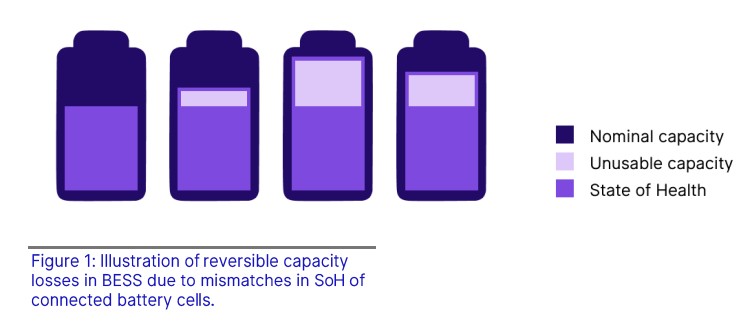
Inaccurate battery state of health measurements impact revenue, safety, operations
A paper from renewable energy technology company 3E lays out strategies to manage battery degradation, and states inaccurate battery energy storage system (BESS) state of health (SoH) measurements can negatively impact safety, impede asset evaluation, and result in financial losses.

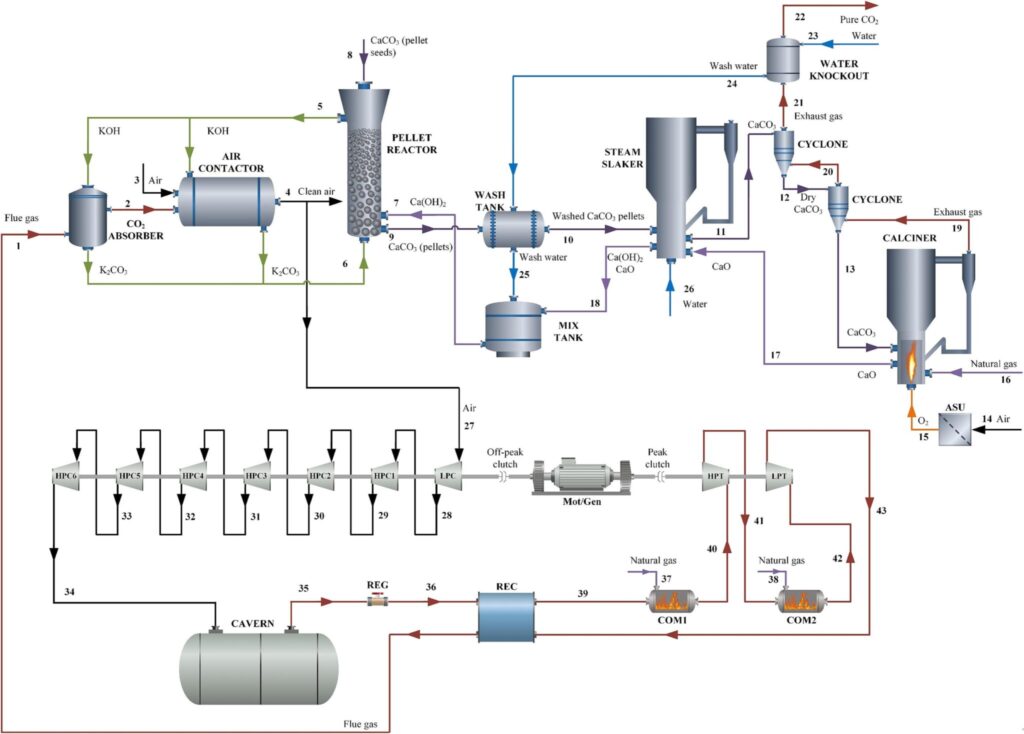
Combining liquid-based direct air capture with compressed air energy storage
Scientists in China have simulated a system that combines liquid-based direct air capture with diabatic compressed air energy storage, for the benefit of both processes. Exploring its economic feasibility, they found the system could achieve a levelized cost of energy of $0.53/kWh and a levelized cost of CO2 captured from air of $259/tCO2.
Advertisement

Advertisement

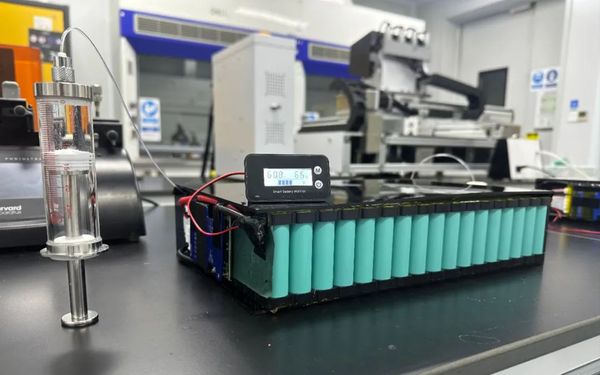
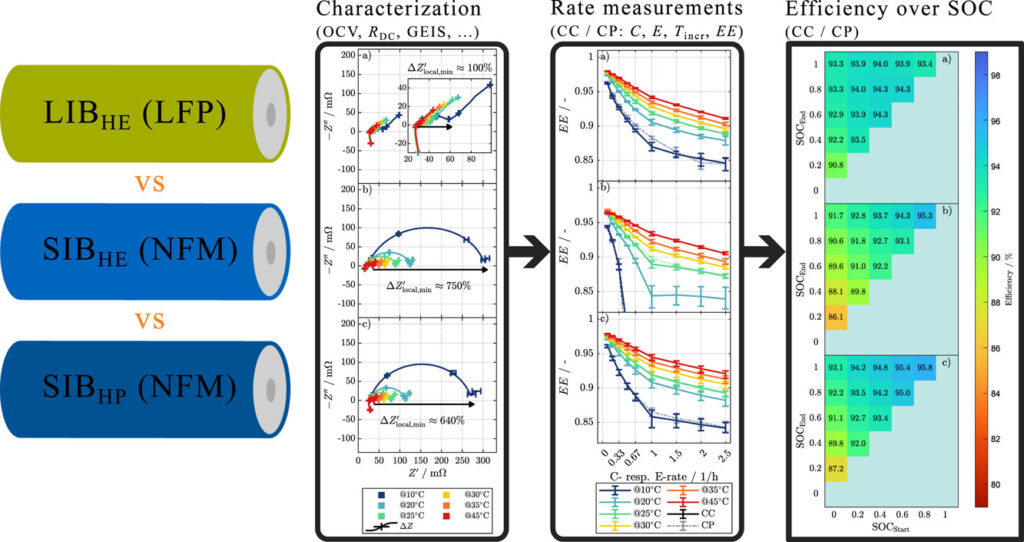
Sodium-ion vs. lithium-iron-phosphate batteries
Researchers in Germany have compared the electrical behaviour of sodium-ion batteries with that of lithium-iron-phosphate batteries under varying temperatures and state-of-charges. Their work shows how state-of-charge during cycling significantly affects the efficiency of sodium-ion devices.
Advertisement