Report reveals roadblocks to rooftop solar and home battery adoption

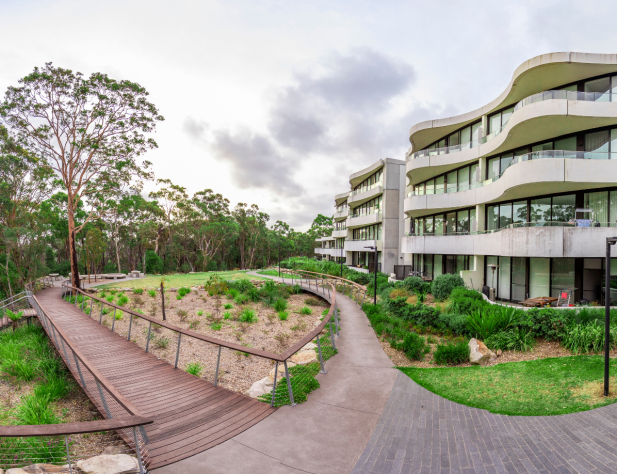
Energy Consumers Australia (ECA) research suggests half of Australian households face structural barriers to adopting rooftop solar and battery energy storage, such as living in a rental property, living in an apartment, or financial circumstances.
Australia’s clean energy transition is well underway with about 4.4 million homes now supporting a solar system on the roof – providing 13.9% of the nation’s electricity in 2025 – while more than 400,000 batteries have been installed nationwide since the launch of the federal government’s Cheaper Home Batteries program.
The ECA however said while rooftop solar and battery uptake may be high, a recent report shows that millions of Australian households are missing out on access to consumer energy resources, and it’s not by choice.
The data shows that 33% of Australians live in rental properties and have little control over their home’s energy infrastructure. A further 7% are owner-occupiers living in apartments, where strata rules can create legal and governance barriers to electrification. Analysis also shows that 10% of Australians have a household income below $50,000 and may not have the financial means to purchase solar or a battery, even with the government subsidies on offer.
ECA Executive Manager for analysis and advocacy, Ashley Bradshaw, said the report underlines the growing divide when it comes to accessing solar and batteries and the huge impacts on those unable to access the technologies.
“We applaud the federal government’s Cheaper Home Batteries Program and similar programs which are significantly accelerating household battery uptake across the country,” he said.
“Our data shows, however, that millions of households, especially renters, apartment dwellers, and low-income families, are being locked out of the solar and battery revolution.”
The advocacy group has called on state and territory governments “to urgently introduce minimum energy performance standards for rental properties, so renters can reduce their energy bills and improve their comfort and wellbeing, even if they cannot access solar or batteries directly.”
In addition, ECA is pushing for the introduction of energy performance ratings for homes and businesses at point of lease and sale to help prospective tenants and owners make their homes more affordable and comfortable, and the updating of strata rules to support electrification in multi-unit dwellings.
ECA has also called for the provision of grants and direct finance options for low-income households to electrify and the exploration of targeted tax incentives for landlords who invest in energy upgrades for their properties.
While the report highlights the barriers preventing some from adopting consumer energy technologies, it also identifies a large ‘untapped’ segment of Australians who face no structural barriers and are considering solar and batteries but have not yet made the switch.
“There remains a massive, untapped appetite for small-scale energy in Australia,” Bradshaw said. “Our data reveals that 15% of Australian homes do not face these major barriers and are currently researching solar, while another 23% say they are interested in getting a battery. These aren’t households locked out by apartment living or rental agreements – these are families ready to invest right now.”
More about
Written by
Comments




Popular Posts