Policy
Advertisement
Advertisement
Advertisement
Latest News
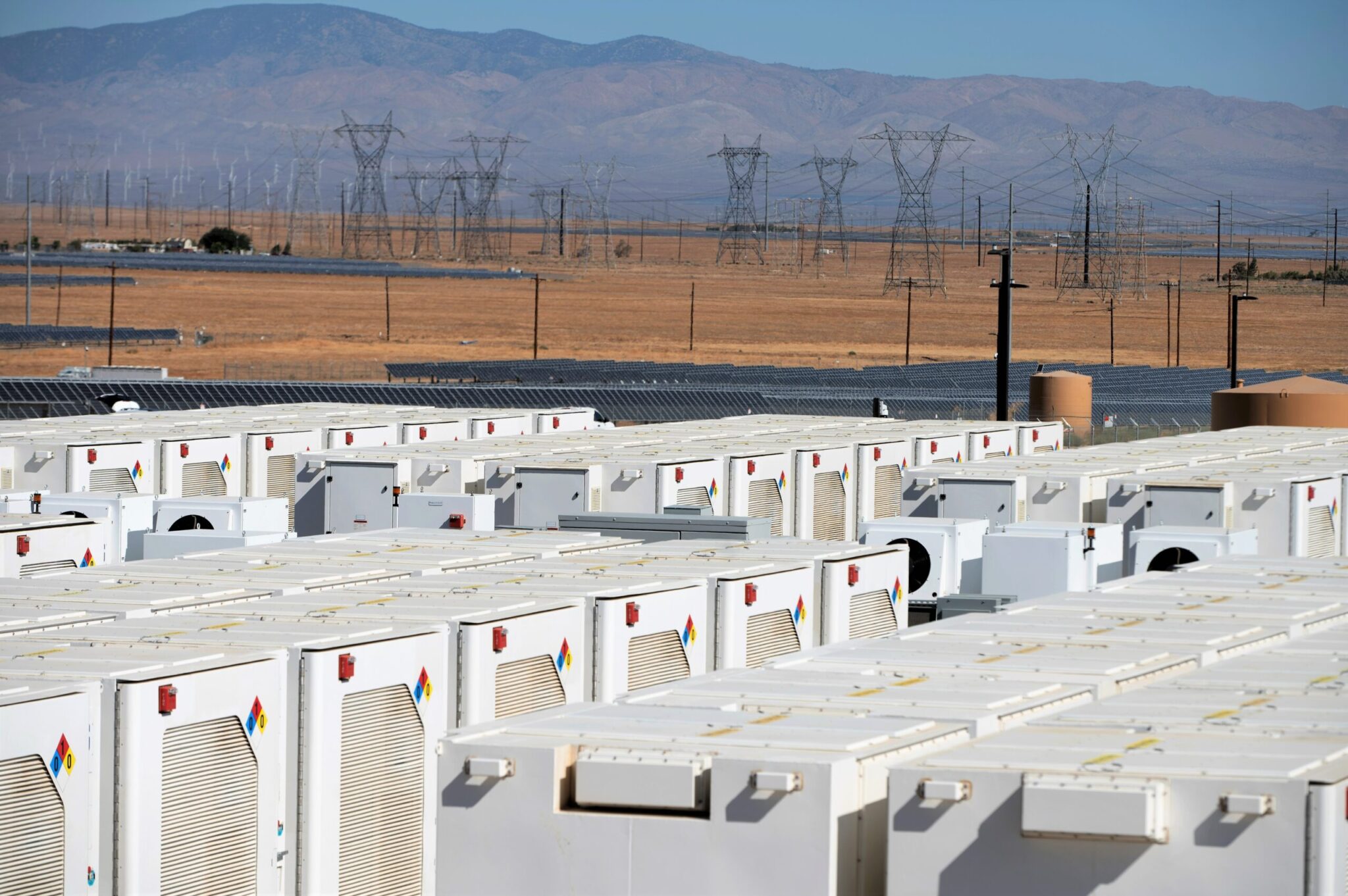
USA: Western grid enters new era as CAISO launches Extended Day-Ahead Market
The May 1 go-live of the Extended Day-Ahead Market (EDAM) marks the first time Western utilities can coordinate large-scale solar and storage resources 24 hours in advance, a move projected to significantly slash curtailment and boost regional reliability.
9 minutes ago
Advertisement

Australia adds 350,000 residential batteries and 4.6 GWh in 10 months under subsidy-scheme
With a 30% credit for the cost of a battery provided to installers, a boom has occured in Australia. Many homes have retrofitted batteries to existing solar, and many have taken up solar for the first time as well.
Irish regulator plans to reduce grid fees for energy storage
If the proposals by the Commission for Regulation of Utilities are implemented, all energy storage units would be charged solely under generator Transmission Use of System (TUoS) tariffs for the 2026/2027 tariff year, which begins on 1 October 2026.
Brazil can reach 7 GW in storage by 2035
Projections from the Energy Research Company (EPE), shared during the Absolar Storage Leaders event, depend on a stable legal framework and regulatory progress. Authorities and stakeholders in the electricity sector highlight the role of batteries in reducing costs, ensuring energy security, and expanding renewable energy.

Europe: AccelerateEU supports a 200 GW storage target, but omits financing mechanism
The European Commission’s AccelerateEU energy crisis plan endorses a 200 GW battery storage target for 2030 but proposes no dedicated financing mechanism to reach it, according to SolarPower Europe (SPE), which is calling for a separate EU-wide auction funded by emissions trading revenues.
Germany may curtail preferential treatment of large battery storage facilities near substations
The recently introduced preferential treatment for large battery storage facilities within a 200-meter radius of substations may soon be scaled back under the next amendment to the building code. At a minimum, lawmakers are considering tightening the eligible zone by introducing a minimum setback of 100 meters, effectively limiting the preferential treatment to projects located within a narrower band of 100 to 200 meters around substations.
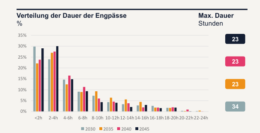
Long-duration battery storage can contribute to security of supply more cost-effectively than gas-fired power plants, LCP Delta finds
LCP Delta has conducted a study analyzing the potential contribution of long-duration battery storage to security of supply within capacity tenders in Germany, including an economic comparison with gas-fired power plants and the resulting costs to the public. However, the authors explicitly note that they are not advocating for a complete phase-out of new gas-fired power plants.




Advertisement
All Policy news
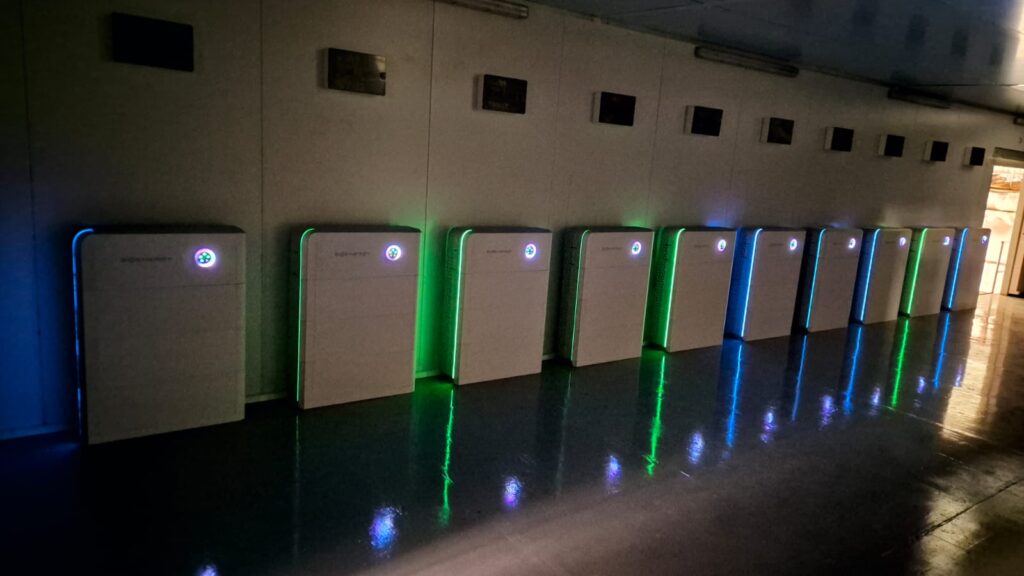
Labor election win brings Australian household battery rebate
The work schedules of Australia’s battery retailers and installers will likely get busy in the coming months with Labor’s win in the federal election paving the way for the introduction of an AUD 2.3 billion ($1.48 billion) national subsidy scheme.
Call for energy storage projects for Europe’s next 10-year grid plan
Project promoters hoping to receive EU Connecting Europe Facility (CEF) funding for energy storage and electricity transmission sites must first have them included in the 10-year network development plans (TYNDPs) drafted by the European Network of Transmission System Operators for Electricity (ENTSO-E).
Advertisement
Plans for 5.1 GW of pumped hydro energy storage in India
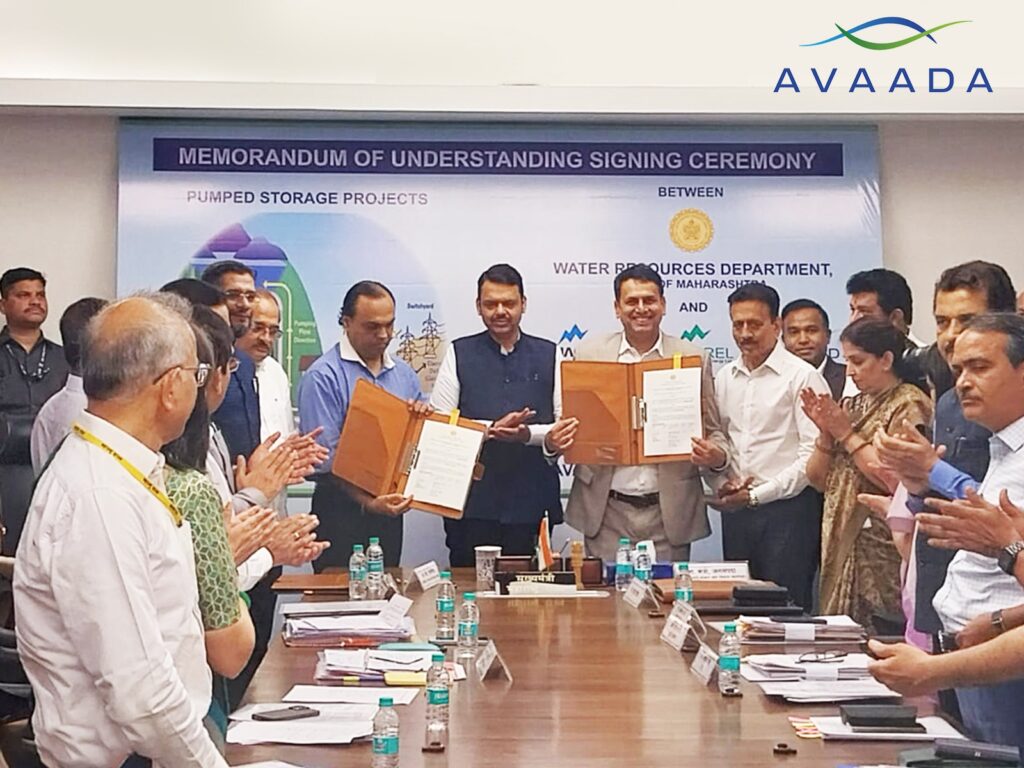
The state electric utility of Uttar Pradesh has agreed to take power from a 1.5 GW/12 GWh pumped hydro energy storage (PHES) project planned in Sonbhadra and Avaada Group will invest INR 151 billion ($1.78 billion) into the 2.4 GW Pawana Falyan and 1.2 GW Sirsala PHES sites in Maharashtra state.

Vattenfall plans 3 GW of batteries, offers tolling contracts
Vattenfall representatives Nicola Kleihues and Daniel Schwarz tell pv magazine about the power company's strategy in Germany and what it considers when buying project rights there. They also explain how to evaluate tolling offers to secure energy-storage-based electricity flexibility for a fixed fee.

Advertisement
Why Ireland’s 10 GW energy storage pipeline is delayed by revenue uncertainty
Ireland’s market for battery energy storage (BESS) is likely to continue to decline after a brief ramp up around six years ago. Where developers once had a degree of certainty as part of the DS3, its ancillary market services framework, changes to that scheme are causing major uncertainty among developers.

Tariff uncertainty grips US battery development
The Trump administration’s China tariffs have piled atop existing and developing trade barriers on battery energy storage systems, components, and materials – destabilizing the US energy storage industry. While existing inventories will allow project development to move forward in the short term, uncertainty extends across the supply chain, including to prospective manufacturers.
Advertisement