Policy
Advertisement
Advertisement
Advertisement
Latest News
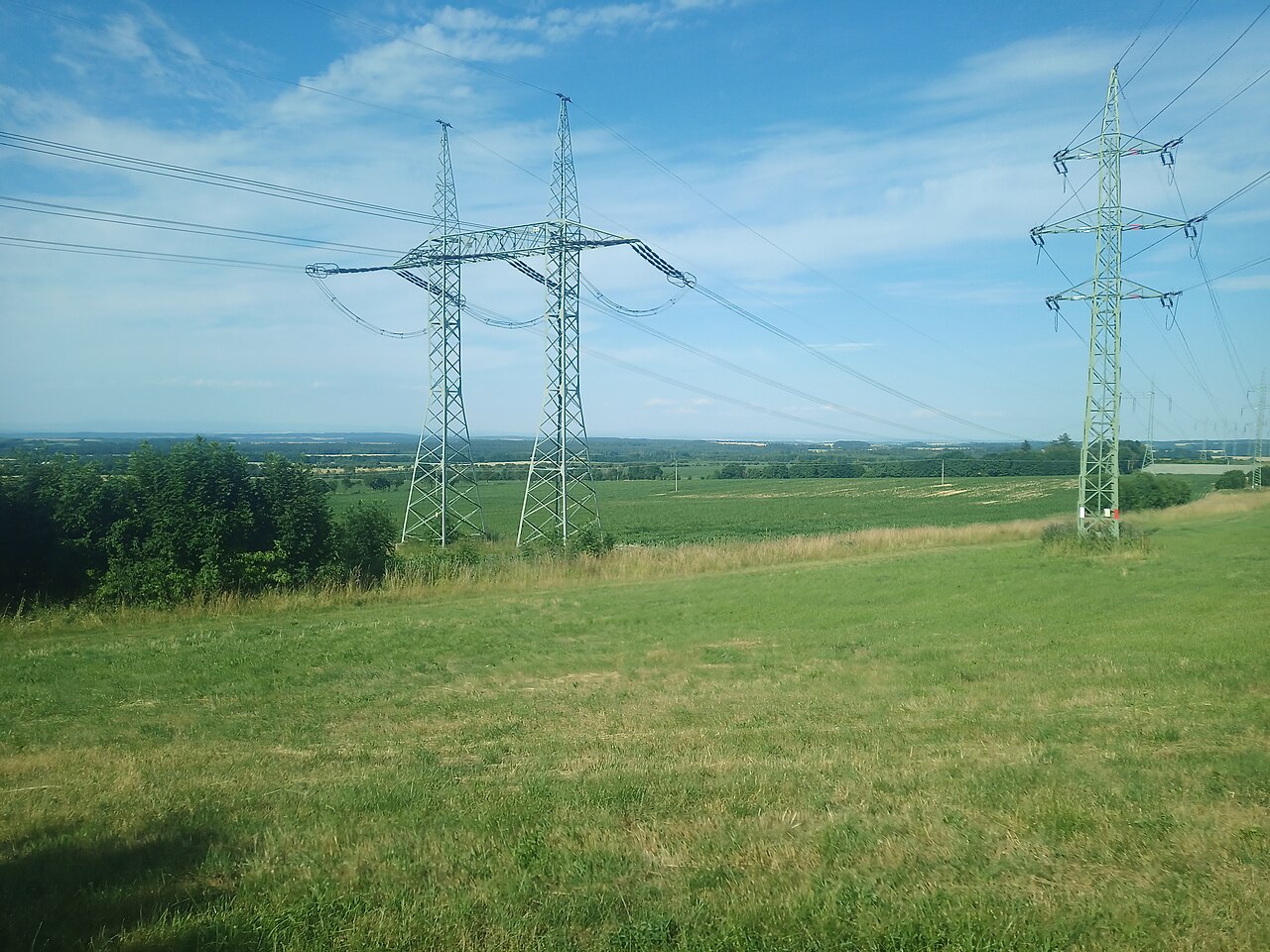
Irish regulator plans to reduce grid fees for energy storage
If the proposals by the Commission for Regulation of Utilities are implemented, all energy storage units would be charged solely under generator Transmission Use of System (TUoS) tariffs for the 2026/2027 tariff year, which begins on 1 October 2026.
Apr 30, 2026
Advertisement
Brazil can reach 7 GW in storage by 2035
Projections from the Energy Research Company (EPE), shared during the Absolar Storage Leaders event, depend on a stable legal framework and regulatory progress. Authorities and stakeholders in the electricity sector highlight the role of batteries in reducing costs, ensuring energy security, and expanding renewable energy.

Europe: AccelerateEU supports a 200 GW storage target, but omits financing mechanism
The European Commission’s AccelerateEU energy crisis plan endorses a 200 GW battery storage target for 2030 but proposes no dedicated financing mechanism to reach it, according to SolarPower Europe (SPE), which is calling for a separate EU-wide auction funded by emissions trading revenues.
Germany may curtail preferential treatment of large battery storage facilities near substations
The recently introduced preferential treatment for large battery storage facilities within a 200-meter radius of substations may soon be scaled back under the next amendment to the building code. At a minimum, lawmakers are considering tightening the eligible zone by introducing a minimum setback of 100 meters, effectively limiting the preferential treatment to projects located within a narrower band of 100 to 200 meters around substations.
Long-duration battery storage can contribute to security of supply more cost-effectively than gas-fired power plants, LCP Delta finds
LCP Delta has conducted a study analyzing the potential contribution of long-duration battery storage to security of supply within capacity tenders in Germany, including an economic comparison with gas-fired power plants and the resulting costs to the public. However, the authors explicitly note that they are not advocating for a complete phase-out of new gas-fired power plants.





Advertisement
All Policy news
Bulgaria’s battery storage market gears up
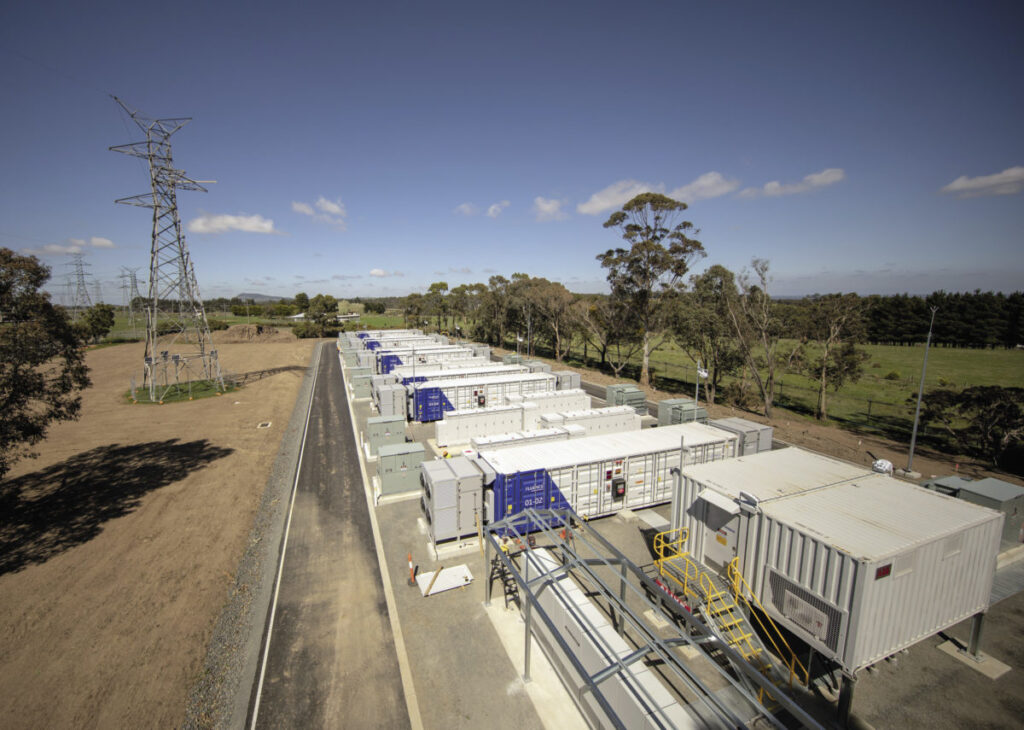
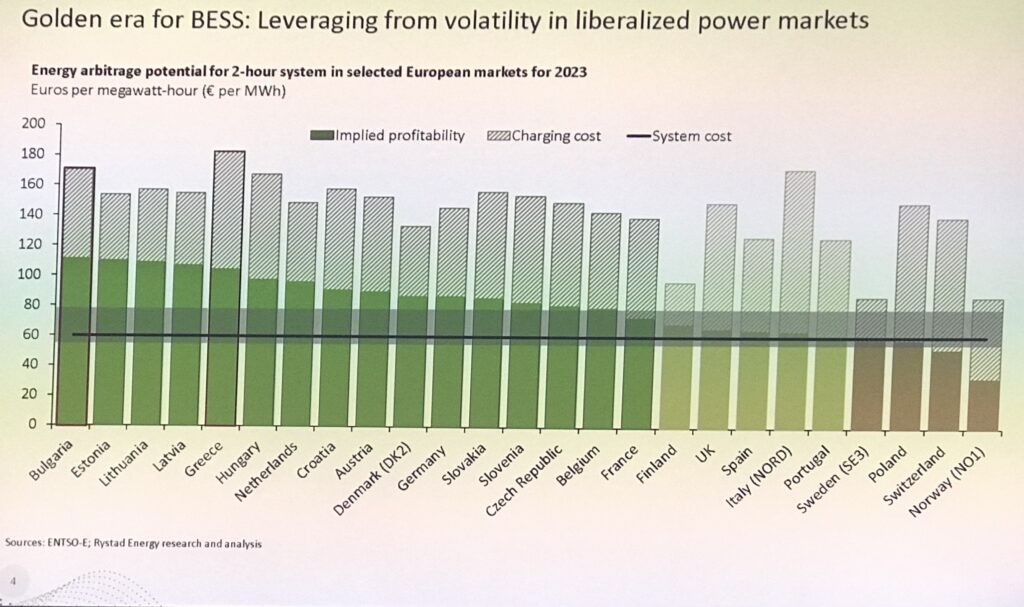
Bulgaria has installed between 40 MWh and 50 MWh battery energy storage capacity to date. However, a new national legislation as well as funds provided through the European Union’s Recovery and Resilience Facility could see the country install another 1 GWh over the next two years.
Global energy storage fleet to surpass 1 TW/3 TWh by 2033, WoodMac says
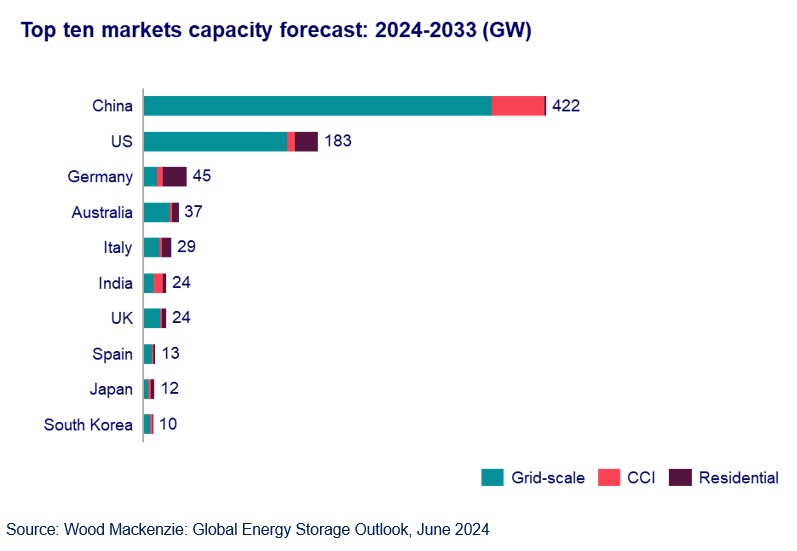
According to the latest forecast from Wood Mackenzie, the global energy storage market (excluding pumped hydro) is on track to reach 159 GW/358 GWh by the end of 2024 and grow by more than 600% by 2033, with nearly 1 TW of new capacity expected to come online.
Advertisement
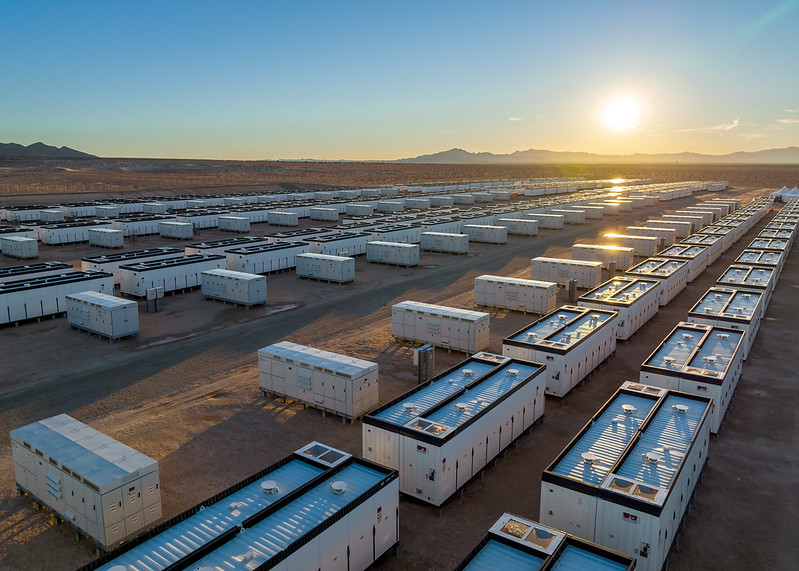
Battery storage deployment in Canada kicks into gear
The deployment of battery energy storage systems (BESS) in Canada is picking up the pace, with the announcement of a 705 MWh battery storage system delivery to Nova Scotia by Canadian Solar's e-STORAGE and various other projects in provinces across the country. However, this surge cannot come quickly enough says Energy Storage Canada.
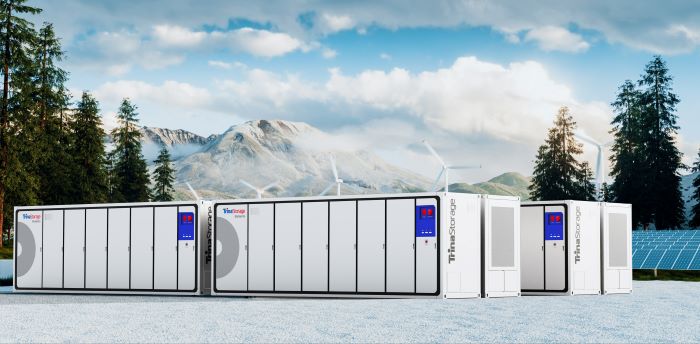
Interview with Trina Storage: We expect consolidation in the coming years
In a recent interview with pv magazine Italia, Gabriele Buccini, head of utility storage at Trina Solar, talked about the company's vertical integration and its forecasts for the storage market. “There is enough capacity available to drive prices down in 2024 in an anomalous way,” Buccini said when talking about global battery energy storage production levels.
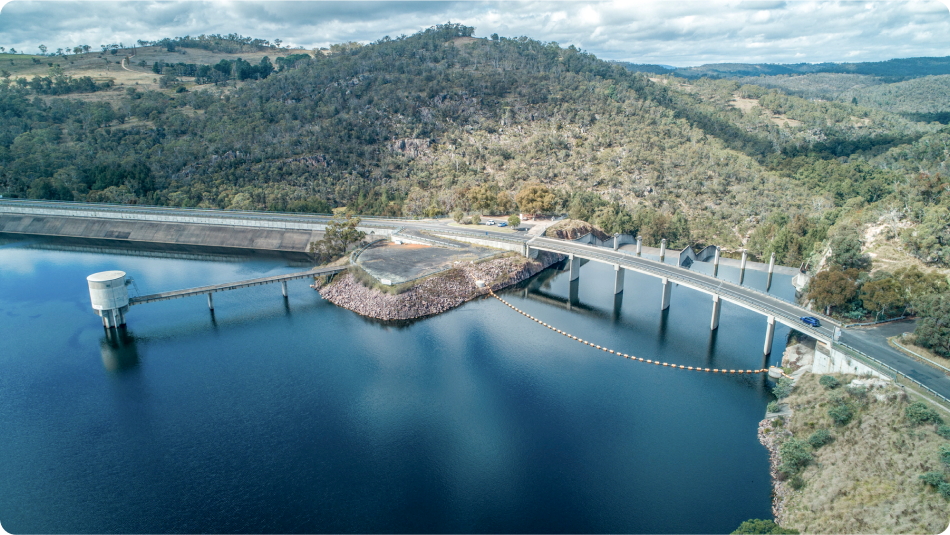
Pumped hydro projects declared high priority by NSW state government in Australia
Three pumped hydro projects that would deliver a combined 1,035 MW / 9,480 MWh of dispatchable capacity are among six projects that have been declared critical state significant infrastructure by the New South Wales (NSW) state government in Australia, potentially smoothing the way for their approval.
Advertisement
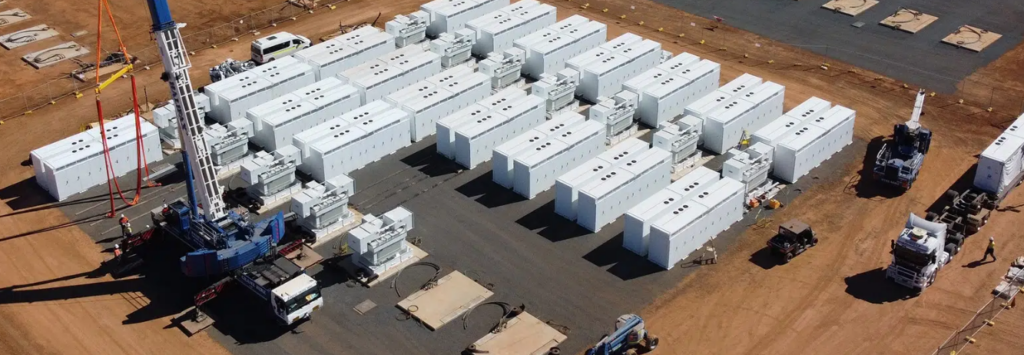
Rhode Island enacts energy storage law, targeting 600 MW by 2033
With the signing into law of the 2024 Energy Storage Systems Act, Rhode Island is targeting 90 MW of energy storage by 2026, 195 MW by 2028, and 600 MW by 2033. The state is also aiming to meet 100% of its electricity demand renewables by 2030.
Western Australia’s capacity tender seeks 2 GWh of energy storage
The ball is rolling on the Australian government’s pending Capacity Investment Scheme Tender 2 focussing on the Western Australian Wholesale Electricity Market and which seeks an indicative target of 500 MW of four-hour equivalent dispatchable capacity, or 2,000 MWh.
Advertisement