Opinion & Analysis
Advertisement
Advertisement
Advertisement
Latest News

Batteries: The game has changed – and it’s not what you think
A single benchmark no longer exists. In some cases, charging speed is what matters; in others, it is energy density, and in still others, cost and scalability. In other words, the battery is ceasing to be a simple component. It is becoming the transversal energy infrastructure of the next industrial cycle. And those who can control not only the technology but also production, integration, and the grid will have an advantage that will be difficult to recover.
Apr 30, 2026
Advertisement
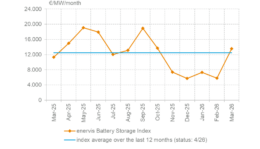
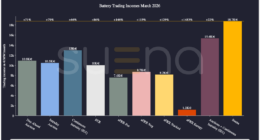
Volatility returns: Battery revenues in March 2026
March saw a sharp rebound in battery revenues in Germany. While average price levels increased only moderately, shifting dynamics between solar-driven price troughs and fossil-driven peaks created a more favourable trading environment. Lennard Wilkening, CEO and co-founder of suena energy, analyses what defined the month and why cross-market strategies proved particularly effective.
From patchwork to harmony: The case for aligning standards in energy storage
Improving safety and security does not require lowering standards, but it does require aligning them. This is where an industry-led approach – one that brings together manufacturers, developers, validators and insurers – comes in, writes Ken Stewart, senior manager ESS at Sungrow Europe.
Why system-level fire testing is becoming the new benchmark for grid-scale BESS safety
As utility-scale battery energy storage systems continue to be deployed across Australia’s National Electricity Market, fire risk assessment is rapidly shifting from a compliance exercise to a core project viability consideration. For developers, asset owners, insurance considerations and regulators, the key question is no longer whether systems meet component certification standards, but how complete BESS systems behave under severe real-world conditions.
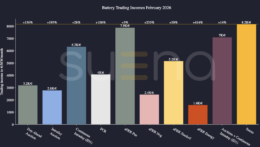
The return of negative prices: Battery revenues in February 2026
February began with familiar winter stability, but ended with the return of negative prices driven by solar feed-in. As market dynamics started to shift, battery revenues reflected both compression and emerging new opportunities. Lennard Wilkening, CEO and Co-Founder of suena energy, explores what defined the month and what it signals for spring.




Advertisement
All Opinion & Analysis news

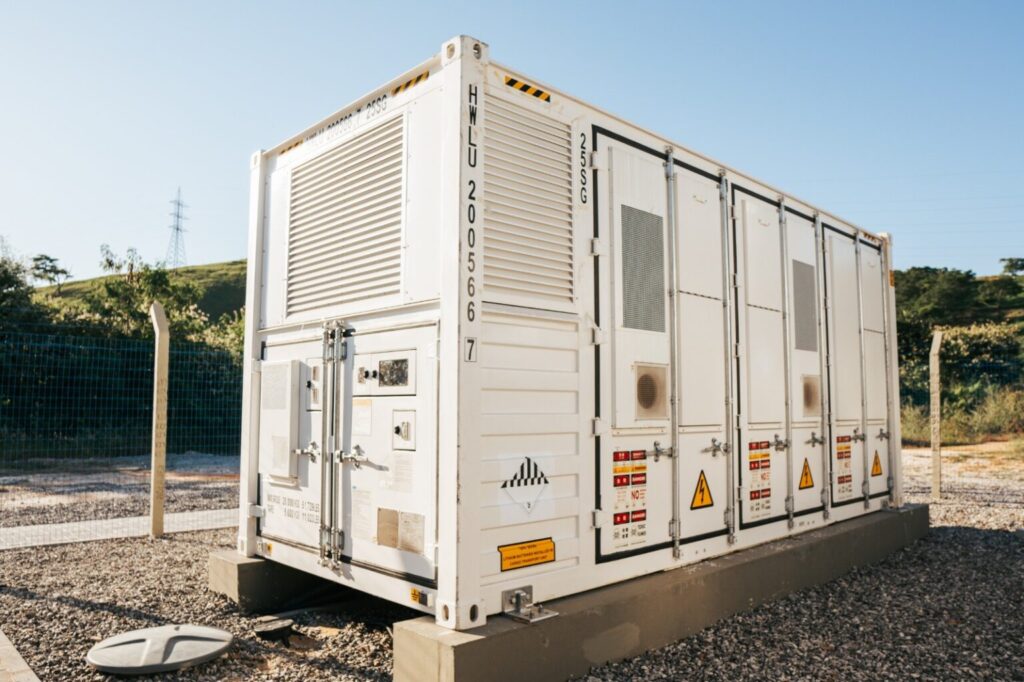
Energy storage could cut Brazil’s electricity system costs 16% in 2029
Storage is essential to expand renewables penetration and ensure grid flexibility, according to a study by consultants PSR. Regulatory and tax barriers still limit the sector, however, and new revenue sources are needed to make projects viable.

Advertisement

How lithium-ion batteries are reshaping the energy landscape
With renewable energy now making up nearly half of our installed power capacity, energy storage is the key to making clean energy truly dependable. On a national level, large-scale energy storage projects will be vital for balancing the grid and ensuring a steady flow of power, even when the wind isn’t blowing or the sun isn’t shining.
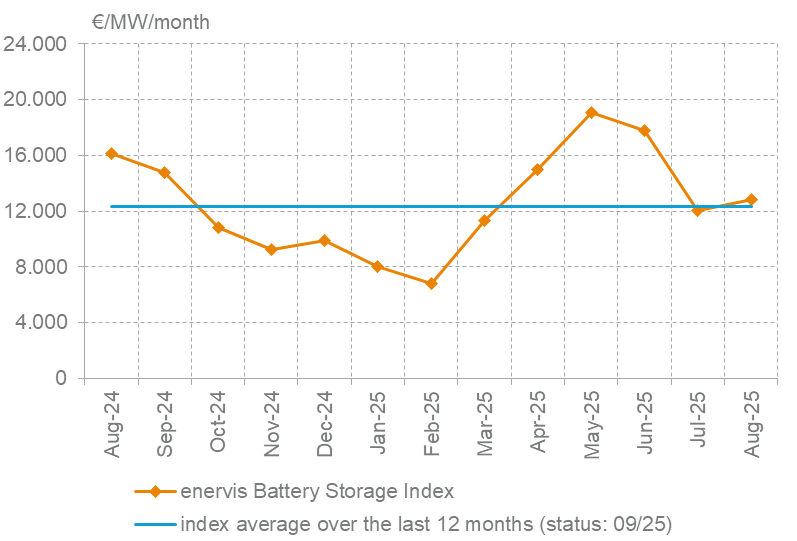
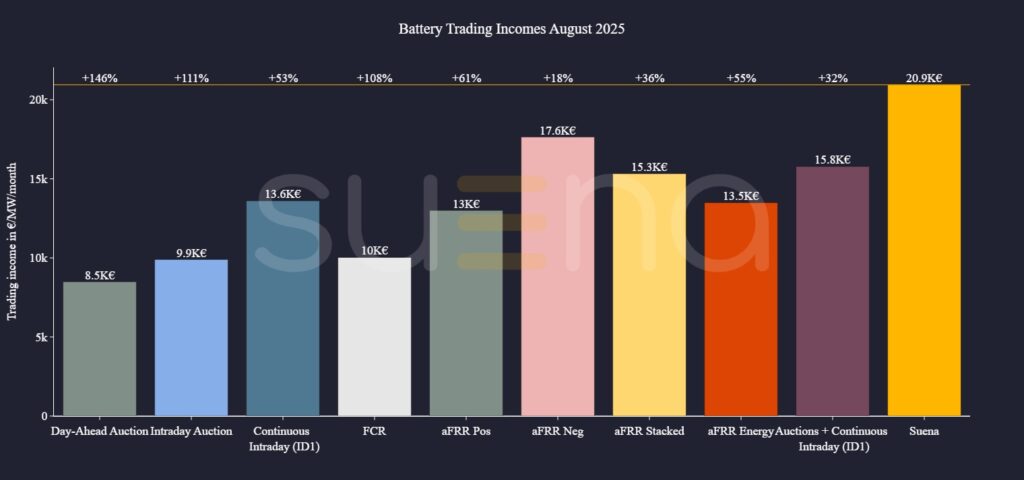
Between the peaks: Battery strategy in a moderate August
After a dip in July, battery storage revenues in Germany posted a modest recovery in August. Drawing on his company’s August revenue benchmark, Lennard Wilkening, CEO and co-founder of suena energy, explores what drove the recovery – and why adaptive, multi-market strategies continue to outperform static approaches even when market conditions are neither volatile nor flat, but somewhere in between.
Advertisement
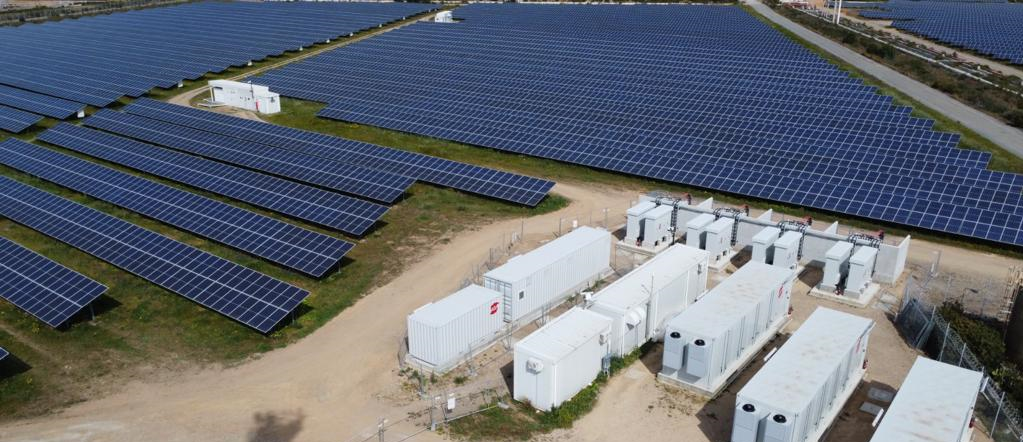
The Italian battery playbook 2025: How to make money with storage
Mauro Moroni offers a quick guide to revenue streams for Italian battery energy storage systems (BESS), including the MACSE procurement, the Testo Integrato del Dispacciamento Elettrico (TIDE), zonal spreads, and the capacity market (CM).

Securing Europe’s battery future: Why China’s LFP export ban must be a catalyst for action
China’s recent decision to restrict exports of lithium iron phosphate (LFP) and lithium manganese iron phosphate (LMFP) battery cathode active material technology is more than just a trade move, or only the latest play in an escalating geopolitical game of tariffs and counter-tariffs. It’s nothing less than a wake-up call to energy, mobility, and defence sectors across the globe. For too long, much of the world has operated under the assumption that access to critical battery materials and know-how would remain open and uninterrupted. That illusion is now being shattered, writes Behnam Hormozi.
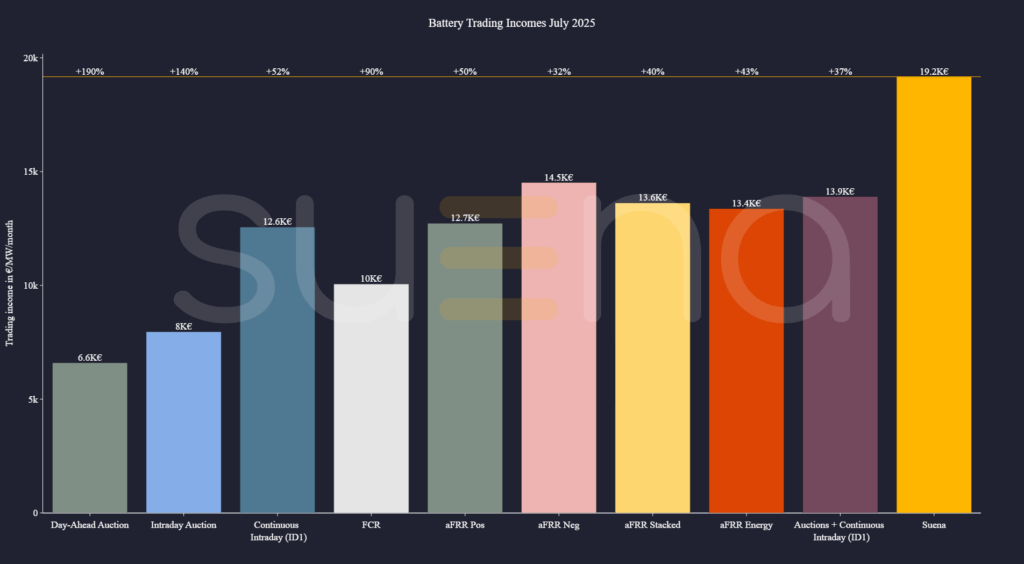
Profitability in quieter markets: what July revealed about battery strategy
After two record-breaking months for battery storage revenue in Germany, July brought a sharp shift: fewer price spikes, softer ancillary markets, and a steep drop in arbitrage opportunities. Drawing on Suena Energy’s latest monthly benchmark, the company's CEO and co-founder, Lennard Wilkening, unpacks the July revenue dip, what it signals about shifting market regimes, and why dynamic, multi-market optimization remains essential – especially when volatility fades.
Advertisement