R&D
Advertisement
Advertisement
Advertisement
Latest News
Advertisement
Titanium emerges as a vanadium alternative for redox flow batteries
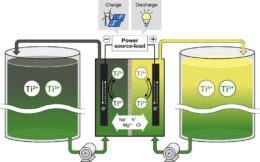
A Japanese-Chinese team developed a titanium molten salt redox-flow battery using abundant titanium ions and molten salt electrolytes to enable high-voltage, fast, and stable grid-scale energy storage. The system demonstrates high efficiency of over 97%, strong cycling stability, and improved cost and scalability compared to vanadium-based batteries, with further optimization underway.


Spain completes testing of Europe’s largest research vanadium BESS
Spain’s Fundación Ciudad de la Energía (Ciuden), a government energy research foundation, has completed operational testing of a 1 MW/8 MWh vanadium redox flow battery (VRFB) system at its Cubillos del Sil technology center, which it says is the largest vanadium flow battery in Europe dedicated to applied research.

New cost-saving copper welding technique for battery cells revealed by Fraunhofer
Resistance projection welding technique could unlock cost-effective copper interconnection potential. Described as a major opportunity for German battery manufacturers, the new approach to copper interconnections will now be used in commercial production.




Advertisement
All R&D news
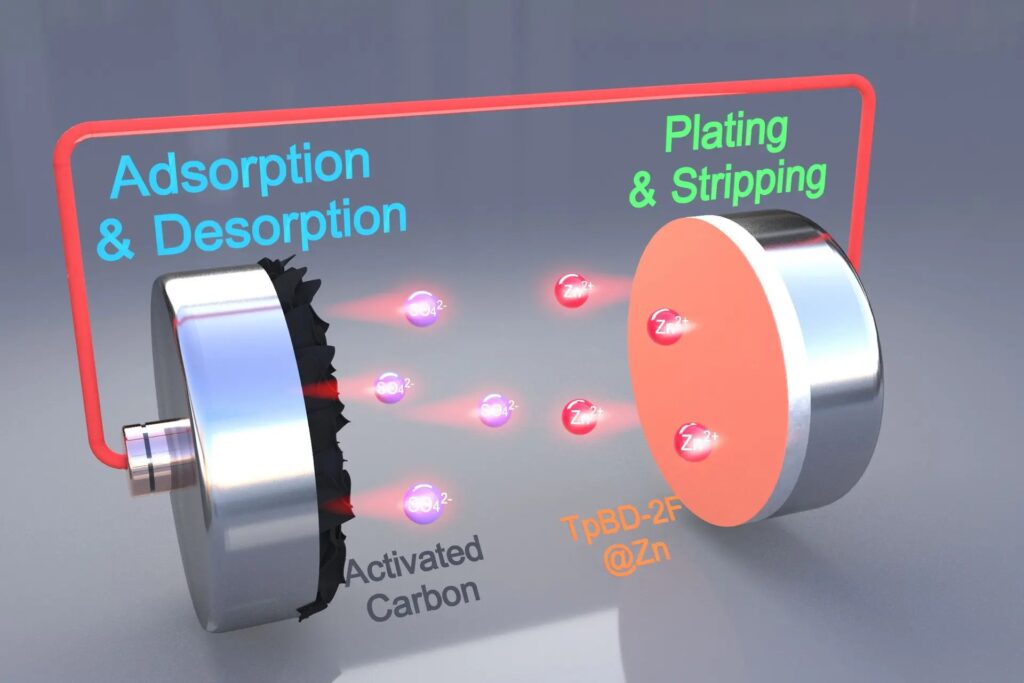
Researchers extend lifespan of aqueous zinc-ion batteries
The method developed at the Technical University of Munich is intended to make several hundred thousand charge and discharge cycles possible in the future instead of a few thousand. A special protective layer for the zinc anodes of the batteries is crucial.
AnteoTech’s secures funding for its silicon-dominant battery anode tech
Queensland-based energy tech company AnteoTech has secured almost AU$4 million in funding from the Australian Renewable Energy Agency to help fast-track the development of its silicon-dominant lithium-ion battery anode technology.

Advertisement
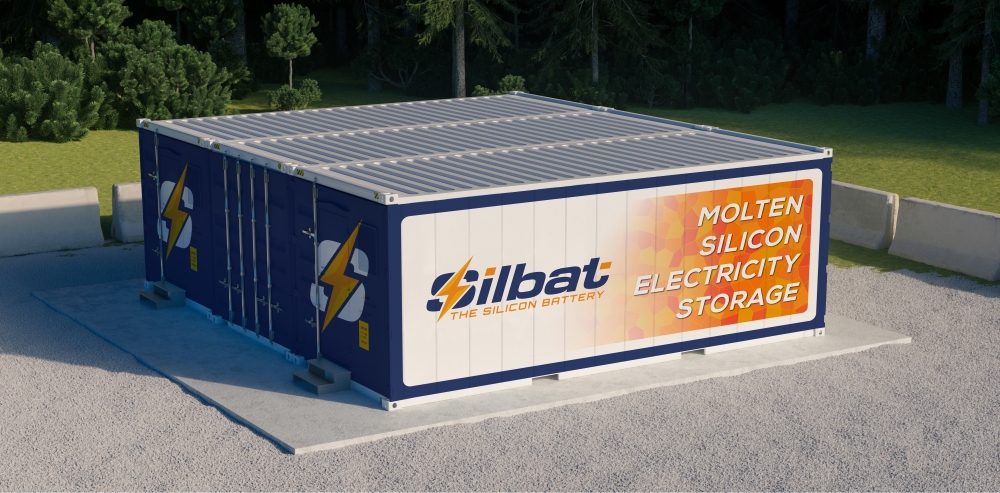
Spain’s Silbat set to roll out silicon batteries by 2028
The startup is developing long-duration energy storage (LDES) technology that, housed in a 40-foot container, would have an estimated power of 100 kW and a capacity of about 100 hours with a useful life of more than 30 years and a levelized cost of energy (LCOE) of less than $0.05/kWh in its early stages of industrialization.
Advertisement
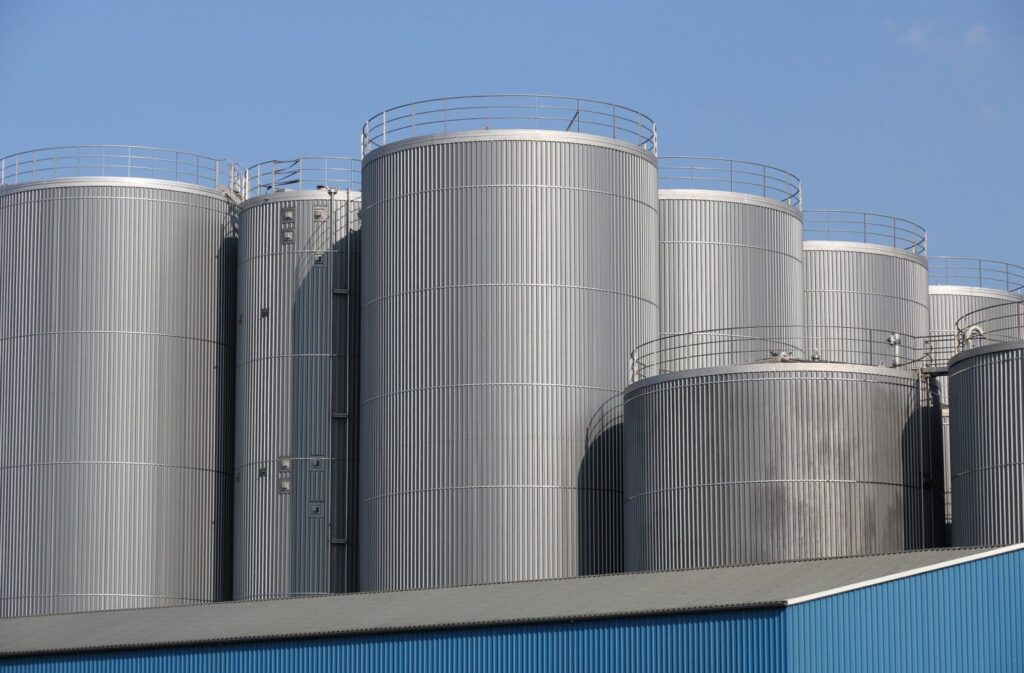

Assessing economic feasibility of liquid air energy storage
Researchers have conducted a techno-economic analysis to investigate the feasibility of a 10 MW-80 MWh liquid air energy storage system in the Chinese electricity market. Their assessment showed that a significant level of price volatility is currently a crucial factor for the commercial maturity of this storage technology.
Advertisement