R&D
Advertisement
Advertisement
Advertisement
Latest News
Advertisement
Titanium emerges as a vanadium alternative for redox flow batteries
A Japanese-Chinese team developed a titanium molten salt redox-flow battery using abundant titanium ions and molten salt electrolytes to enable high-voltage, fast, and stable grid-scale energy storage. The system demonstrates high efficiency of over 97%, strong cycling stability, and improved cost and scalability compared to vanadium-based batteries, with further optimization underway.


Spain completes testing of Europe’s largest research vanadium BESS
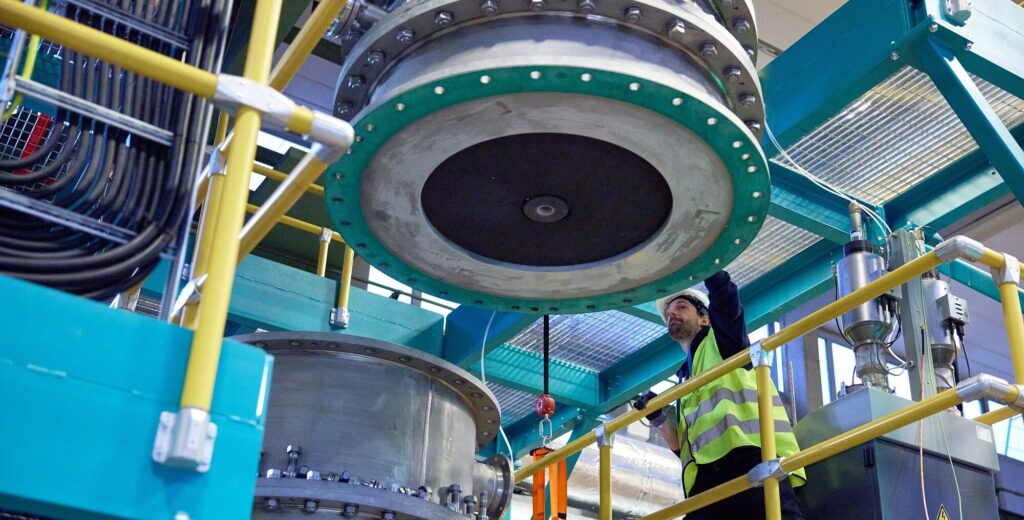
Spain’s Fundación Ciudad de la Energía (Ciuden), a government energy research foundation, has completed operational testing of a 1 MW/8 MWh vanadium redox flow battery (VRFB) system at its Cubillos del Sil technology center, which it says is the largest vanadium flow battery in Europe dedicated to applied research.
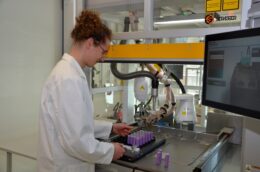
New cost-saving copper welding technique for battery cells revealed by Fraunhofer
Resistance projection welding technique could unlock cost-effective copper interconnection potential. Described as a major opportunity for German battery manufacturers, the new approach to copper interconnections will now be used in commercial production.




Advertisement
All R&D news
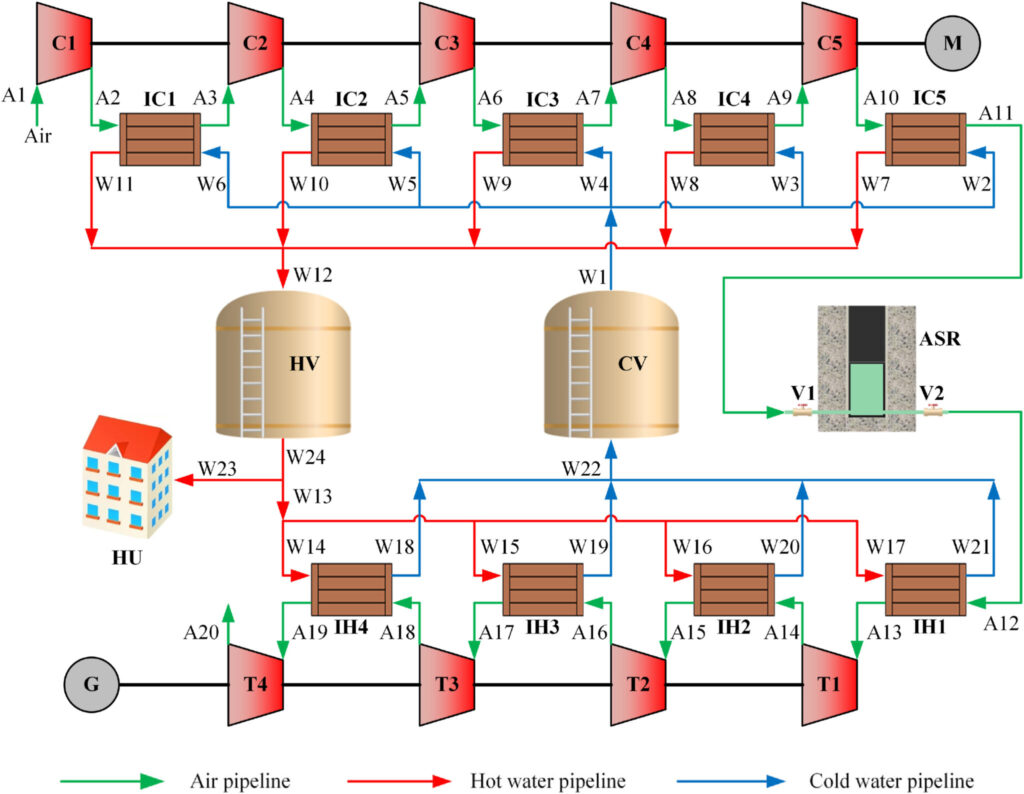
Compressed air energy storage enhanced by gravity
Scientists in China have simulated an advanced adiabatic compressed air energy storage, to which they added an elastic airbag with a heavy load situated above it. The energy, exergy, and economic analysis of the system showed that, due to the constant weight of the heavy load, the airbag’s pressure level remains unaltered during operation.
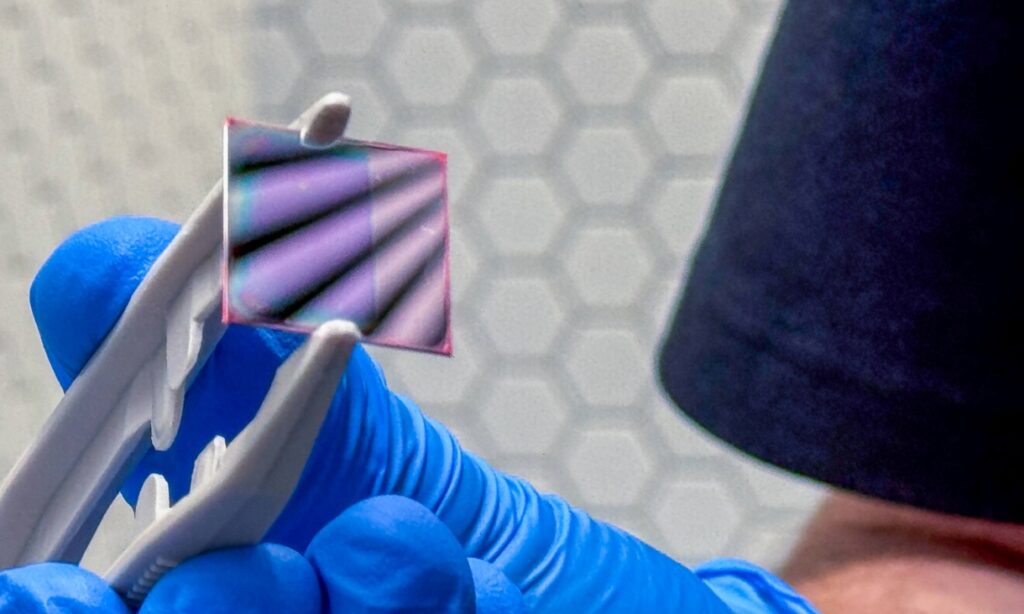
Researchers discover method to significantly extend quantum battery lifespan
Researchers discover method to significantly extend quantum battery lifespan
Researchers at the Royal Melbourne Institute of Technology (RMIT University) and Australia’s Commonwealth Scientific and Industrial Research Organisation (CSIRO) have developed a way to extend the lifetime of Dicke quantum batteries by up to 1,000 times, while maintaining their fast-charging properties enabled by superradiance.
Advertisement
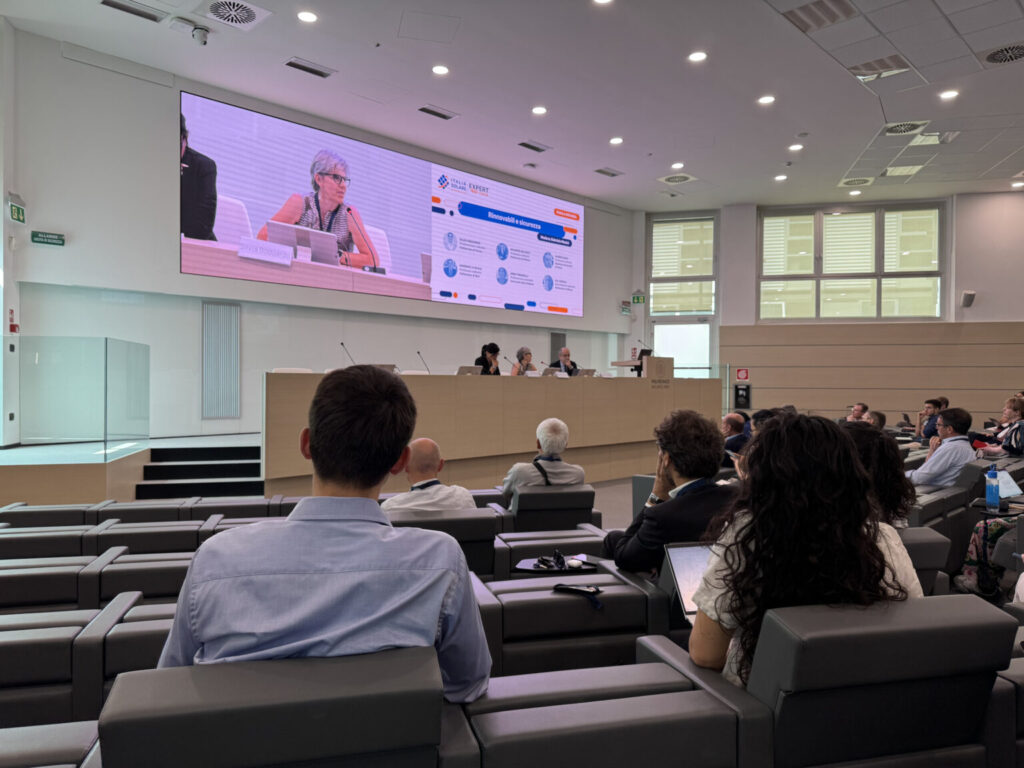

“Grid-forming technology is no longer experimental – it’s here and working”
In grids increasingly dominated by renewables, grid-forming technology is emerging as critical tool for maintaining stability and ensuring reliable power system operation. In this interview with ESS News, Rui Sun, Sungrow’s Deputy General Manager-Grid Technology Center, explains how grid-forming works, why it matters, and where the technology is already proving its value. He elaborates on technical challenges, regulatory gaps, and why grid-forming could soon become the new industry standard.
Jul 07, 2025

US DOE awards $14m for unique energy storage systems for critical facilities and infrastructure
The US Department of Energy's (DoE) Critical Facility Energy Resilience (CiFER) fund will back an organic quinone flow battery and an iron and sodium long duration energy storage (LDES) system in California, plus a lithium battery with a novel cathode material in New York state.
Advertisement
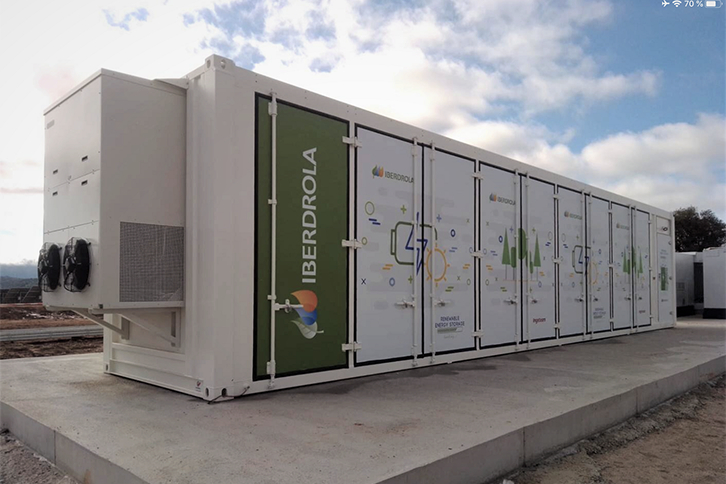
Batteries with 200 Wh storage per kW of solar capacity could mitigate curtailment in Spain
Researchers have studied the energy and economic implications of the curtailment of solar energy in Spain over the past two years and concluded batteries can mitigate the problem. The academics calculated the impact of curtailment on levelized cost of energy (LCOE) and net present value (NPV).
Advertisement