R&D
Advertisement
Advertisement
Advertisement
Latest News
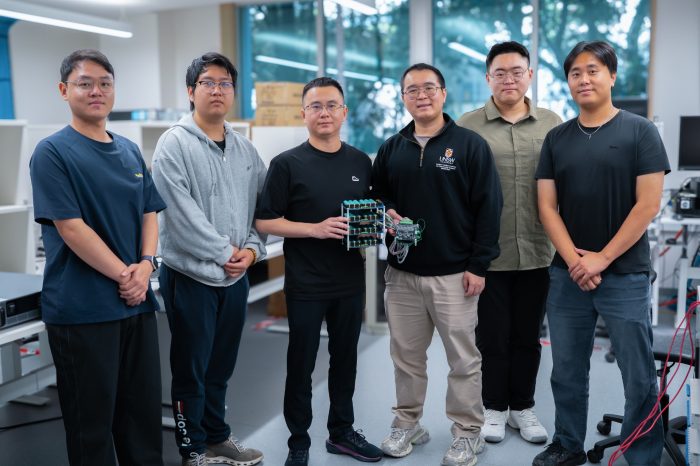
UNSW develops three-minute battery health test in Australia
Researchers at the University of New South Wales (UNSW) have developed a prototype that uses electrical pulses and statistical models to assess lithium-ion battery health in under three minutes per cell, with a potential role in sorting retired batteries for reuse or recycling.
Nov 13, 2026
Advertisement

Sizable Energy plans offshore gravity storage projects in Italy
Italian company Sizable Energy is developing a long-duration offshore energy storage system that uses deep-sea brine reservoirs to store electricity, with its first commercial projects planned for Calabria and Sicily and a demonstrator linked to a data center in Naples scheduled for 2027.
Korean researchers build all-solid battery prototype with 235.13 Wh/L energy density
Researchers at South Korea's Dongguk University have developed an anode-free all-solid-state thin-film battery featuring an ultrathin tin/carbon interlayer to improve lithium deposition and cycling stability. The 2.77-micrometer-thick prototype achieved a volumetric energy density of 235.13 Wh/L after 100 cycles, potentially paving the way for more reliable solid-state batteries.
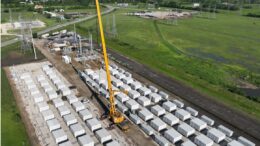
Lithium-ion bankability may be holding back long-duration storage
Financing and market structures favor established lithium-ion battery energy storage systems (BESS), potentially limiting investment in alternative technologies better suited to storing electricity for eight hours or longer, according to analysts discussing US procurement and grid planning.

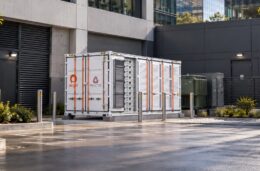
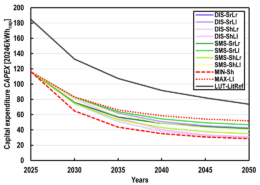
Stationary, moving, flexible: Batteries are the low-cost backbone of the future energy system
While it is known that batteries are indispensable for the future energy system dominated by solar PV, they are still seen as a bottleneck technology mostly related to raw material supply. Sodium-ion batteries can resolve this issue. Batteries are more than a stationary storage technology, also with bright prospects for vehicle-to-grid (V2G) and smart charging of electric vehicles within a broad flexibility technology portfolio.

Advertisement
All R&D news
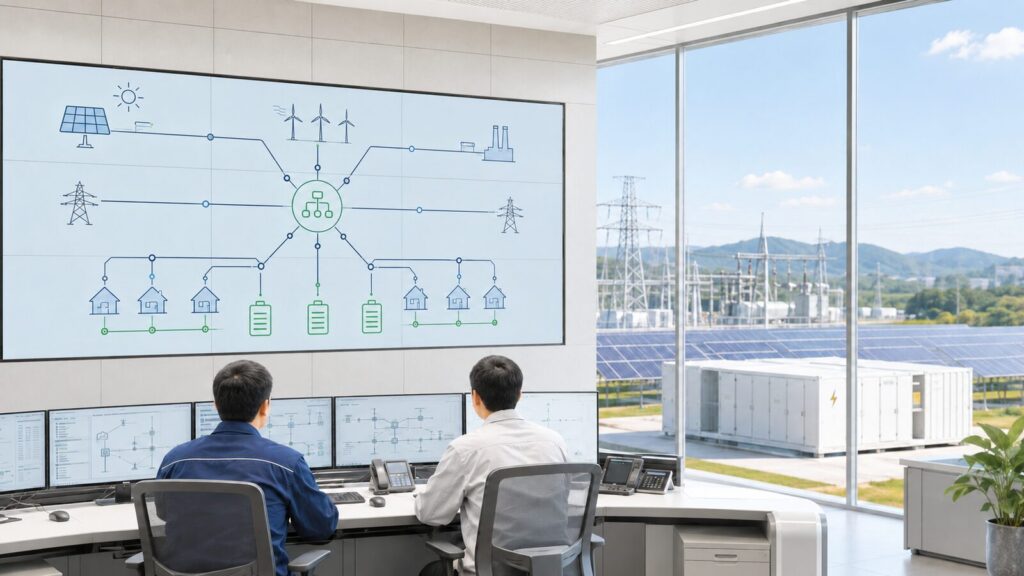
Stackelberg game framework optimizes distributed energy storage allocation
Researchers have developed a game-theory-based method for optimizing the location, capacity and operation of distributed energy storage. Simulations on a 33-node distribution network reportedly reduced load fluctuations from 25.98% to 14.25% while requiring around 85% less storage capacity than conventional methods.
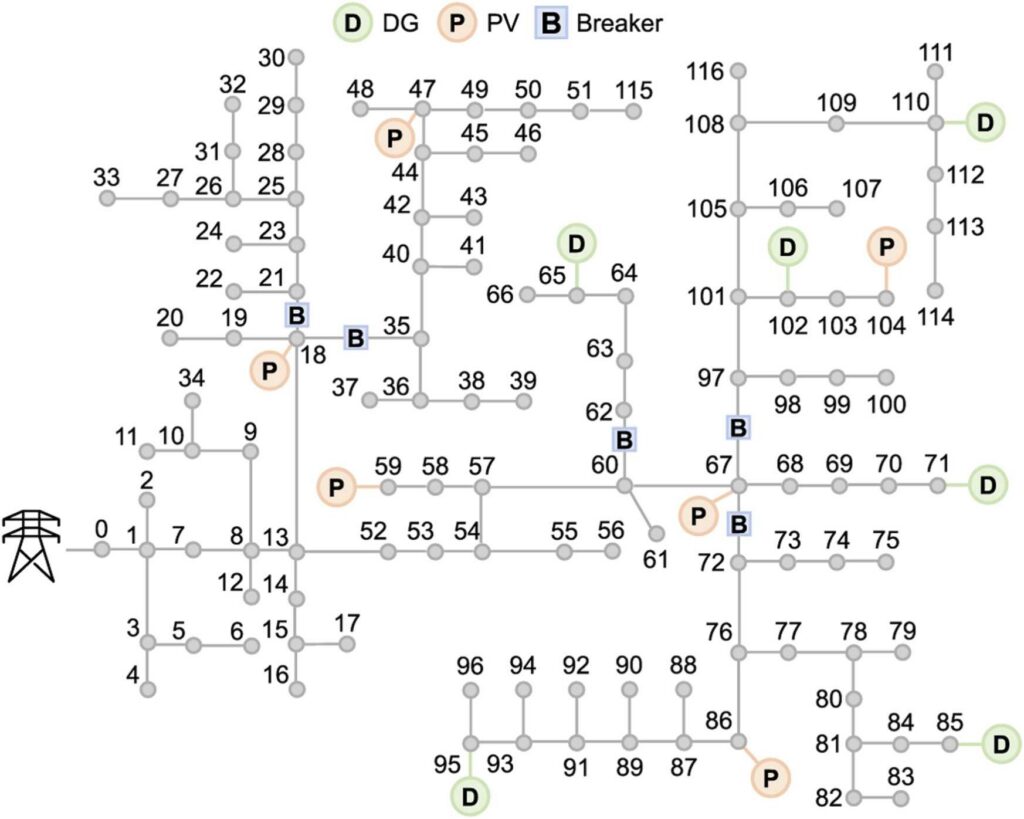
New framework optimizes energy storage for worst-case grid outages
Researchers have developed a framework that simultaneously determines the optimal siting and sizing of energy storage while identifying worst-case grid component failures. They said the framework analyzed power networks with up to 116 buses in less than 100 seconds.
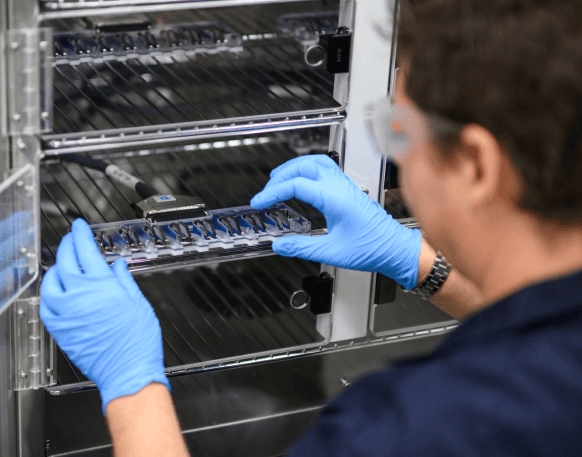
JT Solar teams with UNSW to launch battery testing lab
Researchers from the University of New South Wales and clean tech company JT Solar Technologies have established a facility to test the real-world performance of battery energy storage systems as Australia’s home battery installations numbers continue to climb.
Advertisement

AI framework identifies five novel oxide candidates for battery hosts
US researchers used generative artificial intelligence to screen thousands of candidate crystal structures for multivalent-ion battery electrodes, then built a separate AI system to propose lab synthesis routes for the untested materials.
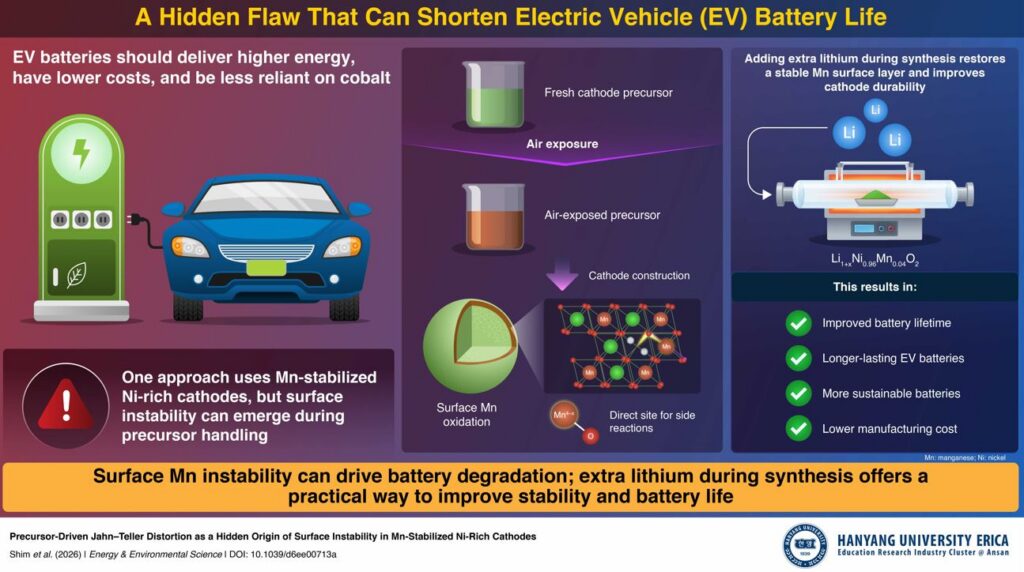
Study links air exposure during battery manufacturing to faster degradation
South Korean researchers say a routine manufacturing step – leaving battery cathode materials exposed to air – can nearly double the rate at which high-nickel batteries lose capacity over time, but a simple change in chemical composition largely reverses the effect.
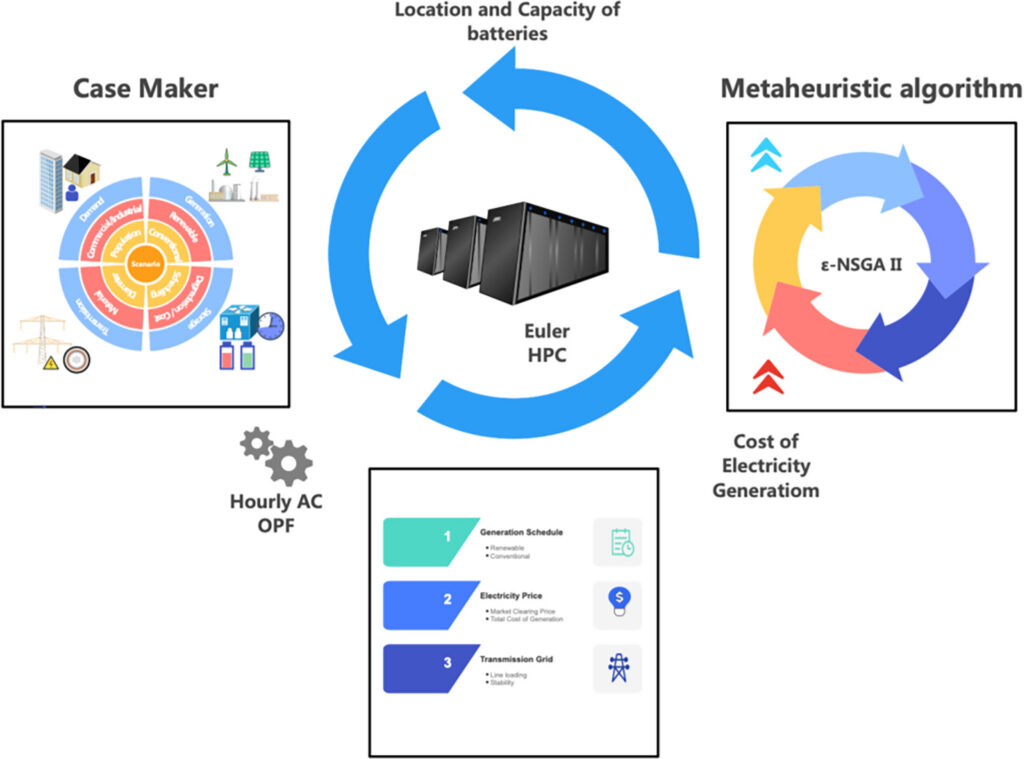
Researchers develop framework for national battery storage planning
Researchers have developed an optimization framework that identifies the optimal locations and capacities of grid-scale battery storage across national transmission networks. Demonstrated on the Czech Republic's projected 2030 power system, the approach reduced electricity generation costs by up to 30%.
Advertisement
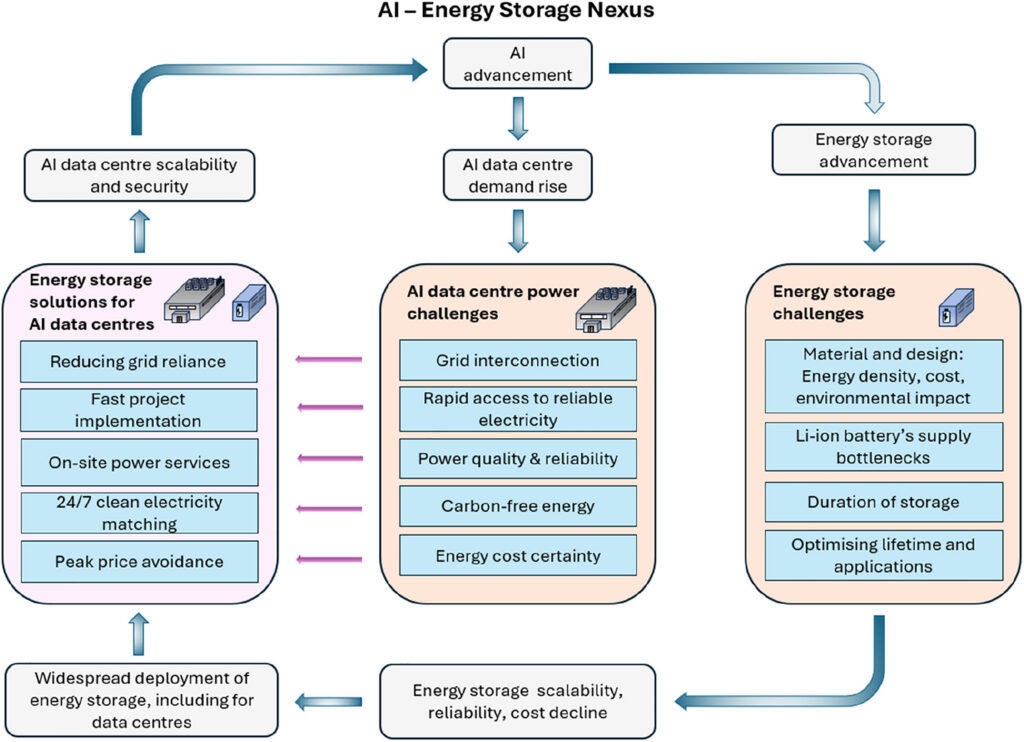
Researchers outline AI-energy storage nexus for clean energy transition
Researchers say AI and energy storage can accelerate each other’s deployment, with AI improving storage innovation and batteries enabling more flexible, renewable-powered data centers. According to one researcher, AI growth is creating opportunities to put clean energy transitions on track.
Advertisement